
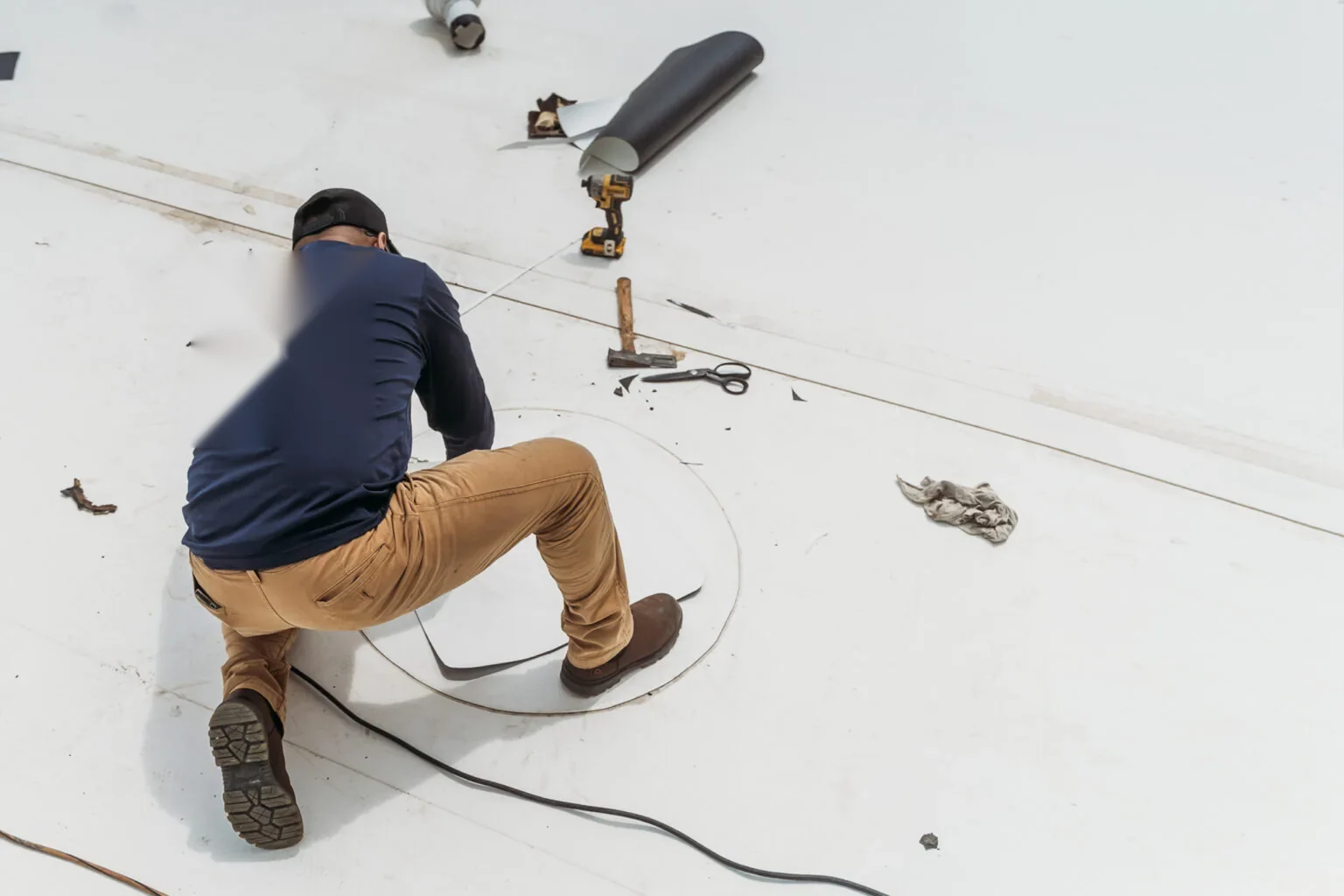
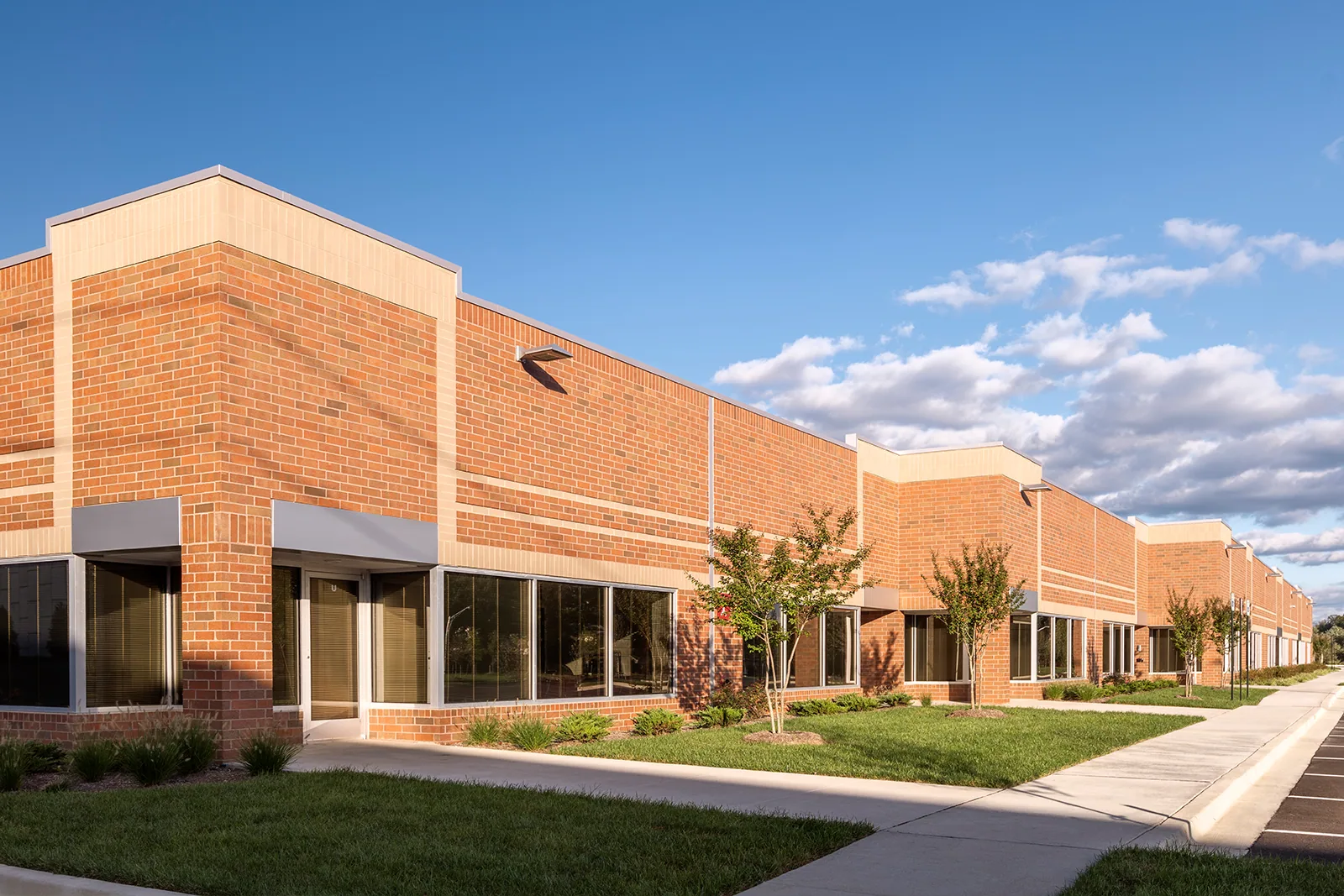
Commercial Roofing in Light Industrial Area, Signal Hill, CA
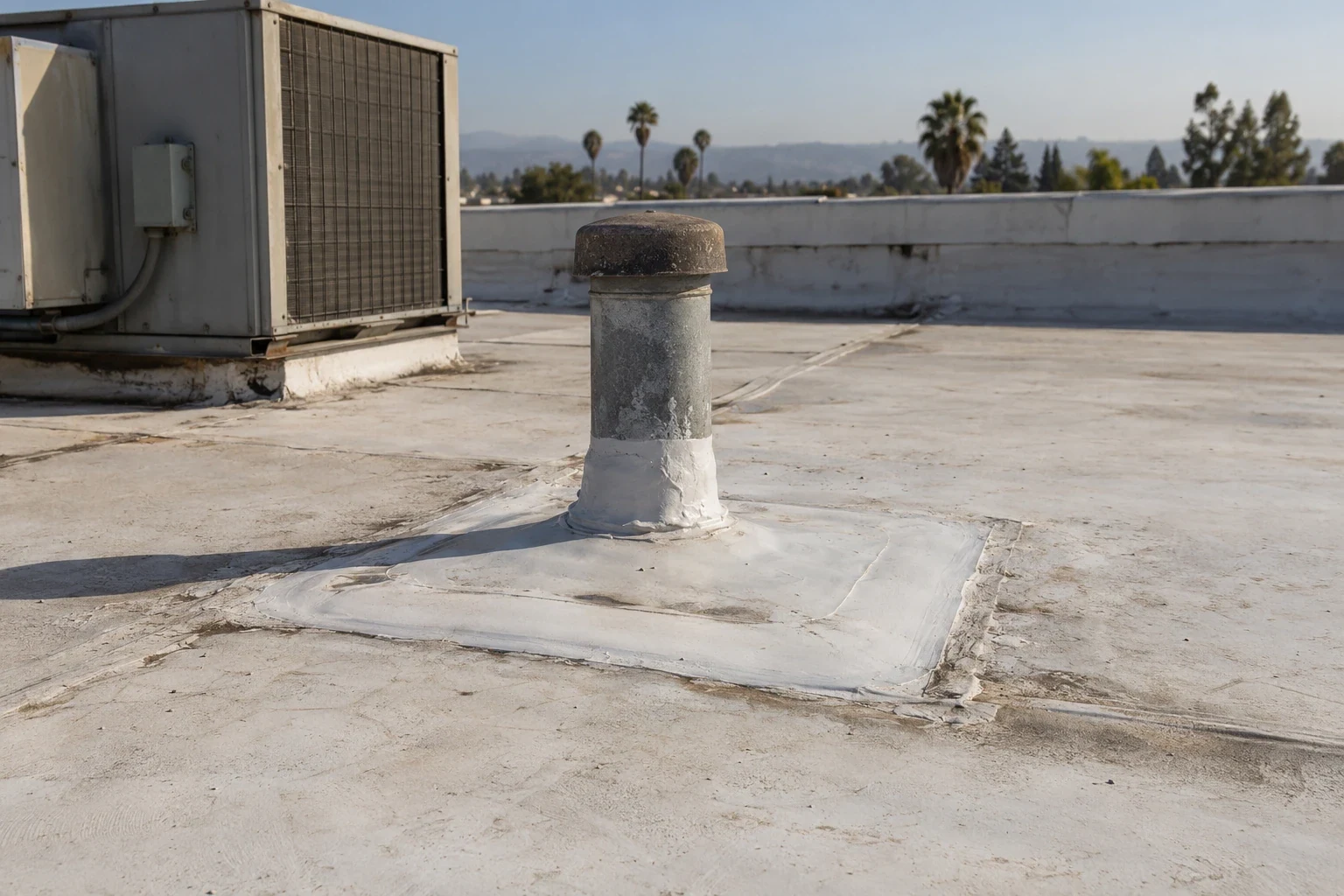
Moisture beside a roof penetration over light-industrial equipment needs a controlled inspection before the surrounding assembly is opened. We identify the interior exposure, protect the affected operating area, and examine the penetration and nearby drainage. Commercial Roofers Huntington Beach repairs and renews commercial roofs in Signal Hill's Light Industrial Area. The immediate scope follows the defect, the installed material, and the access window available to reach it safely.
Signal Hill's light-industrial designation accommodates research, assembly, offices, and light manufacturing, with limited finished-goods warehousing and distribution. These uses can place different demands on the space beneath the repair. We confirm the actual operation with the site contact. From Huntington Beach, CA, a roof visit can establish a local correction or the additional testing needed before a larger roof decision is made.
Is roof traffic damaging the equipment route?
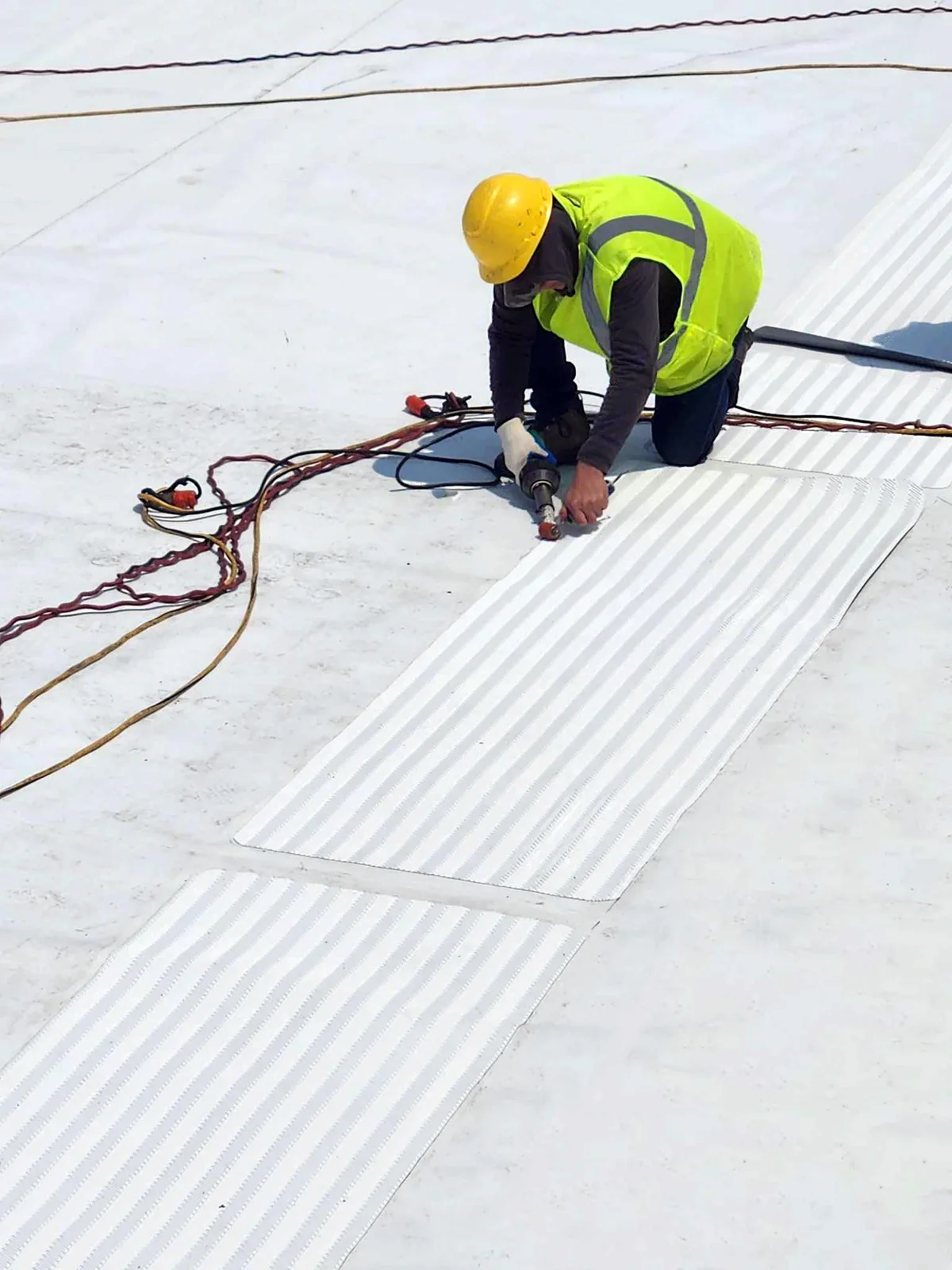
A wear mark beside an equipment support can show where service traffic or a displaced pad contacts the membrane. We inspect the surrounding surface for abrasion, punctures, and movement at the support. The field check identifies whether the repair can remain local or needs broader receiver preparation. A compatible walking surface may help where service travel is concentrated, provided it does not block drainage or cover a detail that still needs attention.
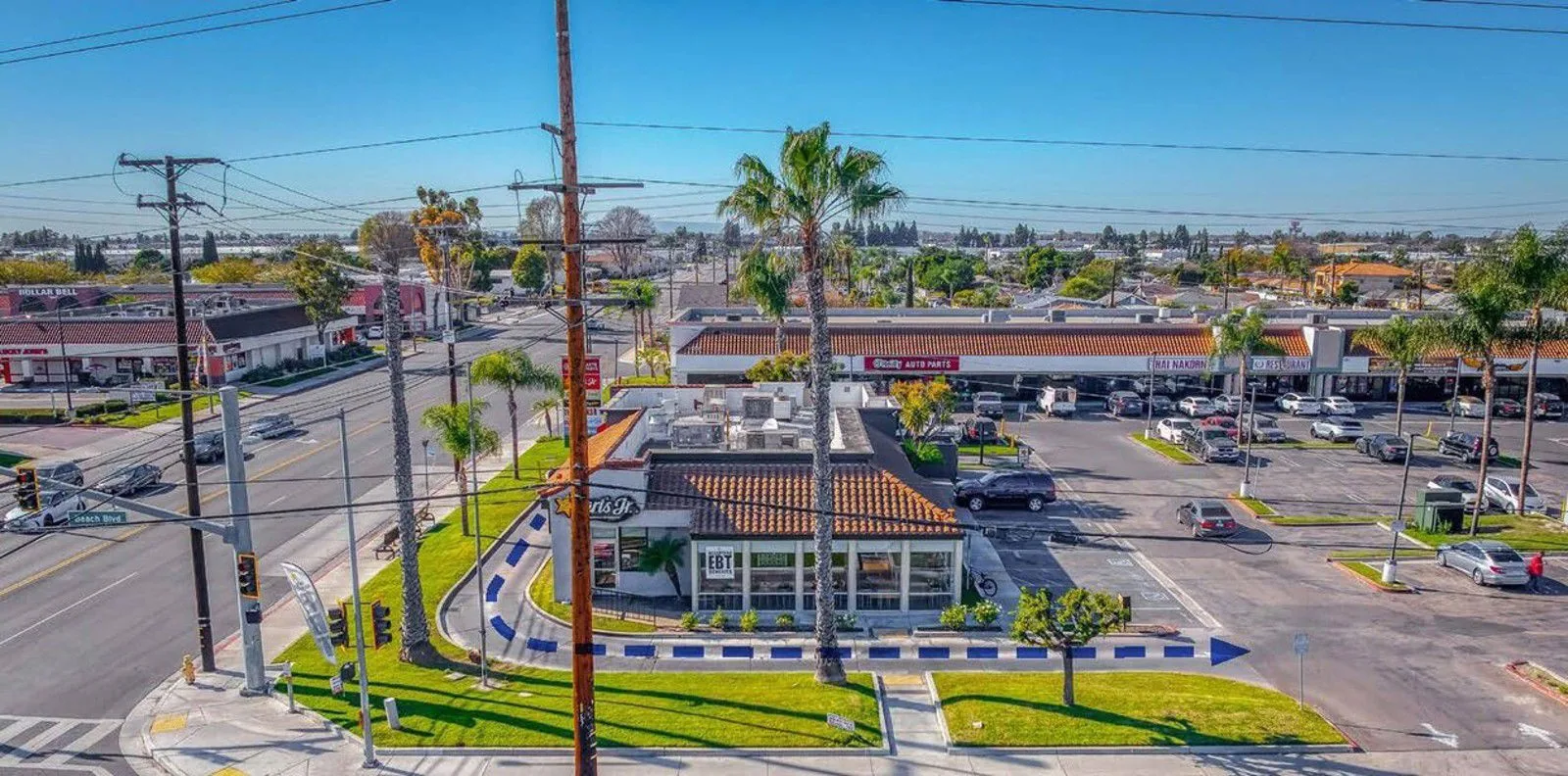
Signal Hill's planning description includes industrial-park buildings with setbacks and defined parking areas. On the property, we establish which staging position is available without assuming parking can be occupied throughout the job. The site contact identifies delivery hours and safe pedestrian separation. Roof work over flexible industrial space should account for both the office entrance and the operating area served by rooftop equipment.
What changes after insulation is found wet?
A seam repair can become a removal project when moisture has entered the layers below. We inspect the assembly and recommend confirmation where the moisture boundary remains uncertain. Wet insulation can lose useful thermal performance and leave the receiver unsuitable for a new surface connection. We set the repair extent to reach sound material and show how the replacement insulation and membrane will meet the retained assembly.
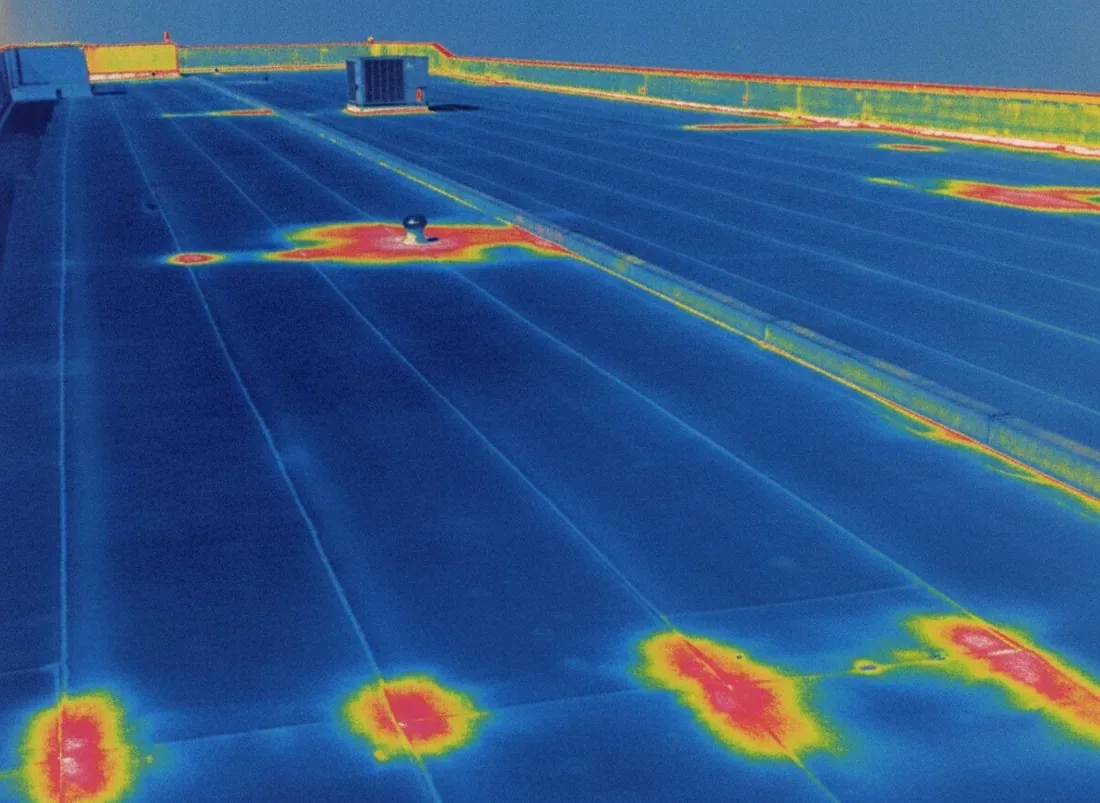
For a sensitive operating area, confirmation openings are placed with the interior consequence in mind. The roof must be secured after examination, and contents below need protection before removal. An infrared moisture assessment can help direct the field checks under suitable conditions. The final recommendation uses confirmed conditions to distinguish retained dry layers from removal, rather than treating every screened pattern as the same repair.
Which membrane detail will close the opening?
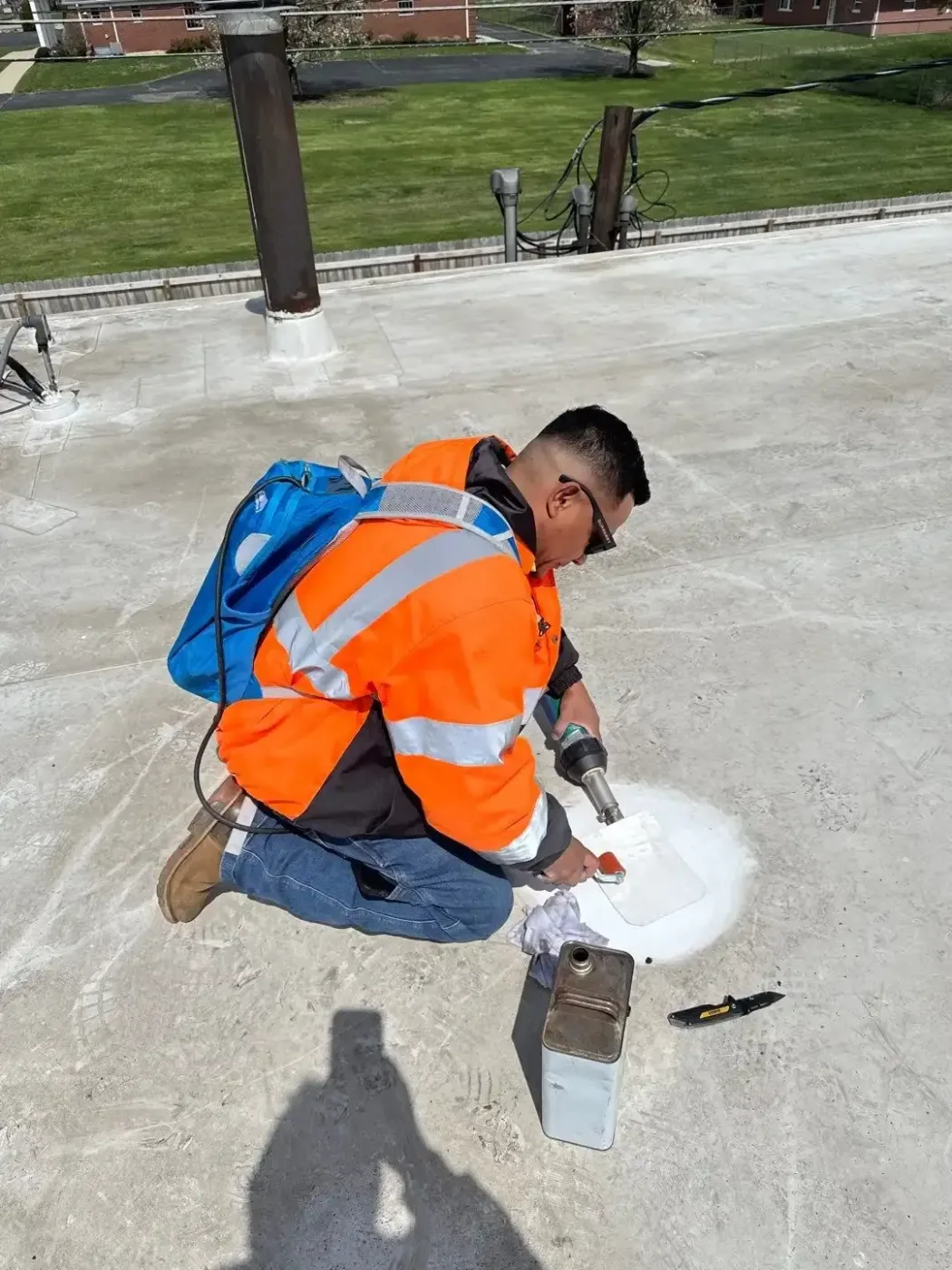
A welded sheet needs a clean, compatible receiver before a new patch can form a continuous connection. We establish whether the existing membrane is thermoplastic, rubber, bituminous, or another assembly and examine previous repair materials. A patch that adheres to contamination or an incompatible coating can fail at its edge. Preparation may include removing those layers inside the defined work area before the new detail is installed.
Equipment curb corners and pipe penetrations require their own reinforcing details, with terminations that accommodate the installed geometry. We inspect the upper connection as well as the visible field membrane. Correcting a membrane puncture can remain a contained task when surrounding layers are sound. If the support or equipment movement created the opening, its correction is coordinated before final roofing work so the repaired surface is not exposed to the same friction.
Will a repair edge interfere with drainage?
A raised strip of old repair material can divert runoff toward a curb or trap it beside a seam. We follow the drain path across the repair area and inspect the receiving outlet. A local patch should finish without creating another obstruction. Where the underlying roof plane holds water after an outlet is cleared, we investigate slope and layer condition before recommending a larger correction.
At Newport Beach Harbor, normal precipitation is concentrated in the cooler season, with very little in summer. That nearby coastal reference supports drainage preparation ahead of rain, while conditions at the Signal Hill building set installation timing. A maintenance inspection of outlets and transitions can also follow changes to rooftop equipment. Debris, moved support pads, and new conduit paths deserve a check because they can alter an otherwise open water route.
How are offices and finished-goods areas protected separately?
An office section may tolerate roof noise differently from an assembly room, and stored finished goods may need protection from overhead dust. We identify those consequences directly with the manager. The work plan states which space is affected, how material enters and leaves, and whether any equipment must be shut down. A temporary closure should correspond to the actual hazard rather than extend across the property without explanation.
Related work in Signal Hill's central commercial-industrial district can have a retail interface, while the broader Signal Hill roofing area includes additional commercial and industrial uses. We retain separate condition maps for each property under one manager. Roof height, equipment connections, wet removal, and access restrictions drive cost and duration. Grouping visits can help coordination, but each building keeps its own dry-in boundary and completion check.
What makes continued repair a reasonable choice?
A dry, securely attached roof with isolated defects can remain a repair candidate. We compare the current failures with earlier work and examine whether the same connection is moving or whether deterioration is spreading. A suitable coating receiver needs corrected defects and adhesion testing. Recover needs review of retained layers, drainage, and applicable assembly limits. Replacement may be appropriate when removal is necessary to correct wet material or unreliable attachment.
The owner receives the tasks that distinguish these choices, including insulation removal, curb rebuilding, outlet correction, and trade coordination. For larger alterations, applicable energy and permit decisions need resolution before material ordering. Work is divided into sections that can be secured within the available weather window. A change in wind or surface moisture can alter that sequence, so opened areas are kept manageable.
Completion photos identify repaired details in their roof positions, and any remaining equipment task receives a follow-up action. A return check after service traffic resumes can inspect support contact and patch edges. Active water entry can receive response at any hour, including weekends and holidays; temporary protection is then replaced by the defined permanent correction. Keep later interior observations with the same repair position so the manager has a useful comparison.
Commercial Roofing Questions
Can a roof repair be scheduled between equipment service visits?
The equipment work sequence determines which connections can be completed first. We coordinate any moving supports or curb changes before final membrane installation, then inspect the area after equipment is returned. A short service gap can support a contained repair when safe access and preparation conditions are available.
Should finished goods be moved before a small roof opening?
Contents below the opening may need relocation or protection even when exterior removal is limited. We identify the affected area with the manager and describe the overhead exposure. That boundary should be established before testing or wet-layer removal begins, with safe routes preserved outside it.
How do worn walking routes affect repair choices?
Wear location helps identify repeated contact with the roof. We examine membrane condition and support movement, repair the damaged surface, and consider compatible protection where service travel is concentrated. The selected surface should preserve drain flow and leave equipment details accessible for future inspection.
Could a coating avoid removing saturated insulation?
Saturated layers need their own correction before restoration is considered. We confirm moisture extent and define removal to sound construction. Coating eligibility then depends on the remaining receiver, adhesion, and repaired details, so the finished surface does not conceal the same unresolved wet assembly.
Proudly Serving Huntington Beach and Nearby Cities
Commercial Roofers Huntington Beach
Huntington Beach, Westminster, Seal Beach, Fountain Valley,
Garden Grove, Newport Beach and nearby Orange County cities