
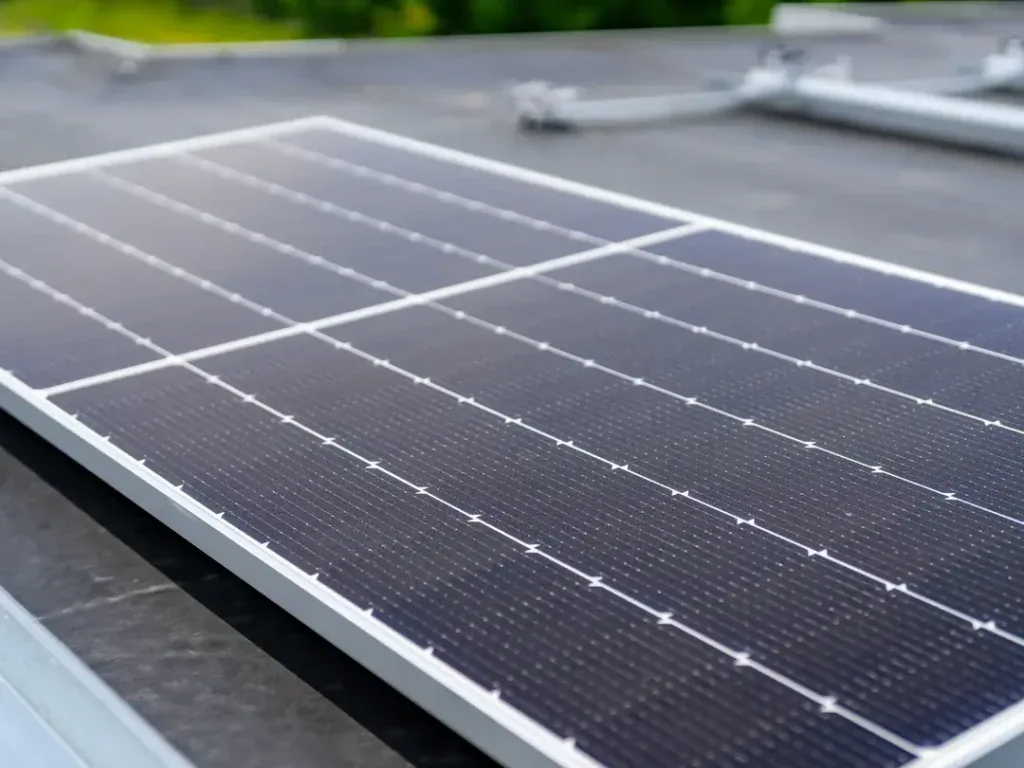
Solar-Ready Commercial Roofing in Huntington Beach, CA
A solar proposal changes the roof plan before a panel reaches the building. We inspect the existing membrane, seams, insulation, drains, edges, and equipment clearances, then identify roof work that should be completed before the array is installed. The first decision is whether the assembly can remain in service through the solar project's expected planning horizon. We record the condition and flag structural capacity, electrical routing, and system design questions for the appropriate project professionals.
The Gothard Street employment area in Huntington Beach, CA, includes manufacturing and warehouse activity, while the Northwest Industrial Subarea contains industrial, office, and research-technology uses. These facts describe the local commercial setting, not the loading capacity of a specific roof. Nearby Newport Harbor climate normals show a marine-coast baseline with winter rain and very little summer precipitation. We use those patterns to plan roofing work and dry-in, while the project documents determine the solar layout and attachment design.
Will the roof remain serviceable through the project?
Solar equipment can make future membrane repairs more difficult, so the roof condition needs a clear baseline before installation. We inspect surface wear, seams, past patches, wet insulation, flashings, drainage, and access routes. If the assembly has active leaks or unresolved moisture, the owner can decide whether to repair, restore, or replace affected areas before the array limits access. A pre-installation roof inspection records these conditions and identifies what requires testing.
Infrared patterns can guide moisture testing, but they are not a substitute for confirming a questionable assembly. We mark suspected areas, establish test points, and document material condition before defining the repair boundary. The report separates roof observations from engineering or solar-design determinations. A roof due-diligence survey can preserve that baseline for owner approval, contractor coordination, and later warranty records.
Where will the array, pathways, and roof details meet?
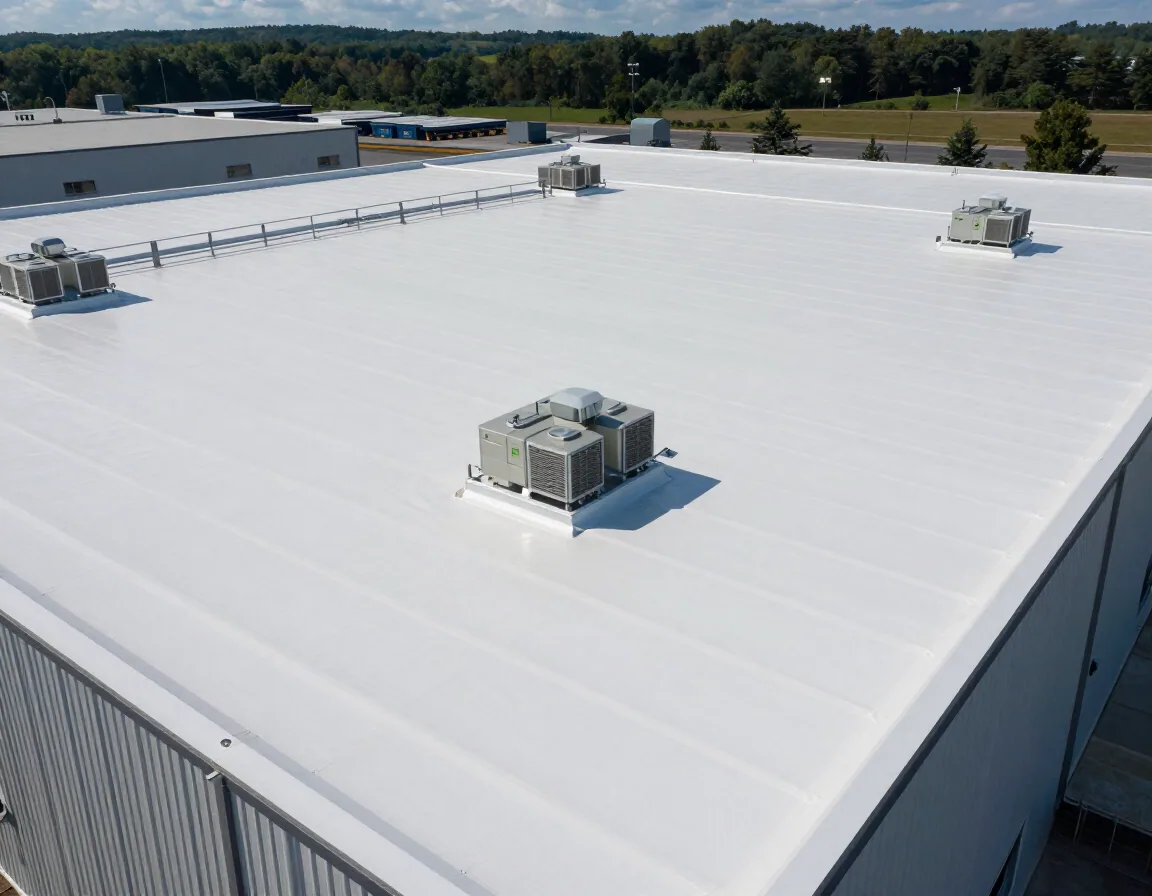
The solar layout should be compared with drains, scuppers, rooftop units, skylights, access paths, and roof edges before work is sequenced. We note locations where panel rows or walkways could obstruct maintenance or water flow, then coordinate the roof plan with the solar designer. We do not determine the array's structural capacity. A qualified design professional reviews loads, attachments, and code requirements using the building documents and applicable site conditions.
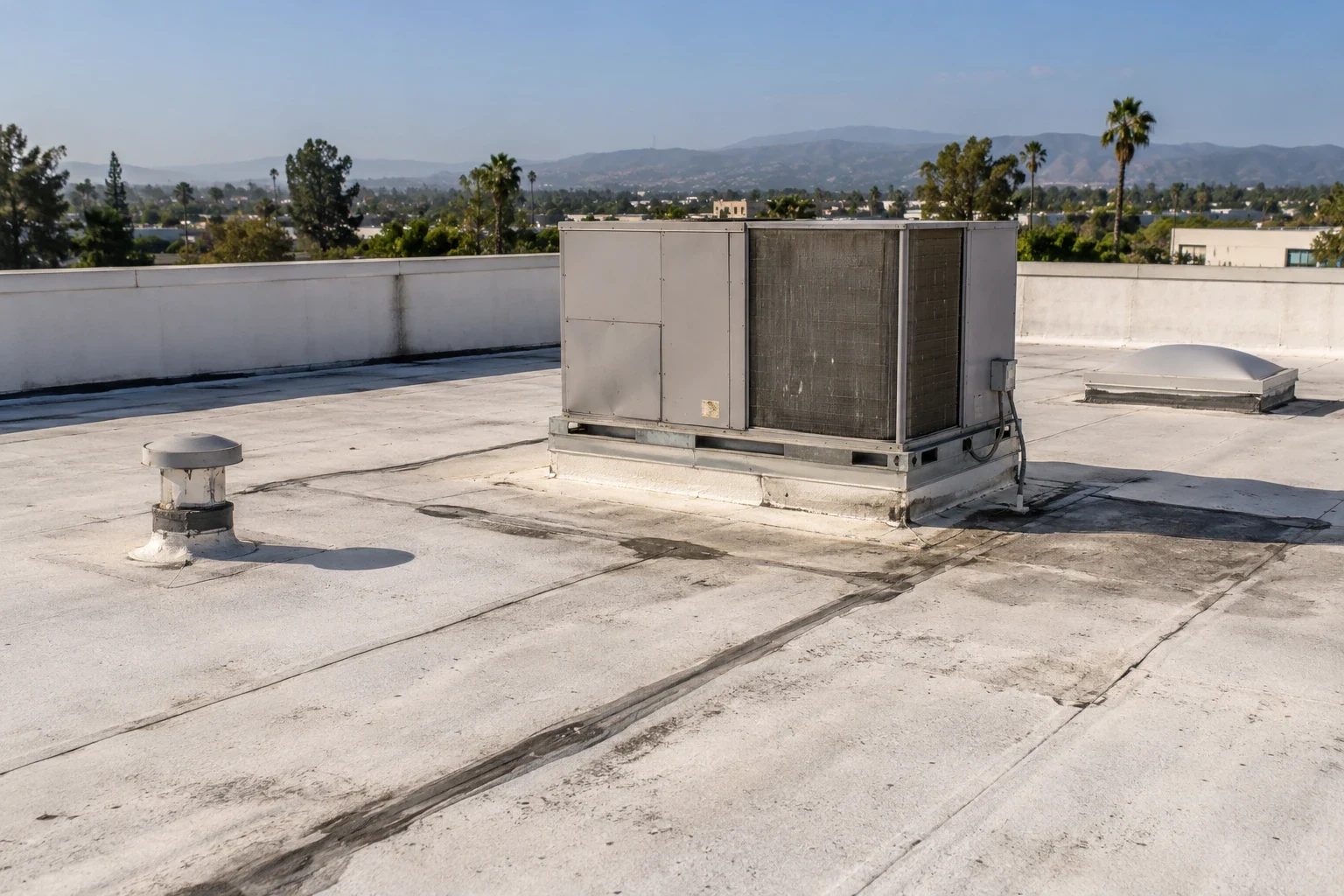
Every planned penetration needs a detail that can be inspected and maintained after installation. We identify conduit routes and attachment points that cross the membrane, then confirm who supplies each flashing and who is responsible for the final watertight tie-in. A curb and support review can help coordinate nearby equipment; the approved roof assembly and solar details govern the materials used at each interface.
How should roofing materials and warranties be coordinated?
Attachment methods differ. A mechanically attached roof, adhered membrane, and ballasted array each place different demands on the assembly and future access. We review the specified system, manufacturer instructions, and roof warranty documents before agreeing on the roofing work. For a TPO assembly, patches and penetrations need compatible materials and installation details. A warranty document may assign conditions for equipment attachment or repairs, so the owner should identify the applicable requirements before mobilization.
If the array will be placed over an older roof, a local patch may not be the best preparation. We compare the roof's remaining condition with the access expected for future service, the number of penetrations, and the planned location of walk pads. The scope should state what roof work happens first, what the solar contractor completes, and who inspects each interface before it is covered.
Walk pads or designated service lanes can protect the membrane from repeated foot traffic, but their locations should match the final equipment plan and maintenance routes. We note whether technicians can reach drains, disconnects, and rooftop units without crossing fragile details. If an array layout changes after the roofing scope is priced, we recheck the path and update the work record before installing the affected flashing or protection layer.
How should the work sequence protect the building?
Newport Harbor normals show precipitation concentrated in winter, with summer averages near zero. That pattern helps frame a scheduling conversation, but the current forecast and exposed surface govern daily work. We plan roofing repairs so each opened area has a defined dry-in point. Santa Ana events can bring warm, dry offshore winds and affect coastal conditions, so exposed materials and temporary protection are reviewed against the actual weather window.
In the 760-acre Northwest Industrial Subarea, large offices, business parks, commercial pads, and industrial-spec buildings make staging and operations site-specific. We confirm roof access, lift placement, deliveries, interior protection, and shutdown windows with the site contact. A phased occupied-building plan can align roof repair with business operations. We document what is complete before the solar contractor starts setting equipment.
Who owns each roof and solar interface?
The project schedule should name the party responsible for the membrane, support layout, flashing, conduit, and final inspection at each connection. We identify work limits on the roof plan and log changes if equipment positions or pathways move after roofing begins. Where several contractors share the surface, the manager needs a sequence that prevents completed flashing from being cut or covered before it is checked.
We document photographs before and after roof work, materials installed, penetrations completed, and any condition that remains open. The solar contractor can attach its own array record to the same roof-zone reference. For a Northwest Industrial Subarea project or a building in the Gothard Street Subarea, those records stay property-specific and should not assume that nearby roofs share the same assembly or access route.
Before mobilization, the owner can ask each trade to identify its inspection point and closeout evidence. We define the membrane-ready handoff, including which openings are complete, what has been tested, and what should remain accessible for the solar crew. At the end of roofing work, we document the finished surface and unresolved conditions. The solar team can then record its attachment and electrical work without obscuring the roof repair boundary or earlier photos.
What belongs in the solar-ready roof handoff?
The handoff should include the roof plan, condition photos, test results, repair limits, confirmed membrane type, penetration details, and the party responsible for each tie-in. We identify required approvals and list open questions for the structural engineer, solar designer, or building department. This lets the owner route roof work and system design separately while keeping both tied to a common roof reference.
Share the roof plan, solar layout, prior repair history, access contact, and project schedule when arranging an inspection. We will document the roof condition and explain what roofing work should be completed before the array proceeds. If replacement is needed, a replacement proposal can define the new assembly and solar interfaces for coordination before installation.
Commercial Roofing Questions
Can the roofer approve the building's solar load capacity?
No. A qualified design professional reviews structural capacity and attachment loads. We provide roof assembly observations, plan information, and condition records for that review.
Should the roof be repaired before the solar array is installed?
We inspect the membrane, moisture, drainage, and penetrations, then identify work that should be completed while the roof remains accessible. The owner and design team decide the project sequence.
Who flashes solar attachments and conduit?
The contract should assign each interface. We mark penetrations and coordinate the membrane tie-in so the responsible trade and inspection point are clear.
Does solar equipment affect the roof warranty?
It can. We review the applicable roof documents and manufacturer requirements, and the owner should confirm any attachment or maintenance conditions before mobilization.
What if testing finds wet insulation under the array area?
We document the test and its location, define the affected repair boundary, and submit added removal or replacement work for owner approval before proceeding.
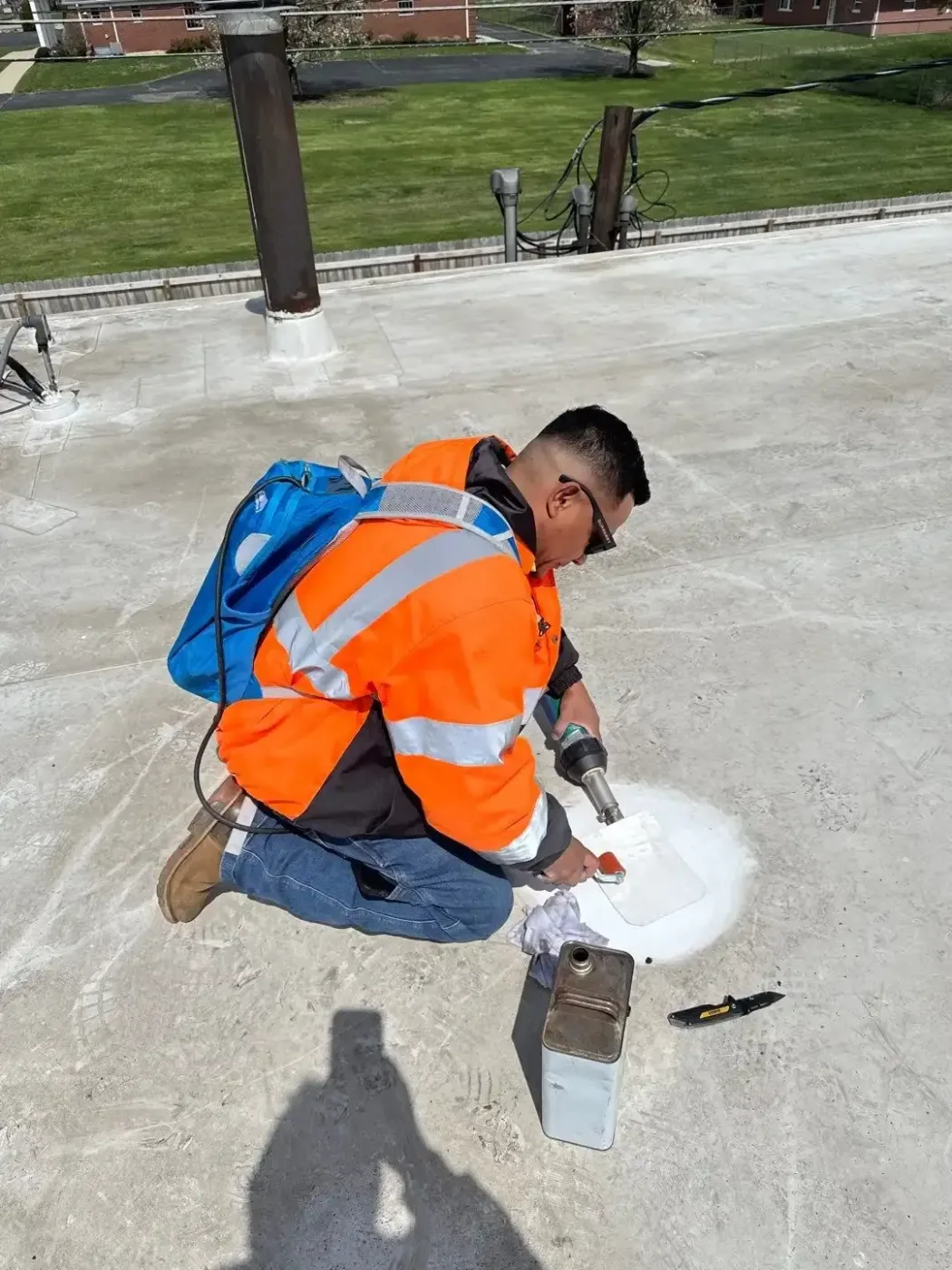
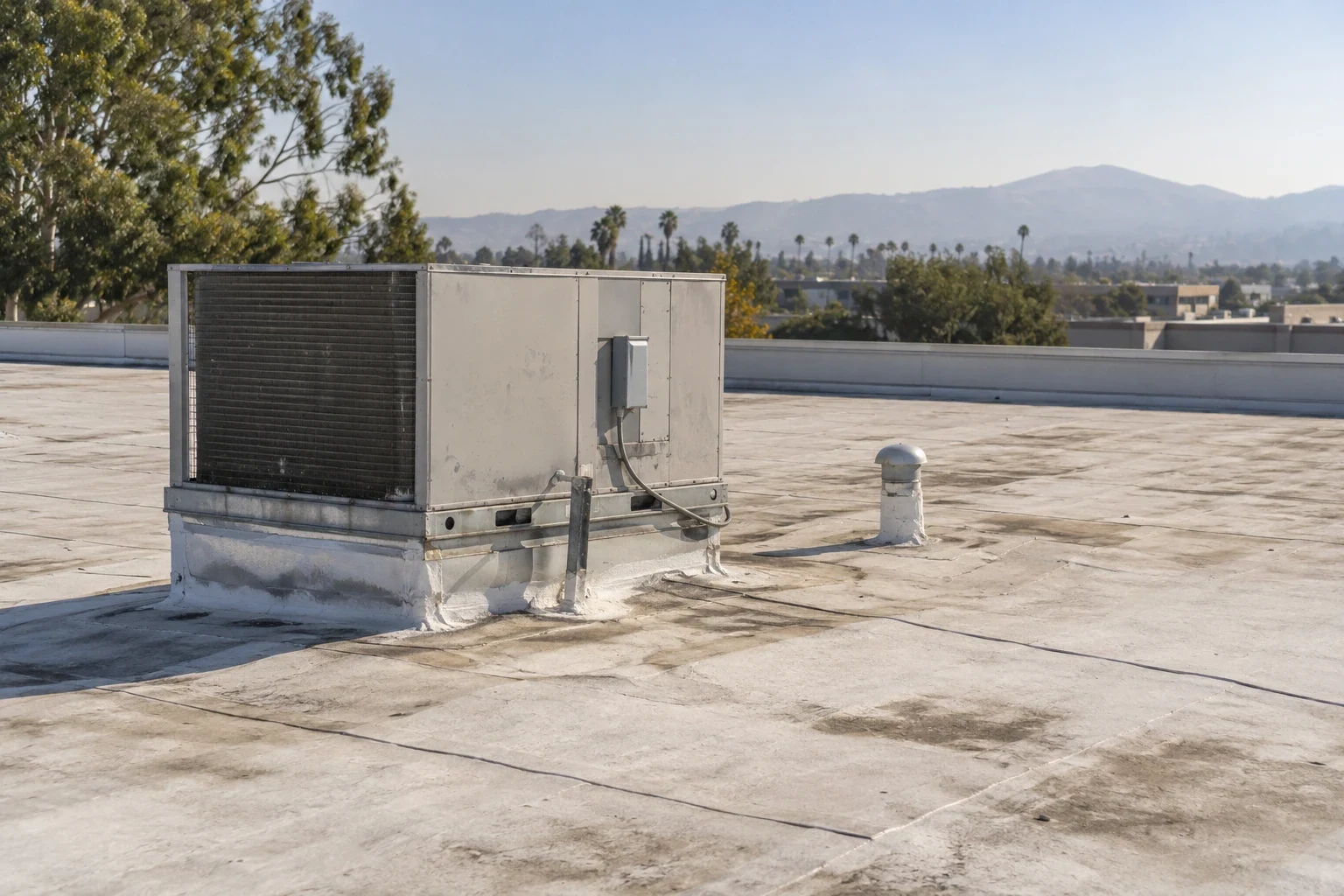
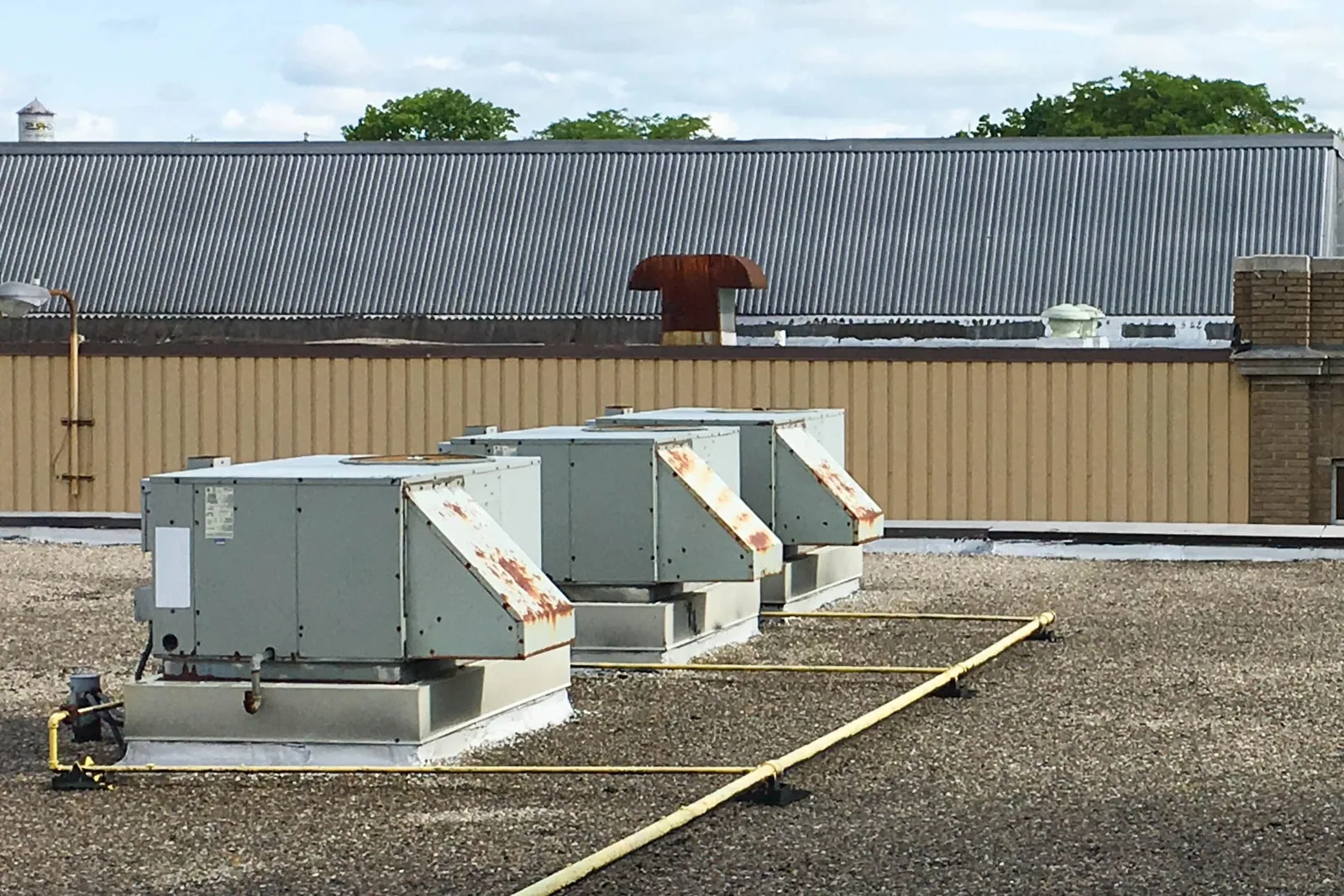


Proudly Serving Huntington Beach and Nearby Cities

Commercial Roofers Huntington Beach
Huntington Beach, Westminster, Seal Beach, Fountain Valley,
Garden Grove, Newport Beach and nearby Orange County cities