
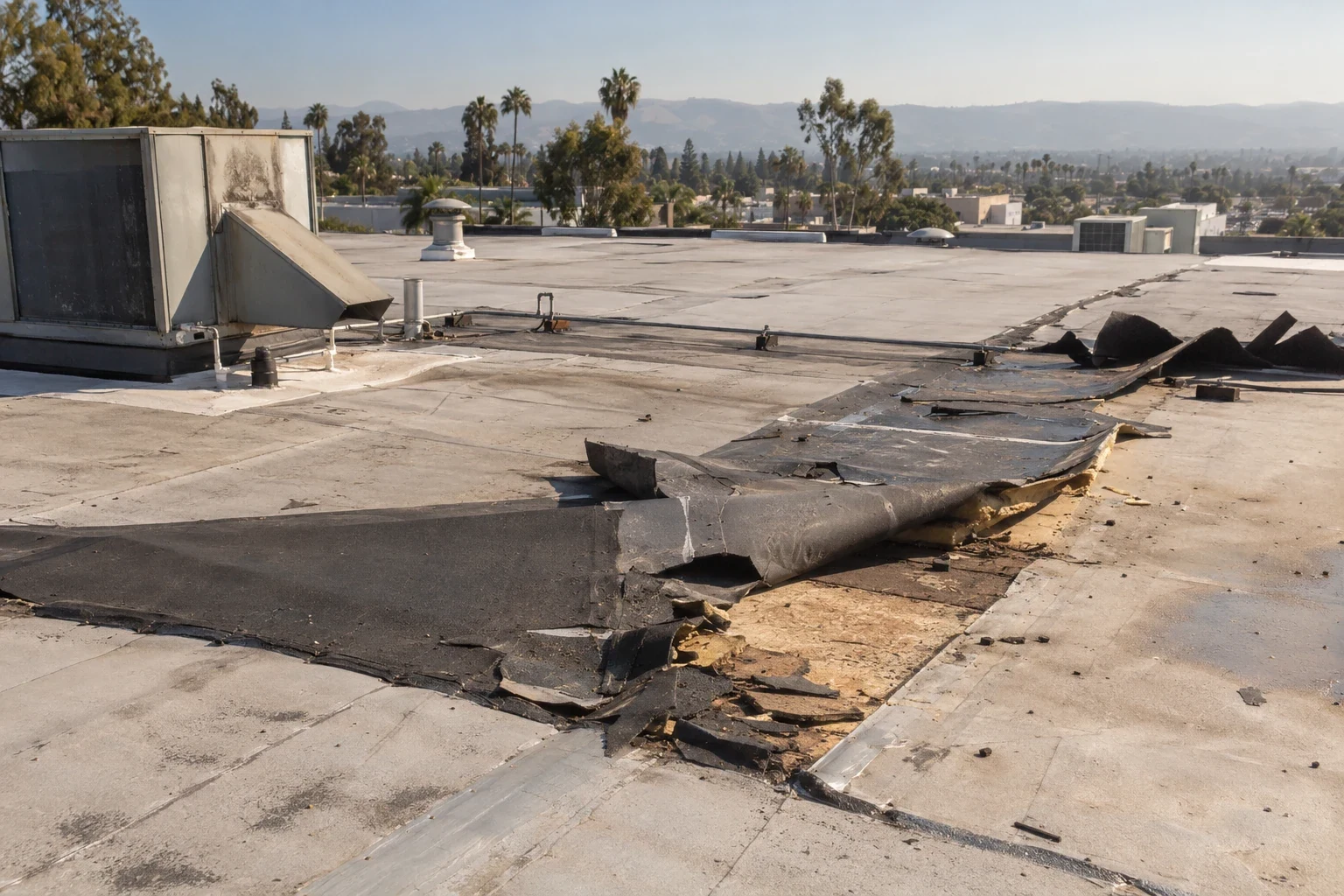
Wind Damage Roof Repair in Huntington Beach, CA
A metal cap moving above an occupied entrance requires a clear exclusion area before anyone attempts to retrieve it. Commercial Roofers Huntington Beach responds to commercial wind damage in Huntington Beach, CA, beginning with the reported loose material and a safe route to inspect it. Tell us whether water is entering, which doors sit below the affected edge and who controls roof access. The response separates immediate protection from the attachment and flashing repairs needed to close the roof permanently.
During a Santa Ana event, offshore flow can produce dry winds and warmer coastal conditions. We assess the building after a report of displacement rather than treating the regional wind event as a damage finding. At properties in the Northwest Industrial Subarea, where offices and industrial buildings share an employment district, loading activity and service access also need consideration before a crew sets up beneath a roof edge.
What does the loose edge reveal?
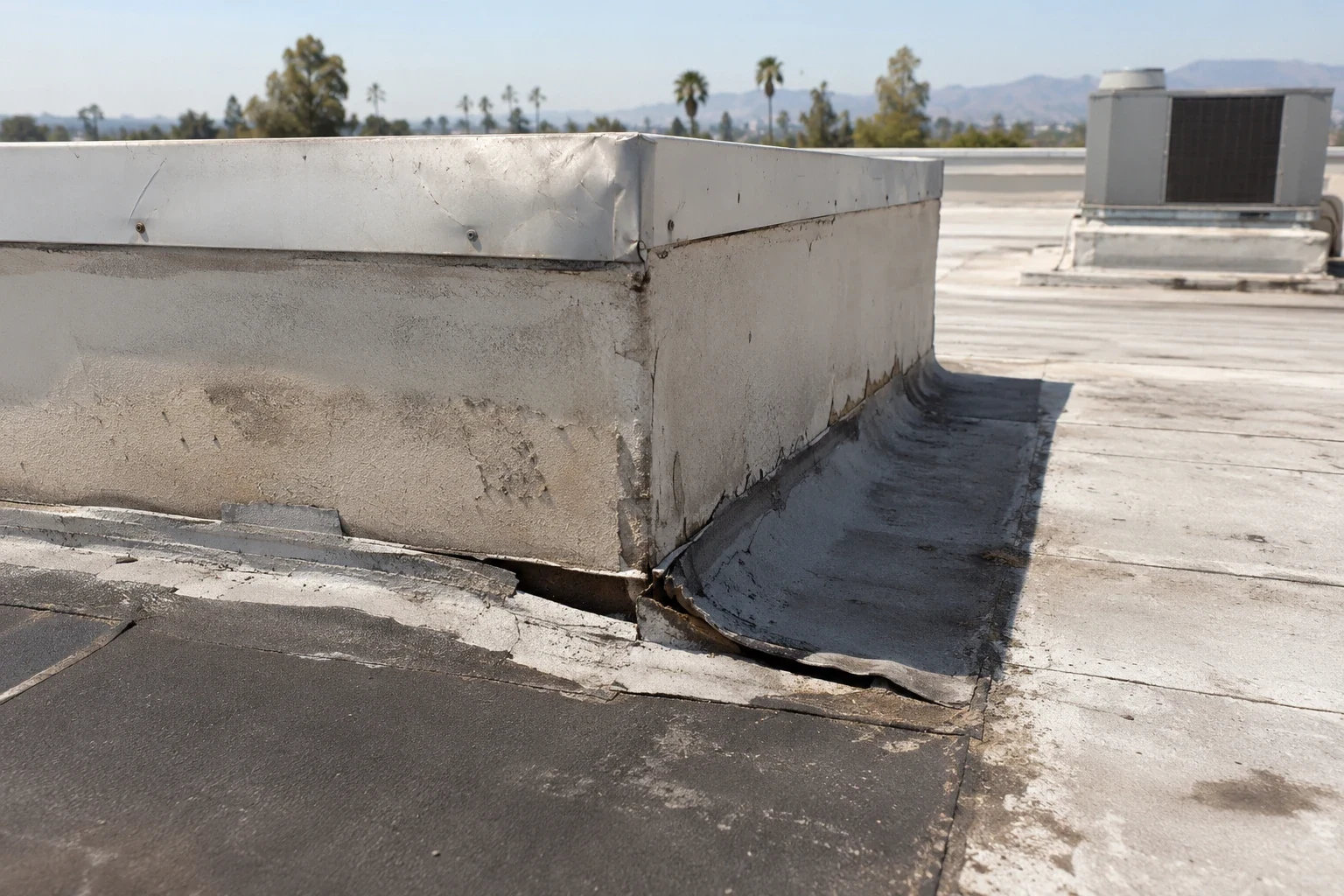
A displaced coping piece can expose the top of a wall or the membrane termination underneath. We inspect the connection behind the visible metal, including cleats, fasteners, receivers and the supporting material. Reattaching a bent cap to weakened backing leaves the repair dependent on the same failed connection. The permanent scope identifies what must be removed, repaired or replaced so the edge assembly transfers its loads through sound components.
Membrane lifting near a perimeter also needs an attachment review beyond the torn surface. We check whether the membrane has separated from its fastening or adhesive, whether insulation has moved and whether neighboring sections remain stable. Corners, wall ends and changes in height can have different attachment requirements. The damaged detail is recorded in its roof position so the repair material and fastening arrangement suit that location.
A failed perimeter flashing can admit water after the visible metal has stopped moving. We inspect its concealed connection where access allows and explain any opening needed to define the repair.
Which areas need protection before the roof visit?
Loose roof material above a walkway is a building safety concern even without a leak. The site contact controls the affected entrance, parking or loading area while safe inspection is arranged. Staff should not climb onto a roof to hold down a flapping membrane or remove a cap during active wind. We assess the working position, fall protection and lifting conditions before approaching the damaged edge, keeping the public route separate from the repair area.
A warehouse in the Northwest Industrial Subarea may need a loading door temporarily moved out of service while materials are secured above it. The district has business parks, offices and industrial-spec buildings; the actual tenant's operation establishes which doorway or yard route is essential. We confirm that route rather than assuming every property provides open staging space.
Calls for urgent protection are answered overnight, on weekends and during holidays. If wind prevents safe exterior work, the response records the interior protection needed and the conditions that must change before a roof crew can proceed.
Has movement opened more than one seam?
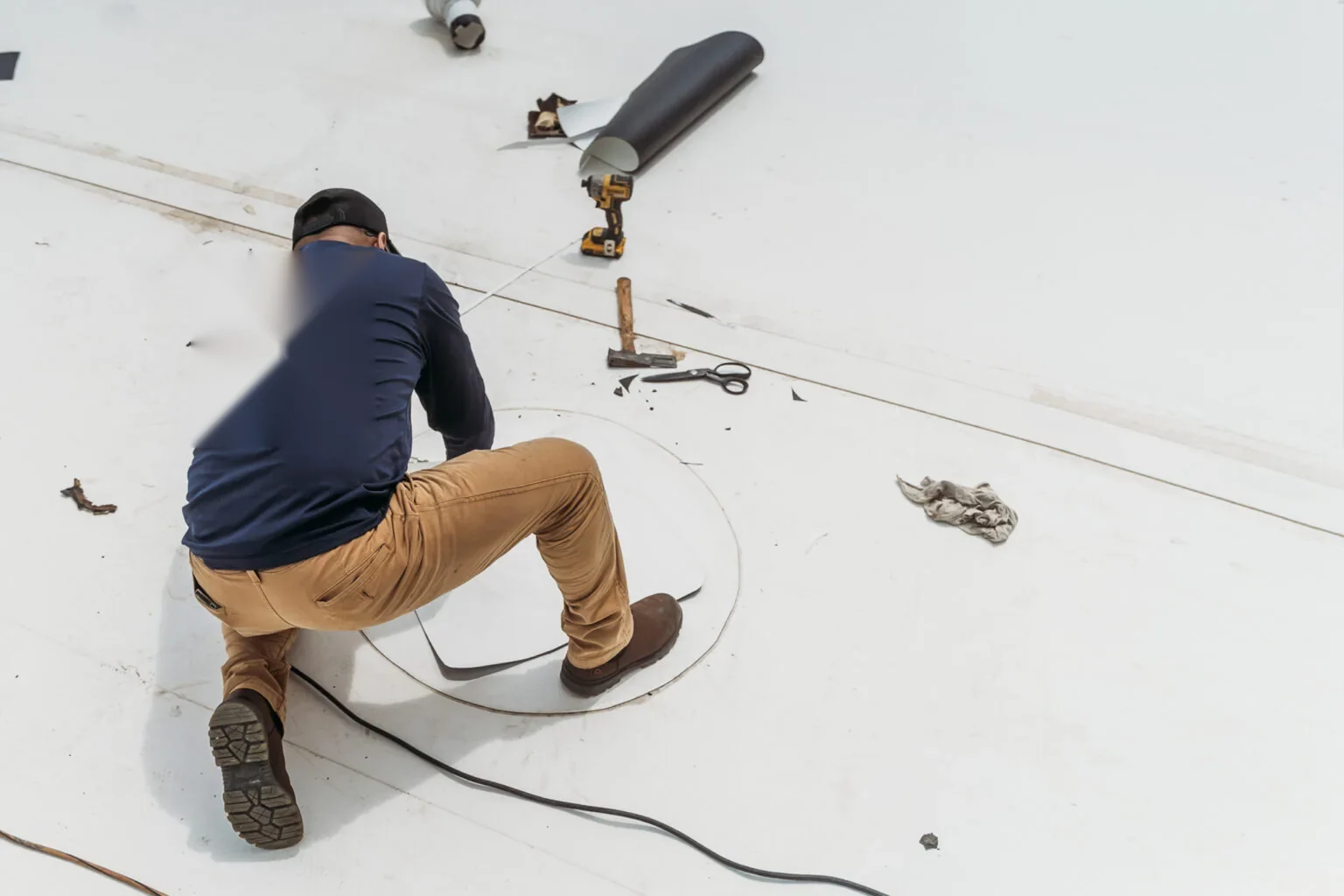
A lifted sheet can stress adjoining seams and flashing even where the material settles back into place. We inspect the displaced zone and neighboring connections, looking for open welds, stretched membrane, tears and damaged attachment points. Service walkways and equipment supports are checked for debris that may have scraped or punctured the surface. Each finding gets its own location instead of being combined into a general description of wind damage.
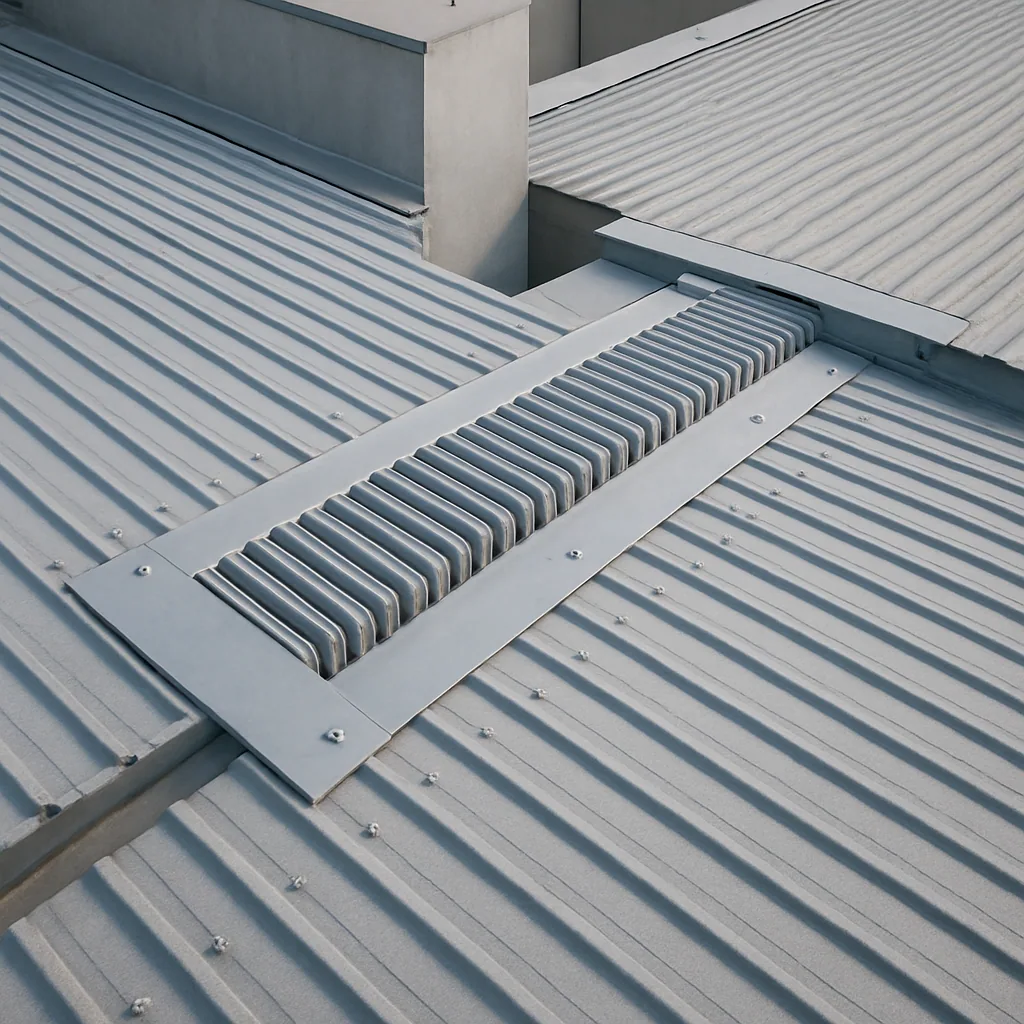
For metal roofing, we examine panels, laps, fasteners and closures around the affected area. An exposed-fastener panel and a standing seam panel have different repair details; adding fasteners without considering the assembly can create new water entry points. With single-ply roofing, repair of an opened seam requires sound adjoining material and a compatible preparation method. The crew tests the repaired connection using the system's appropriate field checks.
Newport Beach Harbor's nearby climate record concentrates rain in winter. Wind-displaced material should be examined before that next wet period, since a dry interior after an offshore event does not establish that exposed connections can shed rain.
Where does water change the removal boundary?
A tear may be small while moisture beneath it has spread across insulation joints. We compare the roof damage with the interior report, drain position and the condition of adjacent material. Where moisture would change the removal extent, testing identifies whether the area can receive a local repair or needs wet layers removed. The scope shows the confirmed boundary and the finding that would expand it if concealed conditions differ during removal.
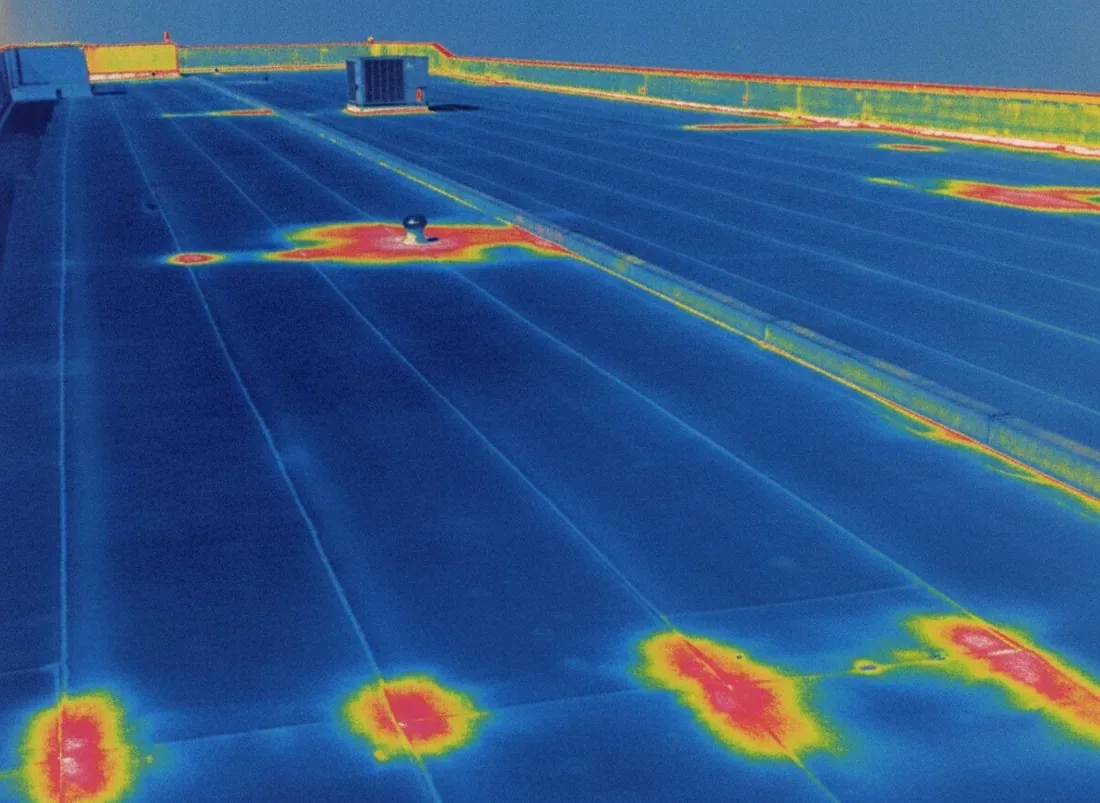
A moisture survey under suitable conditions can help select confirmation locations. A thermal pattern needs appropriate field verification before it becomes a demolition decision. Damaged insulation and deck material are addressed before the new membrane closes the opening. Temporary dry-in work is marked separately, especially where a return visit is needed for material delivery or a larger opening.
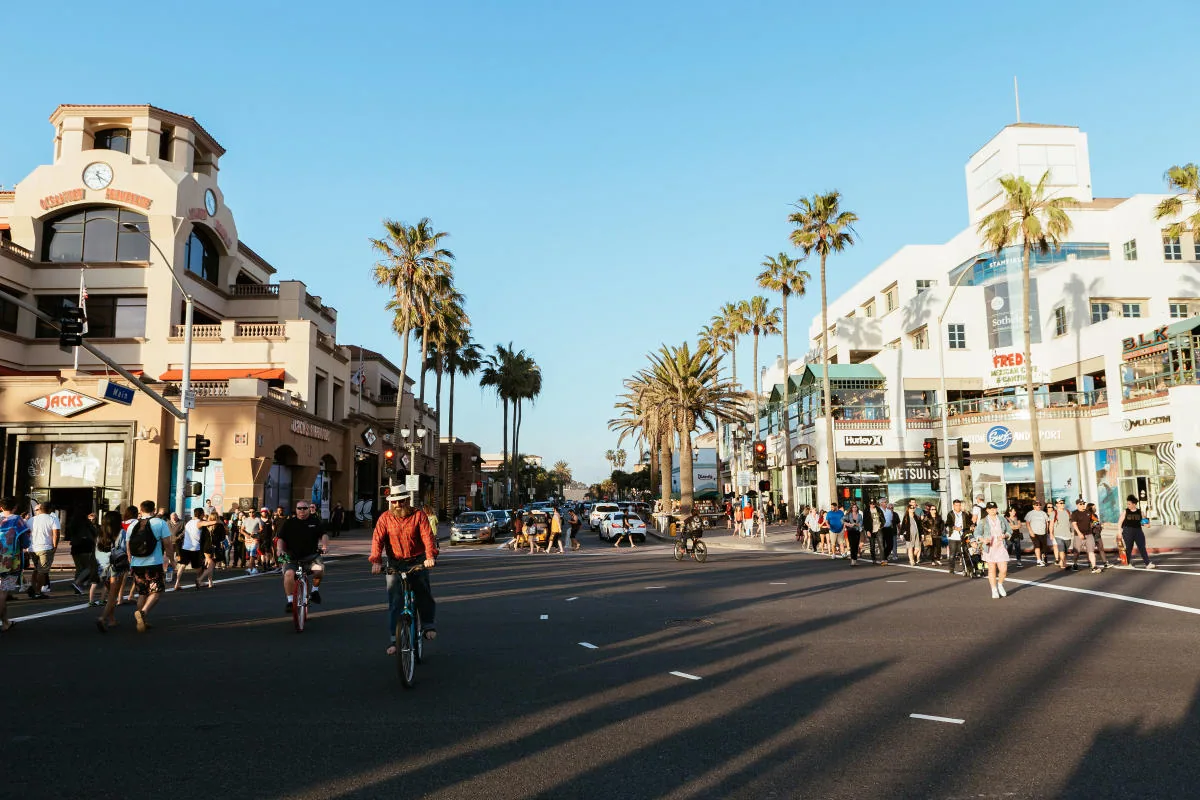
Near Downtown Huntington Beach's pedestrian-oriented retail streets, a repair delivery needs a route that avoids public movement. An access limitation can change the sequence without changing the evidence needed to determine which roof layers require removal.
What makes the completed repair ready for service?
The repair connects stable deck, insulation, membrane and perimeter components in the affected zone. We remove failed material and prepare the receiving surface before installing compatible roofing. Edge metal work includes the connections that held it in place, not only the visible replacement piece. If an equipment support or wall component caused movement, the responsible correction must be coordinated before the roof detail is closed against it.
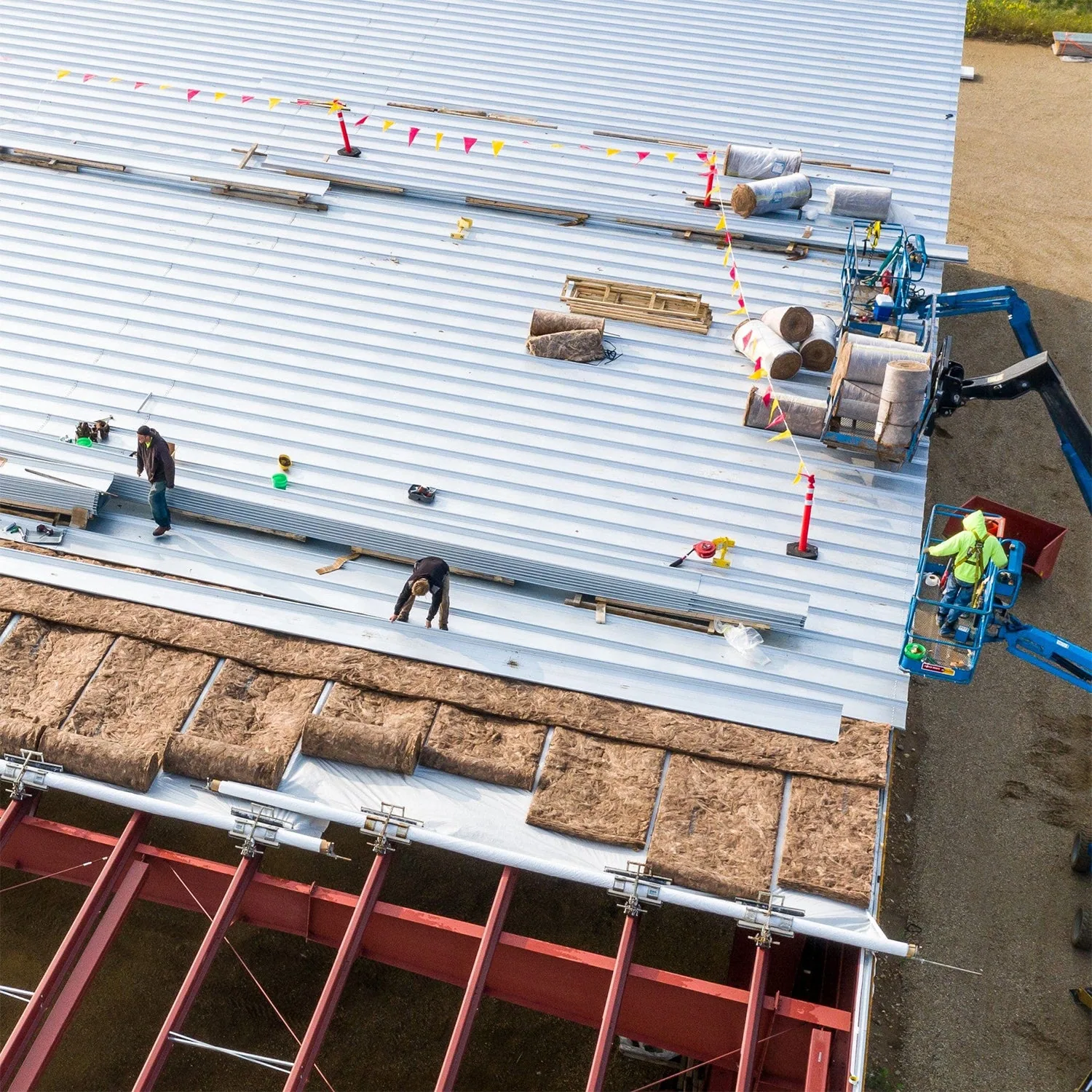
A permanent commercial roof repair may restore a defined damaged zone where the remaining assembly is sound. Widespread attachment failure or multiple wet areas can justify a replacement assessment. We explain that distinction through observed conditions, preserving useful roofing where its condition supports retention. Material availability, access equipment, wet-layer disposal and fabricated edge details affect timing and cost.
The closeout includes photographs, the repaired limits and any remaining work. For an owner assembling a loss file, roof claim documentation can distinguish observed displacement, prior repairs and completed protection. Coverage remains a policy decision. Keep the dated roof findings with event information and service records so a later review can follow the work accurately.
Commercial Roofing Questions
Should we keep the loading bay open beneath a loose roof cap?
Keep people and vehicles clear of the affected area until the building contact establishes a safe route and the overhead condition is assessed. We inspect the cap and its receiver, then describe securing or removal work. The bay can return to use when the responsible site personnel confirm the protection arrangement.
Can a membrane look flat again but still need repair?
Movement can leave a seam, fastener area or flashing connection damaged after the sheet settles. We check the affected area at close range and compare it with neighboring attachment. A broad visual scan alone may miss a small opening or a connection that has lost its hold.
Do we need to replace all edge metal after one piece moves?
The surrounding attachment and receiver condition guide that scope. We examine adjacent runs and roof corners to see whether the failure is localized or repeated. A defined repair can suit sound neighboring material; broader failure requires a wider fastening and fabrication review.
What should we retain before emergency protection changes the roof?
Record the report time, affected rooms and safe photographs available from ground or interior positions. We document the exterior condition when access is safe and identify temporary materials separately. Previous repair records help distinguish new displacement from a connection already scheduled for correction.

Proudly Serving Huntington Beach and Nearby Cities
Commercial Roofers Huntington Beach
Huntington Beach, Westminster, Seal Beach, Fountain Valley,
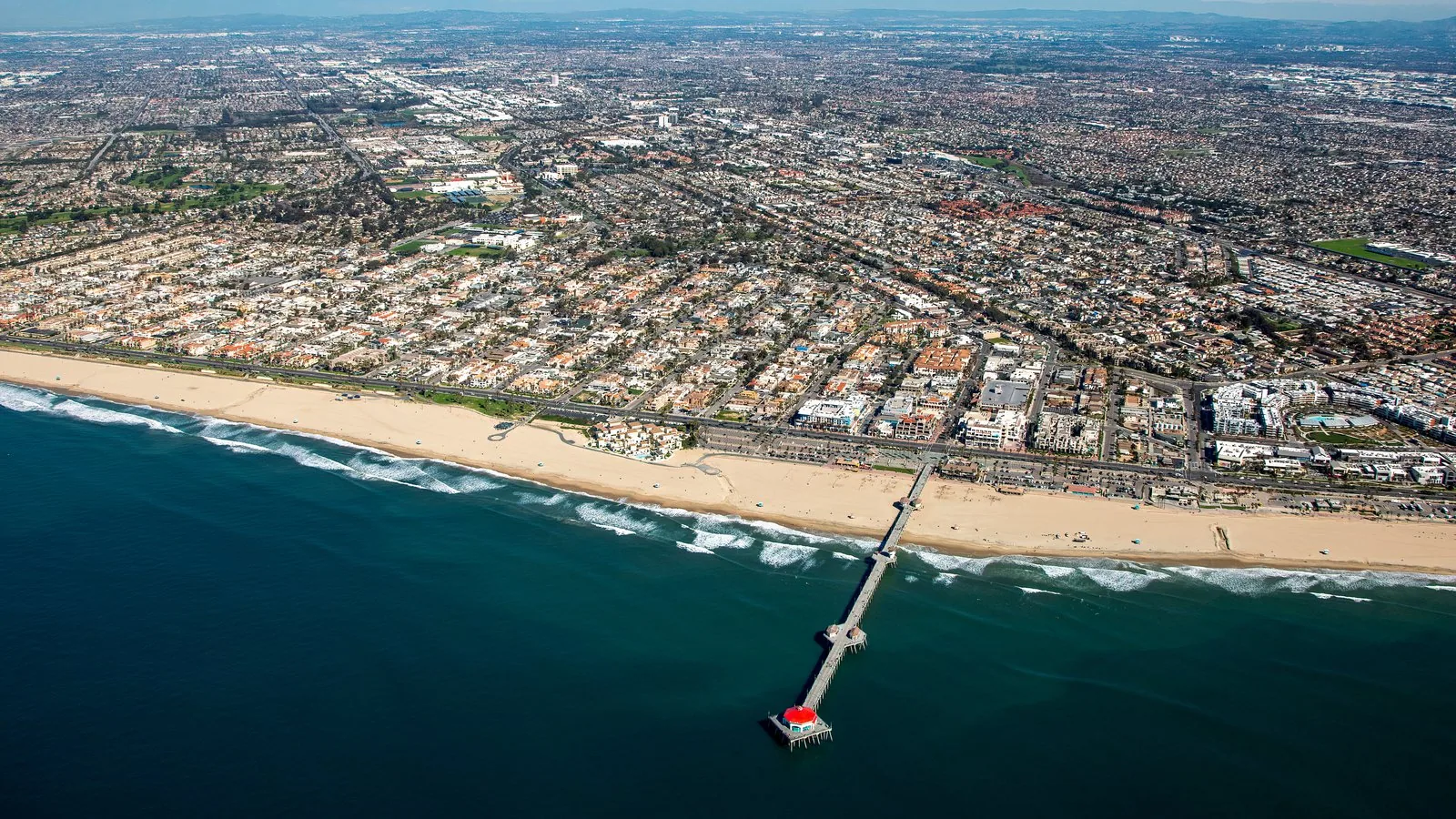
Garden Grove, Newport Beach and nearby Orange County cities