
Duro-Last Commercial Roofing in Huntington Beach, CA
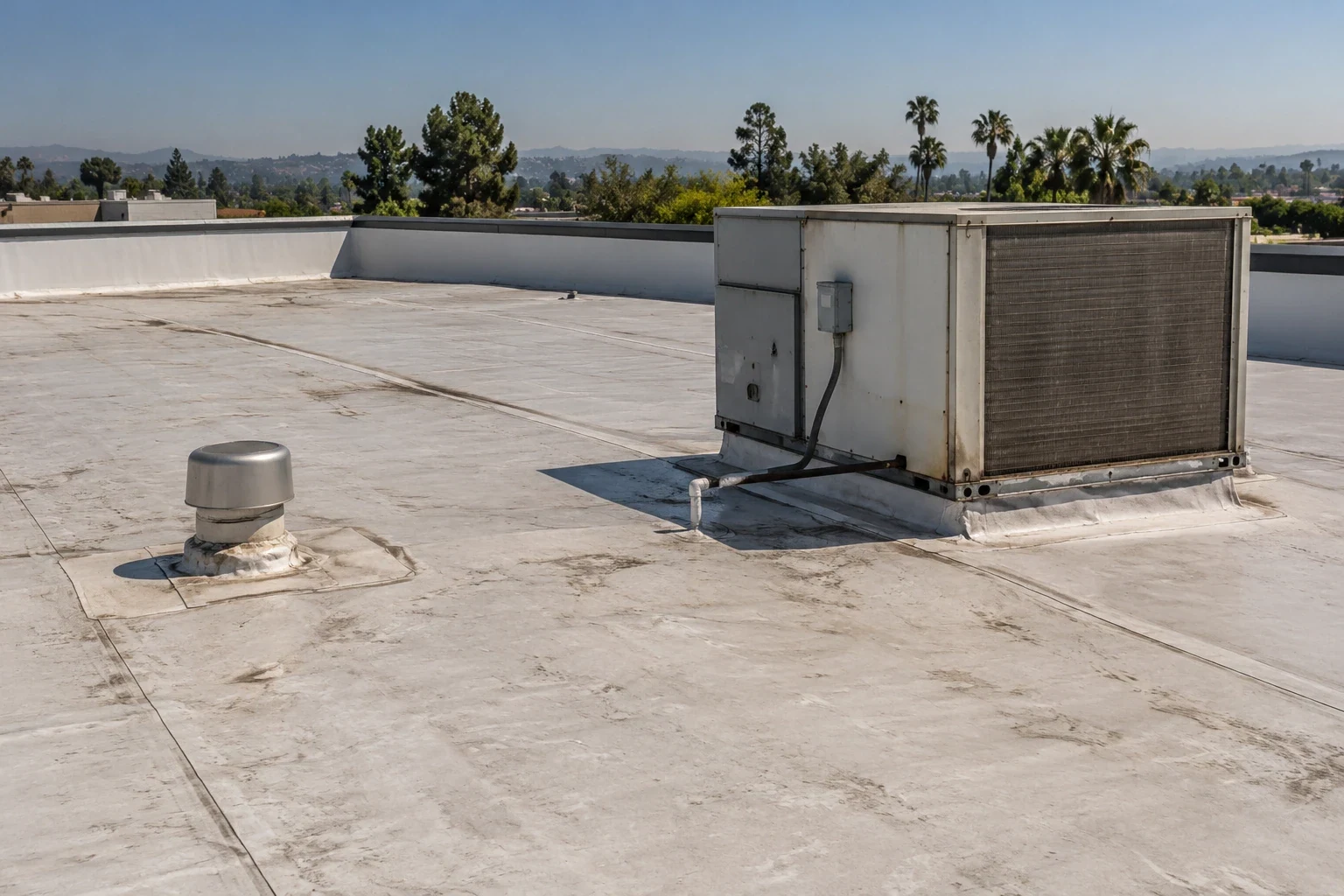
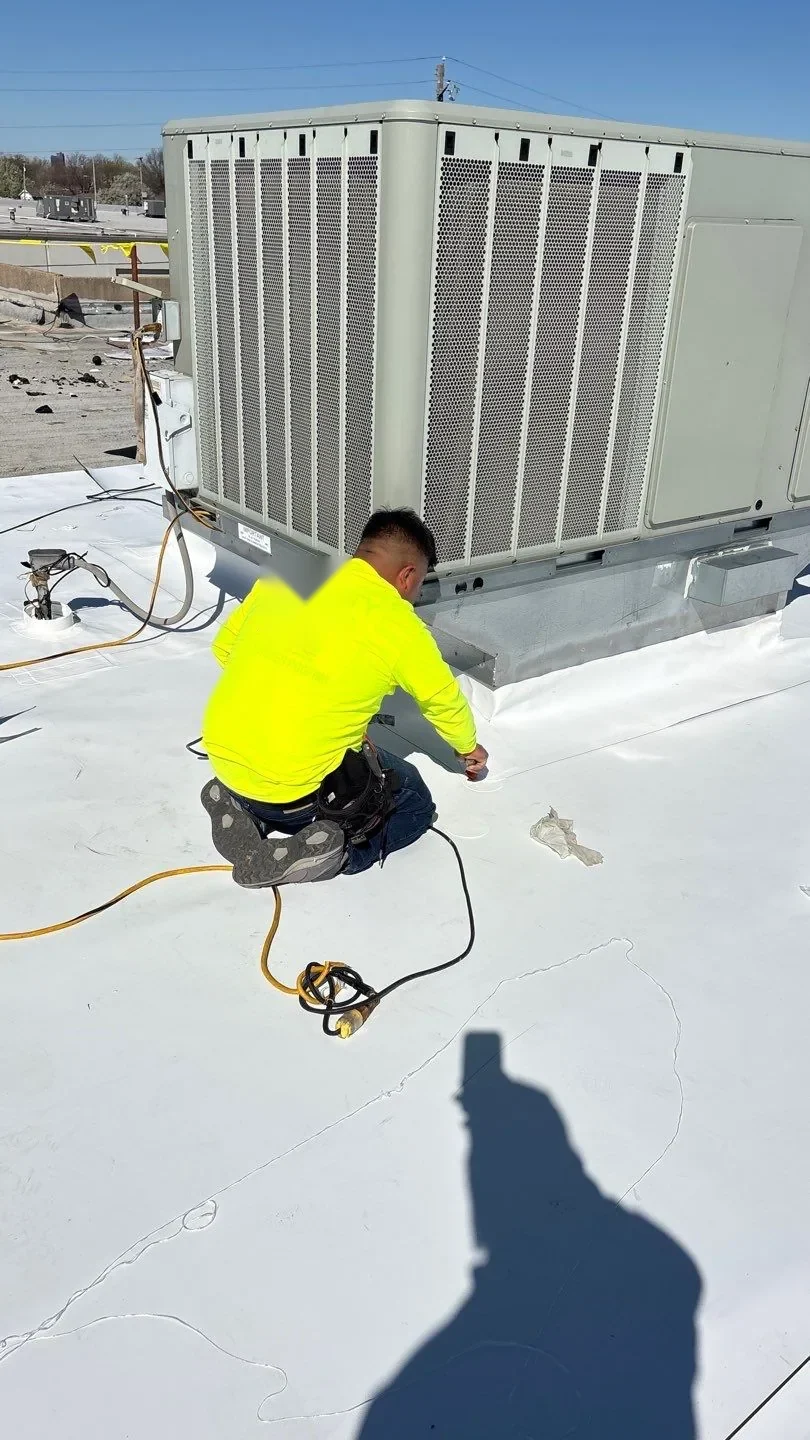
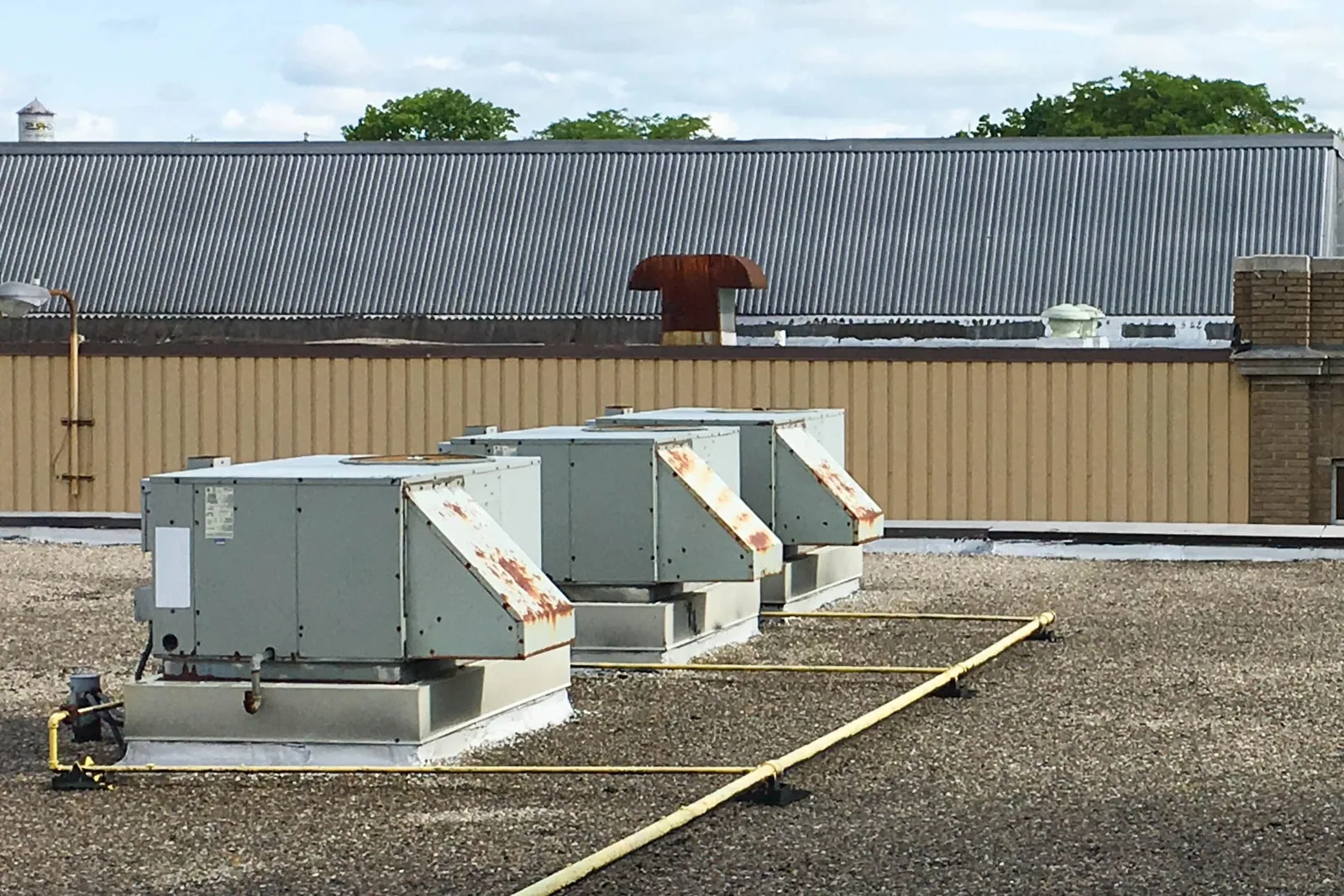
A replacement rooftop unit can leave a Duro-Last membrane detail needing alteration even while the roof field remains intact. We inspect the curb connection and identify the existing material before defining the new flashing. Commercial Roofers Huntington Beach installs and repairs appropriate Duro-Last commercial roof assemblies in Huntington Beach, CA. The decision begins with the changed equipment opening, the condition of surrounding roofing, and the time available to prepare and close that detail.
Duro-Last is known for PVC commercial roofing with prefabricated membrane components. That approach still requires accurate field dimensions and sound installed connections. A roof serving office or research activity in the Northwest Industrial Subarea has its own equipment and operating limits, while a visitor business near Five Points may have different entrance restrictions. We measure the actual roof and arrange access with the building contact before ordering materials or opening a repair area.
Which roof dimensions need confirmation before fabrication?
Drain positions, curb outlines, roof edges, wall transitions, and changes in elevation need to match the construction proposed. We compare drawings with field measurements and identify alterations that changed the roof since the drawing was made. Equipment access clearances also affect membrane placement and work sequencing. A fabricated component must arrive ready for the detail it will meet, with a plan for site connections and transitions that remain field work.
A roof section with many small penetrations needs careful location records, not a simplified rectangle that ignores its openings. We identify which components can be prepared in advance and which details require final adjustment after removal. Comparing Duro-Last with Sika Sarnafil PVC roofing involves the complete assembly and project requirements, including attachment, insulation, and detail methods. Carlisle commercial membrane options likewise need their own approved component and assembly review.
Will the retained membrane accept a welded repair?
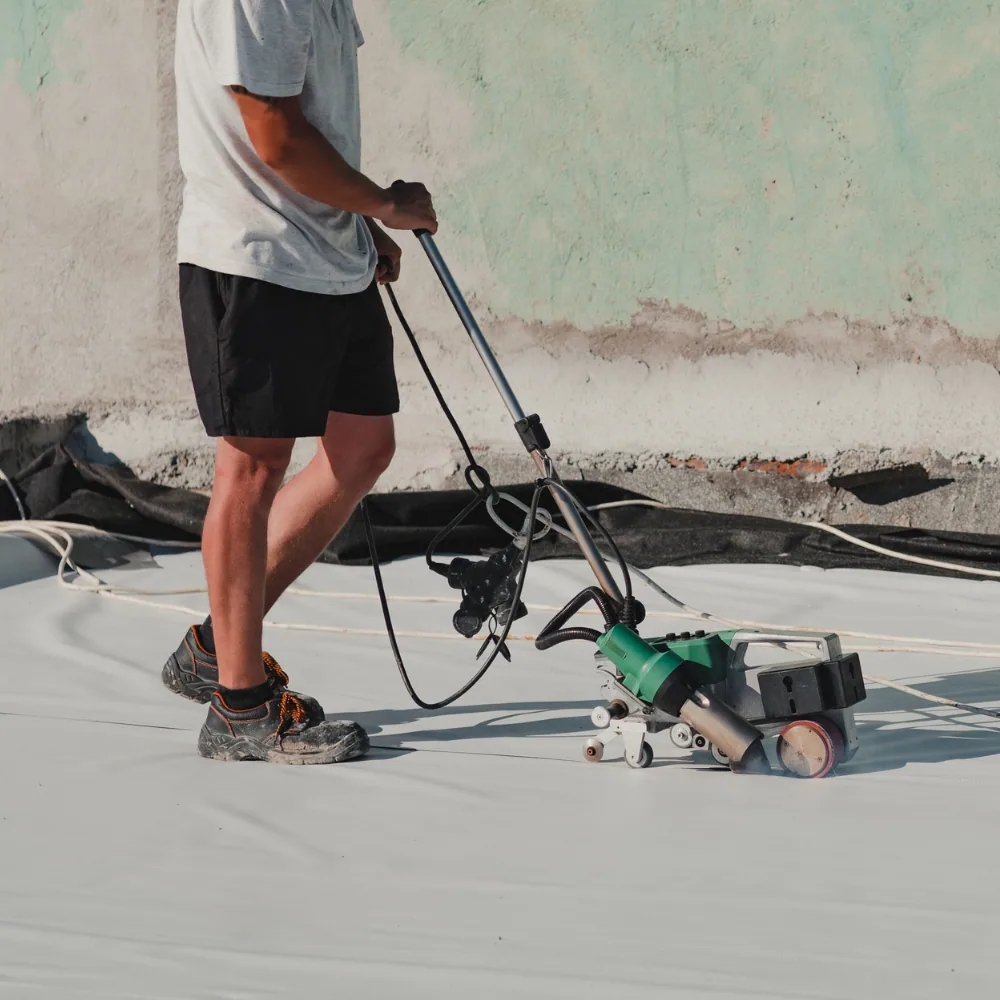
A worn or contaminated repair surface needs preparation before welding can be evaluated. We identify the membrane, coating or patch history, and the extent of sound retained material. A trial weld and the relevant connection checks help determine whether the proposed repair method suits that surface. If the existing layer cannot support a proper bond, removal or another supported detail may be required. The patch boundary follows the suitable connection area, rather than the smallest possible outline.
For an intact PVC field with a contained opening, a PVC-compatible roof repair addresses preparation, repair membrane, welding, and the surrounding substrate. Wet insulation beneath the opening changes the work. We examine or test the concealed area when moisture could affect the tie-in, then remove material to the established limit. A surface patch should not be used to conceal a weakened layer that prevents the repaired assembly from performing as intended.
How will a new curb connect to the roof?
A curb replacement can change height, footprint, and the position of an existing seam. We coordinate dimensions and timing with the equipment trade, identifying when the old unit leaves and when the new opening can close. The curb needs a stable support and suitable flashing termination. Its finished height must account for the proposed roof layers. Equipment service access should also remain usable without directing technicians across vulnerable membrane or a newly welded corner.
Equipment curb and support planning connects those requirements to the actual unit and roof assembly. We identify temporary protection if equipment delivery or lifting cannot align with the roofing shift. A building should not have an undefined opening between trades. Closeout records the altered curb position and completed flashing so later maintenance can distinguish the new detail from an earlier roof connection that remains outside the work.
Which supporting conditions matter beyond the membrane?
A membrane selection does not settle deck capacity, insulation condition, attachment, or the roof's drain path. We examine the supporting construction and review the applicable assembly requirements before specifying installation. The chosen attachment must suit the deck and design. Existing wet material or deteriorated substrate can require removal even if the visible surface looks uniform. Insulation and cover board need the appropriate connection to provide a suitable base for the roofing above.
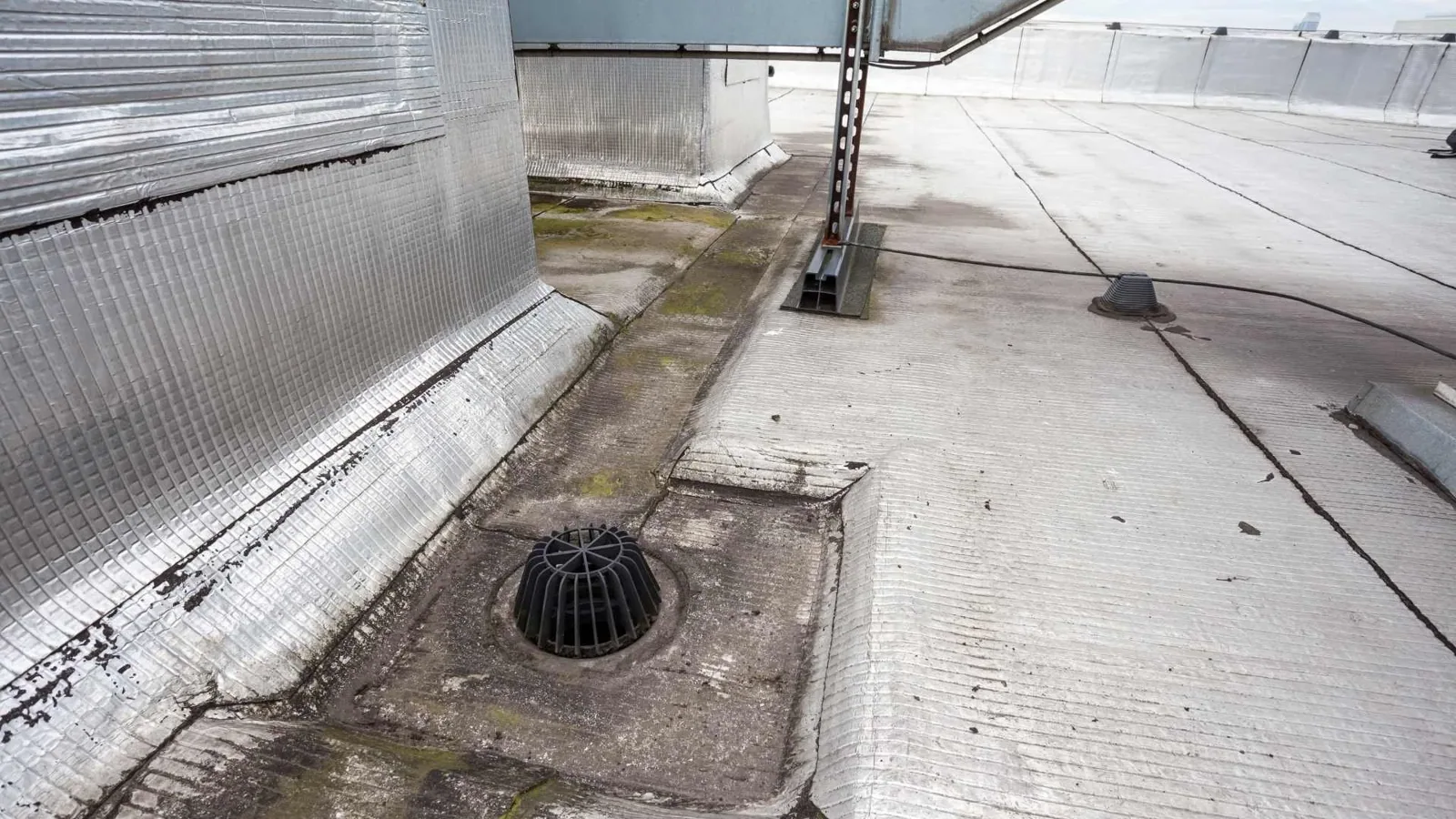
Drain fittings, scupper openings, and edge transitions require coordinated details at the finished roof height. A recover may alter those heights, so retained construction receives its own review before new layers are added. Drain and scupper corrections address an actual outlet or flow defect. Nearby Newport Beach Harbor's precipitation pattern favors rain during the cooler season, with little normal summer rain. That makes advance drainage preparation useful, while the installed slope and outlet condition determine where water goes on the building.
What can be opened during the available operating window?
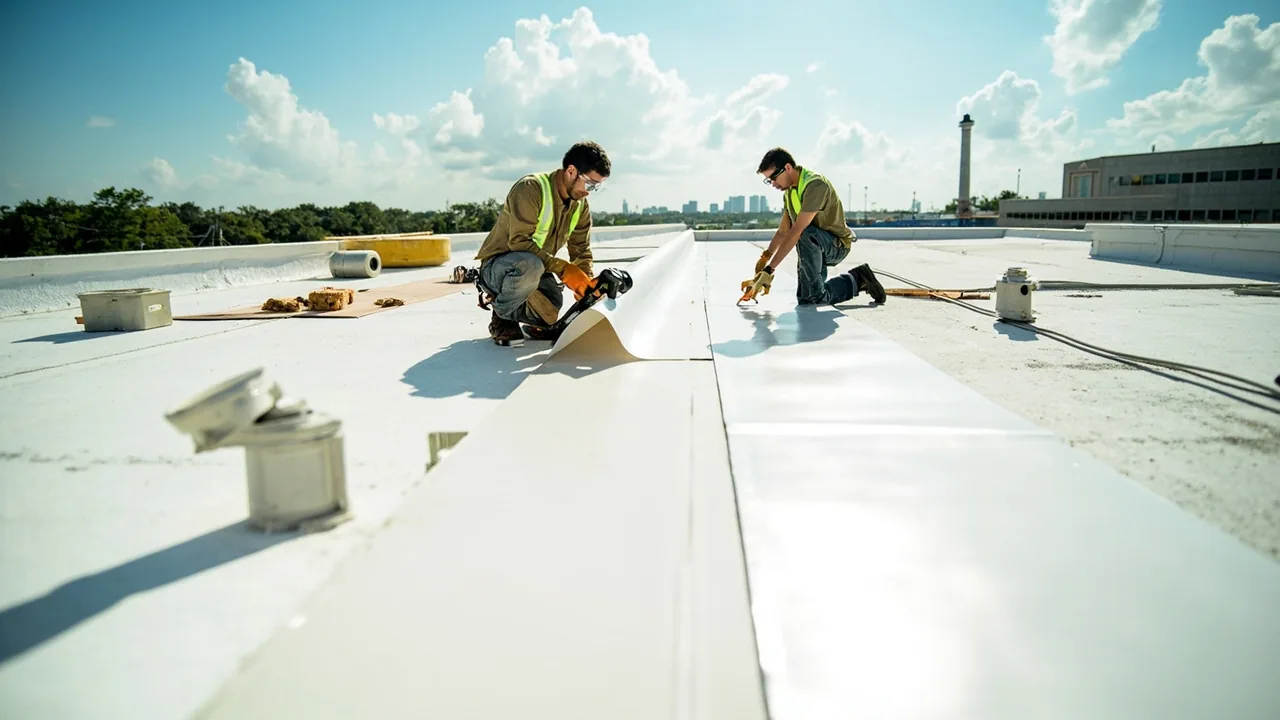
A prefabricated membrane arrangement still needs removal, substrate preparation, field connections, and a watertight stopping detail. We establish the daily work area from the roof condition and time available, with interior protection beneath any exposed section. A delayed component or unexpected deck repair can change that boundary. The crew needs an appropriate closing method before beginning removal, and the site contact needs to know which room or operating area is affected.
The Northwest Industrial business area contains offices, commercial pads, and industrial or research buildings. Five Points is among Huntington Beach's visitor-serving commercial settings. Those uses help identify access questions, but the property contact confirms the actual entrances, equipment routes, and room restrictions. We coordinate roof installation over occupied rooms with those conditions. Material movement, noise, protected interiors, and daily closure remain part of the construction plan regardless of how much membrane arrives prepared in advance.
Which connections need inspection before the roof is handed back?
Field seams, prefabricated component connections, curb corners, roof edges, and drainage details require the checks specified for the installation. We record completed work and the assembly components used, with photographs tied to their roof positions. A detail that changed during construction needs the revised condition shown in the record. The manager can then arrange future equipment service with the repaired area and protected route identifiable, rather than relying on a general roof completion note.
Existing coverage documents should be reviewed before alterations, including the named assembly and any reporting or repair procedure that applies. Product identity by itself does not establish warranty coverage. A return check can revisit the changed equipment detail after suitable rain or an approved test. If water enters before planned work, our emergency response is available at night and through weekends and holidays. Send the affected room and roof access contact so immediate protection can be evaluated against the conditions at the building.
Commercial Roofing Questions
Do prefabricated membrane components eliminate field seams?
Installed connections and transitions remain part of the roof work. We identify which components are prepared in advance and which connections must be completed on site, then check them under the selected assembly's procedures. Accurate measurements and sound field details both matter to the finished roof.
Can you repair an old Duro-Last roof after another trade cuts it?
Suitable retained material can support a compatible repair after the opening and concealed layers are examined. We identify contamination, prior patches, moisture, and any changed curb dimensions before defining the work. The repair connects to sound roofing and restores the affected detail rather than merely covering the cut.
Why measure equipment clearances before ordering roof components?
Service space, curb shape, and connection height affect the membrane layout and installation sequence. We compare field dimensions with the equipment plan so the proposed detail can be installed and maintained. A later unit change may require revising components or flashing rather than forcing the original layout to fit.
Can a recover keep the existing drains and edge metal?
Retained fittings and edges need to suit the added assembly and finished height. We examine drainage, attachment, moisture, and the available detail connections before recommending retention. Some components require adjustment or replacement even when the roof field qualifies for a recover, and the proposal identifies those changes.


Proudly Serving Huntington Beach and Nearby Cities
Commercial Roofers Huntington Beach
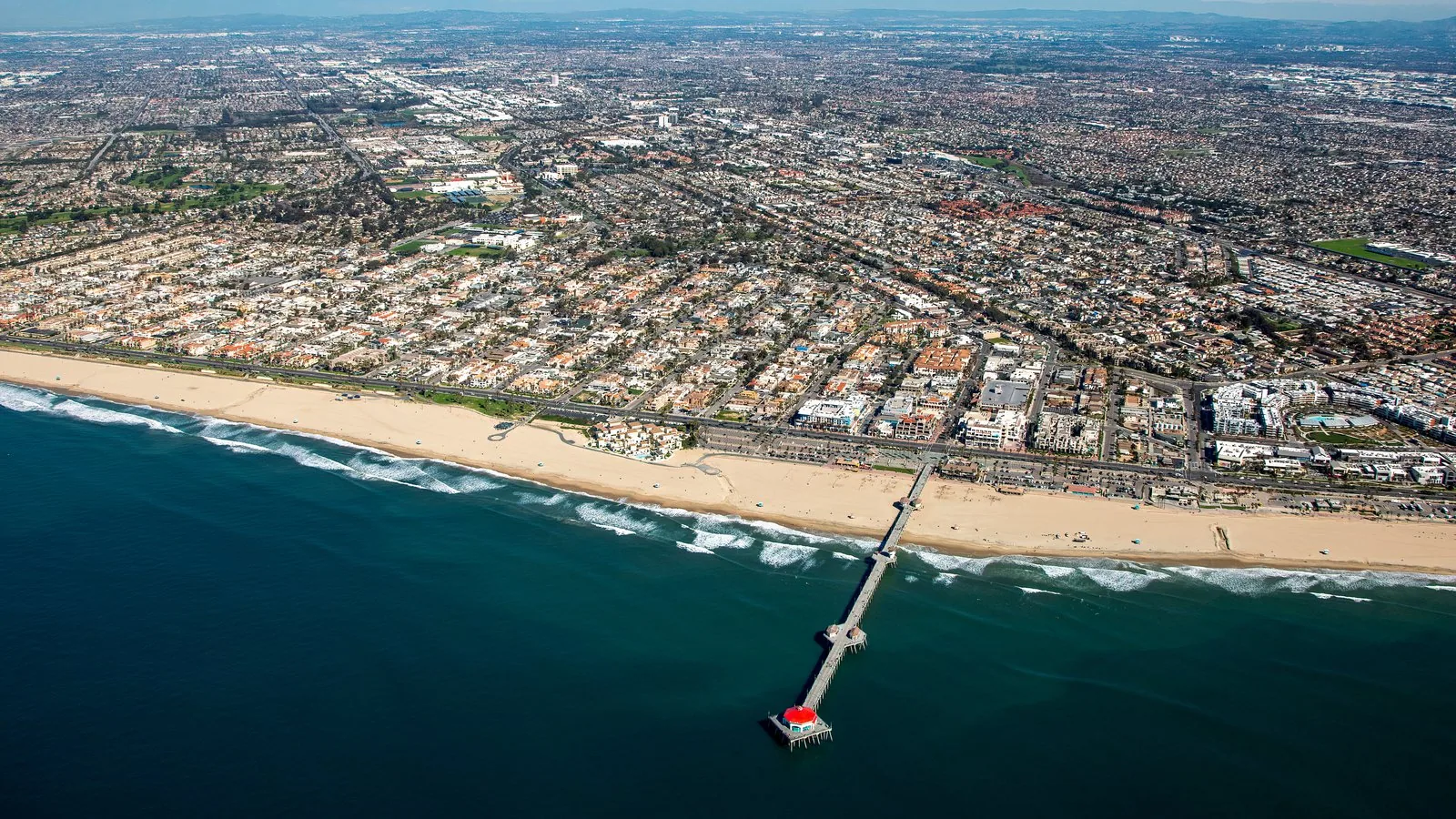
Huntington Beach, Westminster, Seal Beach, Fountain Valley,
Garden Grove, Newport Beach and nearby Orange County cities