
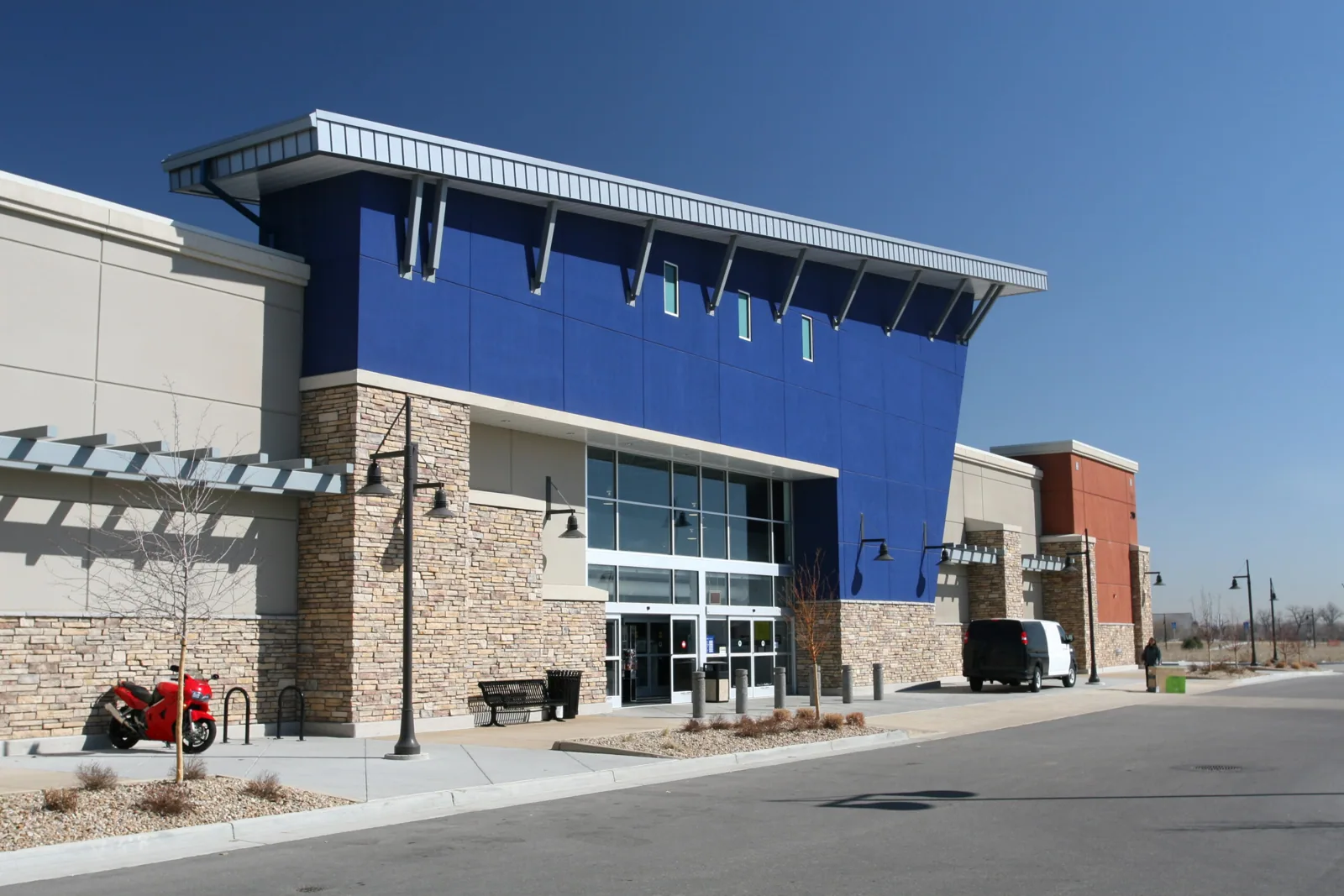
Big-Box Retail Roofing in Huntington Beach, CA
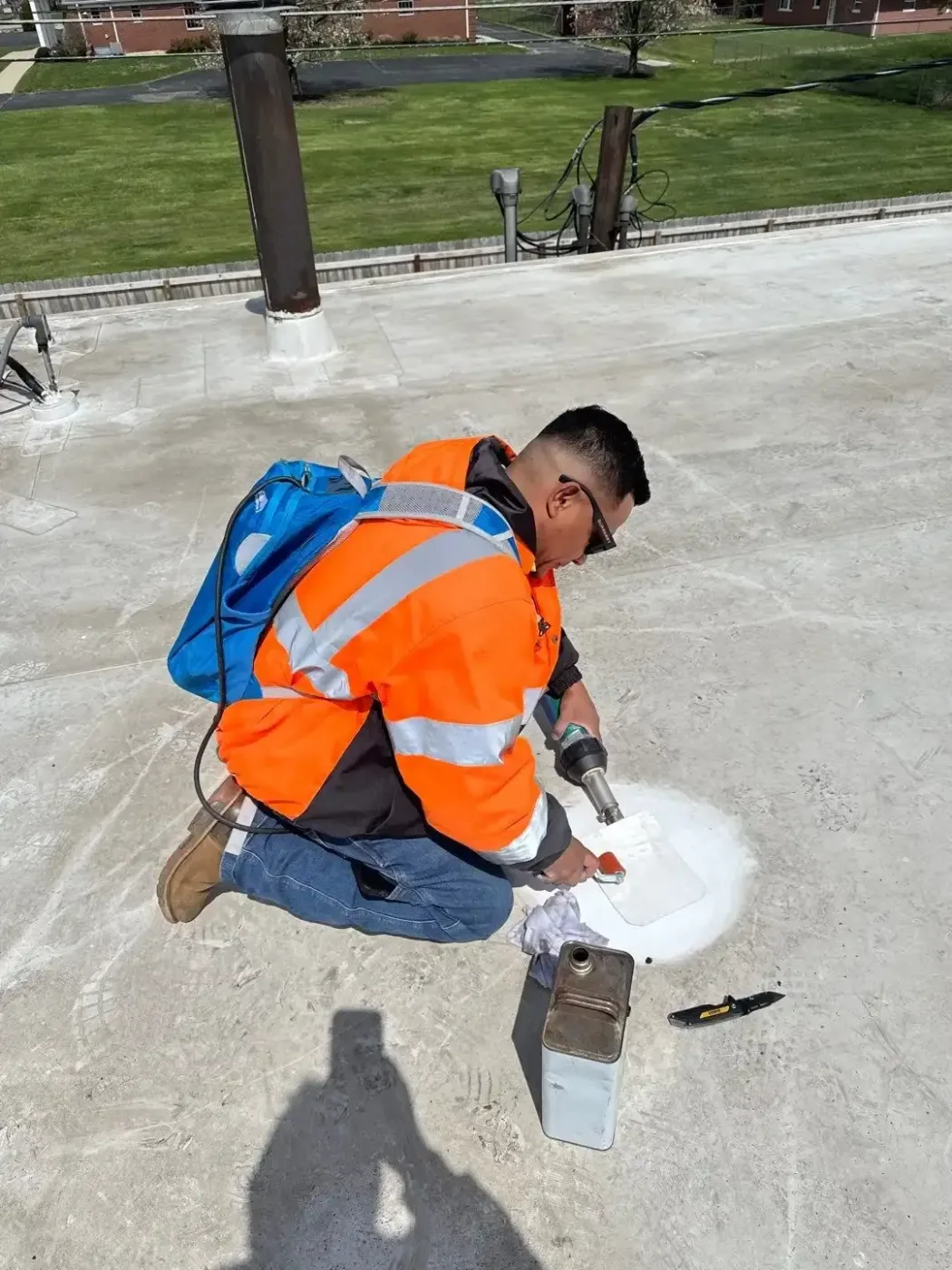
A leak over a Huntington Beach, CA, sales floor needs a roof-zone mark, an interior protection decision, and a safe path for customers. Commercial Roofers Huntington Beach responds to big-box retail roof calls with an inspection that locates the reported water, checks nearby drains and equipment curbs, and documents the boundary before repair. The site contact sets the access window and identifies what must remain open. We separate temporary cover from permanent work so store operations can plan around an exact task.
Huntington Beach's commercial frontage follows Beach Boulevard, Adams Avenue, Edinger Avenue, and Warner Avenue, with visitor-serving retail and dining near Five Points and Pacific Coast Highway. Those corridors help orient a service visit, but each store has its own loading, customer, and rooftop access rules. Newport Beach Harbor normals show a mild coastal temperature baseline with rain concentrated in winter; current conditions determine the dry-in method.
Which sales, loading, and roof zones are affected?
Start with the store area, time water appeared, and whether customers or employees remain below. The manager identifies entrances, service corridors, receiving doors, stock areas, checkout or office zones, and any affected equipment. We compare the interior report with the roof plan and record a separate mark for each location. That makes it easier to tell whether several reports share a water path or require separate investigation.
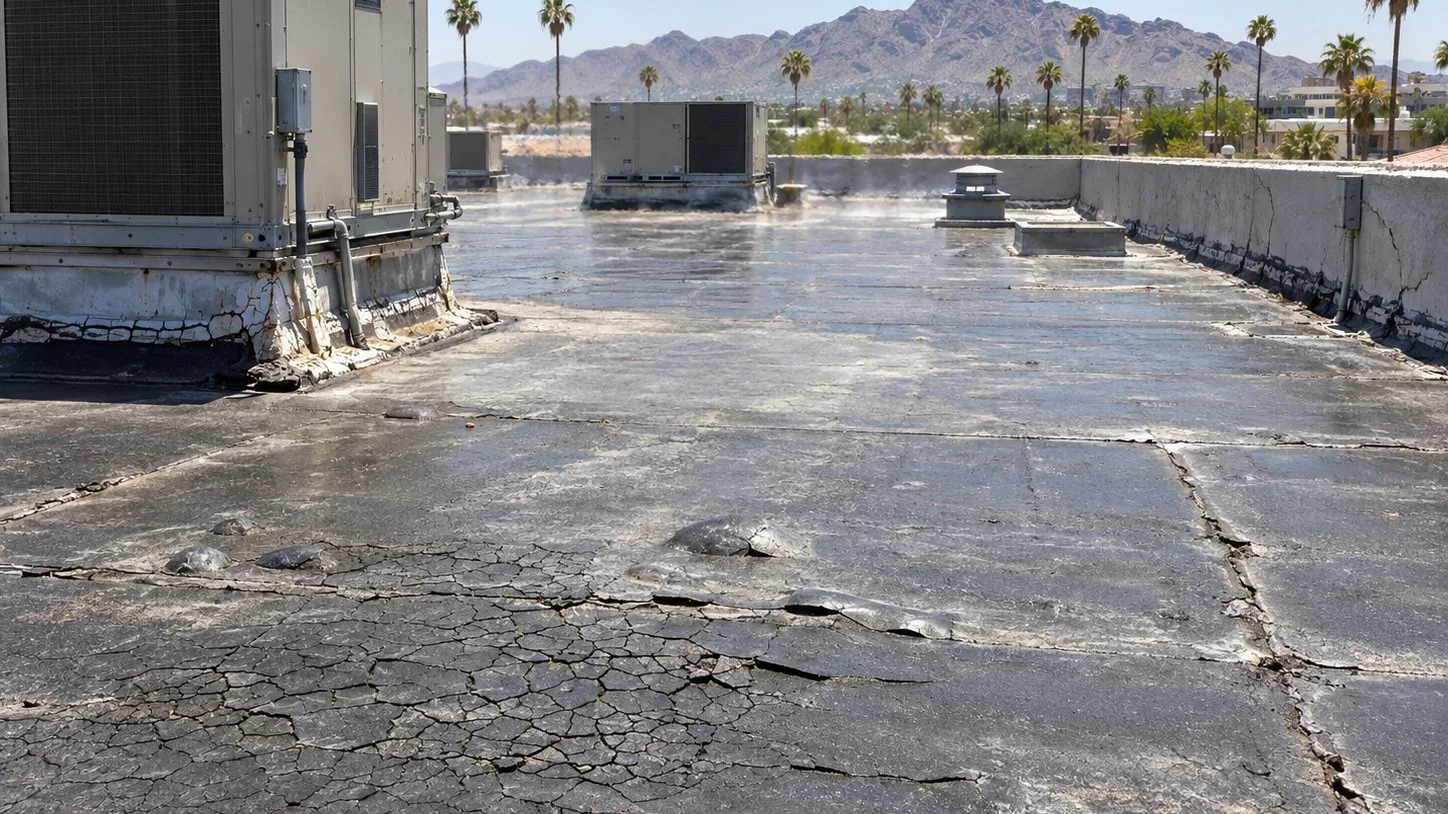
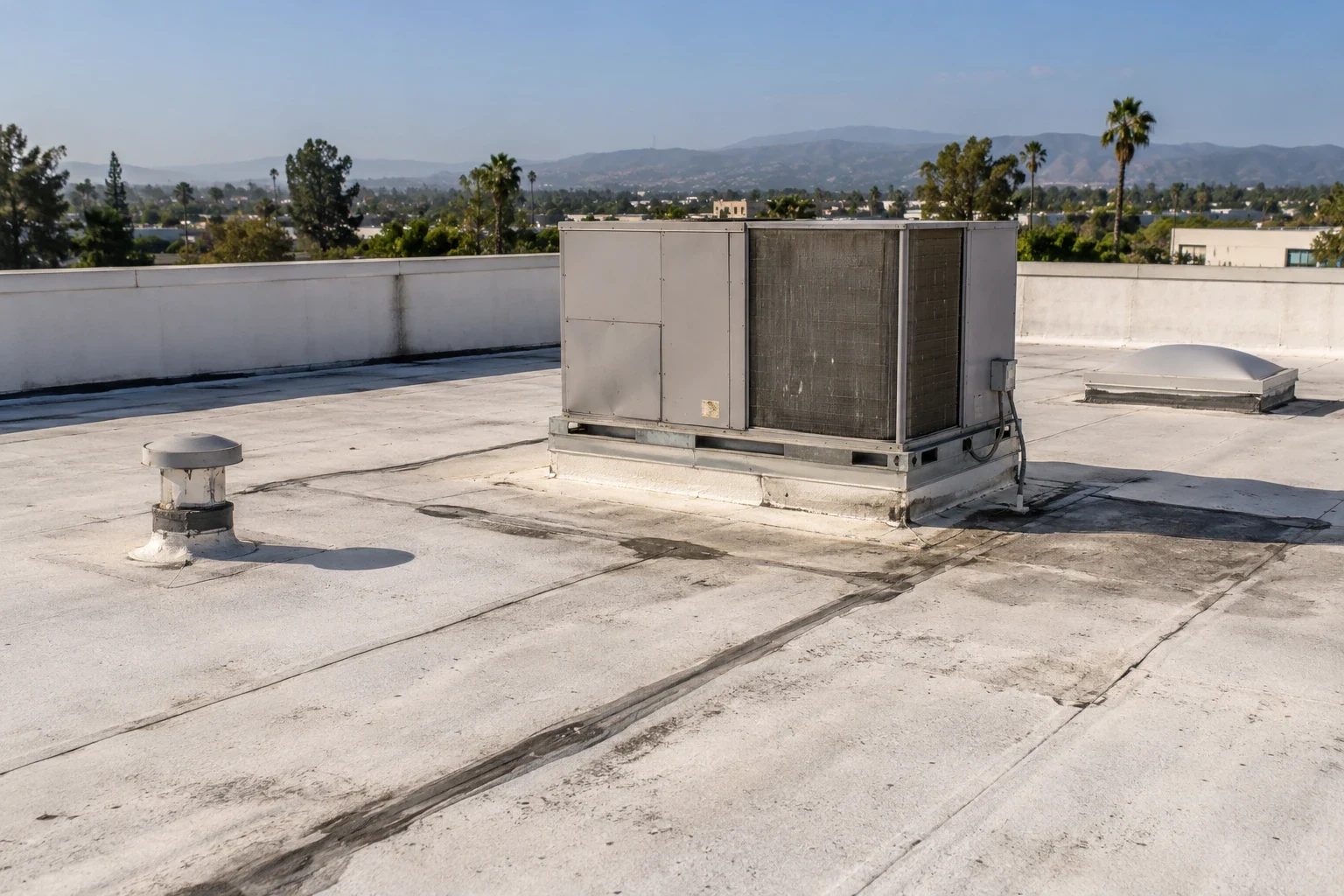
A big-box roof may include broad field areas, rooftop mechanical equipment, multiple drains, skylights, and edge transitions. The actual layout is confirmed on site. We inspect accessible seams, flashings, curbs, penetrations, drains, scuppers, and previous patches, then tie photographs to the plan. A drain path can cross a large area before reaching an outlet, so we note which section serves the reported room and where water may be diverted.
A shopping-center roof or grocery store roof may share some details but not the same operation. Receiving schedules, refrigeration, customer access, and interior stock protection are site-specific. The store representative confirms which routes remain active and who can authorize an opening or test before crews disturb a roof layer.
How do drains and curbs change the water route?
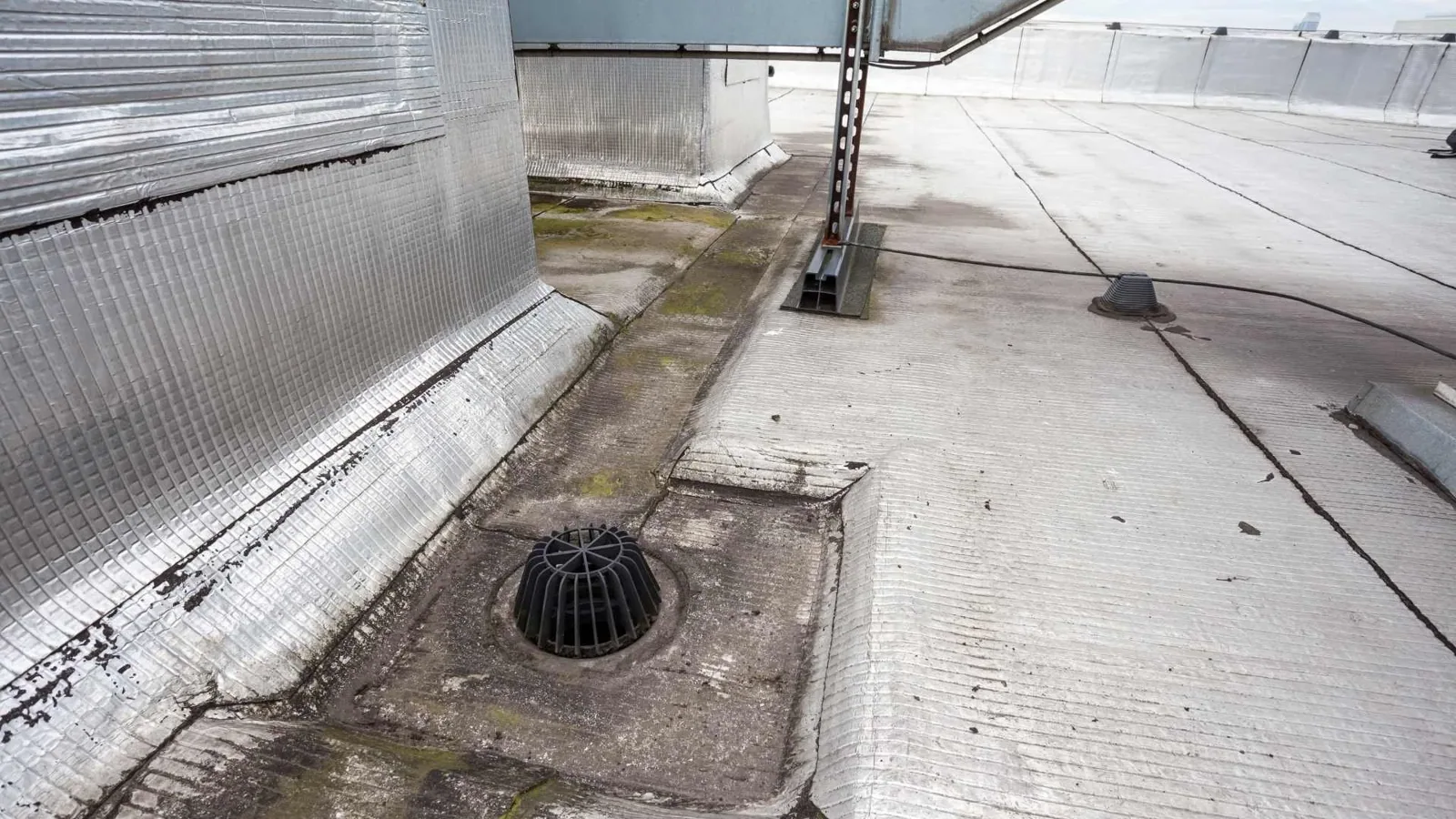
Water follows slope, seams, and transitions before it reaches a ceiling. We check the outlet, scupper throat, surrounding membrane, nearby curb, and the path leading toward the drain. Debris or a restricted outlet may affect flow, while an open seam near a curb can direct water beneath the surface. We record what is visible and avoid assigning the cause until the roof detail and interior report support it.
Where an overflow outlet or secondary path is present, note whether it is clear and whether the surrounding membrane remains connected. A clean primary drain does not settle a leak at an adjacent curb. The plan mark shows what was checked so the next maintenance visit can return to the same detail.
Big-box mechanical equipment can create multiple penetrations and service interfaces. We review curb flashing and nearby membrane for openings, splits, loose termination, or earlier patch edges. If another trade has recently worked in that area, the manager provides the work order so we can compare the date and location. A drain and scupper inspection can document outlet condition and any repair boundary in the same roof-zone index.
Where moisture beneath the membrane may extend beyond the visible defect, we identify whether a survey, sample, or authorized opening could change the scope. Interior protection should match the affected stock, equipment, or sales area. A commercial roof inspection can show the confirmed condition, areas reached, access limits, and test that remains necessary before a permanent recommendation.
What can stay open while roof work proceeds?
The property contact confirms roof access, escort, fall protection, staging, delivery timing, and customer paths before work begins. A lift or material pallet may affect receiving or parking, so the plan identifies where equipment can be placed and which route stays clear. If work is above the sales floor, the manager may need a temporary barrier, room closure, or interior protection. We list those conditions with the active roof mark so staff can communicate the operating impact.
Downtown Huntington Beach's retail streets have a pedestrian and bicycle orientation, while commercial access along Beach Boulevard and Five Points has other traffic conditions. A specific store's site plan governs its public routes; citywide corridor context is not a substitute for that plan. We confirm the approved entrance, delivery lane, customer detour, and emergency egress with the store contact. The work record notes any restriction and when it can be removed.
When water is active, emergency roof response establishes a temporary dry-in boundary and records what remains exposed. A larger project can use phased reroofing to set work zones and closeout points around an operating store. The actual sequence follows the access window and weather at the building.
Should a localized repair become a larger project?
The store proposal connects a marked roof section to the preparation and material needed for its correction. It also identifies omitted work and the inspection required at completion. Receiving hours, customer circulation, and equipment access can affect the sequence and price; removal layers, wet material, and disposal affect quantities. We distinguish measured work from amounts awaiting a permitted test. A repair over one department should not silently become a center-wide allowance if the evidence does not support that expansion.
Before a capital decision, compare the repair history by roof zone. A cluster of work orders around one drain path may justify investigating that drainage area; scattered isolated defects may support separate repairs. We mark which locations share a confirmed detail and which remain independent. That distinction helps an owner decide whether to authorize selective testing, address a group of related transitions, or prepare a larger scope with a documented boundary.
An overlay decision starts with dry, secure retained layers and adequate heights at store curbs, outlets, and perimeter transitions, then checks the proposed assembly against project requirements. Removing a failed store assembly also requires an assessment of the supporting deck and insulation. The daily opening must remain compatible with the protection arranged below for shoppers and stock. A replacement scope identifies removal and rebuild phases. If testing shows a larger wet area, the variance log records the added finding and approval before work moves beyond the original boundary.
Newport Beach Harbor's normal rainfall is concentrated in cooler months, and summer averages are near zero. Santa Ana events can bring warm, dry offshore winds and hotter coastal conditions. These patterns inform seasonal planning but do not establish a leak source. The site contact receives the work status, temporary protection limits, and any return check needed to close the store's roof file.
For a property within the broader Huntington Beach service area, keep roof plans, work orders, photos, and access contacts attached to the store rather than an area label. Closeout should show which seam, drain, curb, or edge was corrected and where the next inspection begins.
Commercial Roofing Questions
Can a big-box store keep receiving deliveries during roof work?
That depends on the approved staging and delivery routes. We coordinate with the store contact, identify a path that remains open, and record any temporary restriction before materials arrive.
How do you protect sales floor inventory below an active leak?
The store identifies affected stock and equipment. We document the room, agree on interior protection or access limits, and establish a temporary roof boundary before permanent repair is approved.
Should water beside one store drain lead to a full reroof?
No. We inspect the drain path, slope, seams, and nearby transitions, then report what is confirmed. If hidden moisture or repeated failures may change the scope, we identify the test needed.
Which completed details should our store roof file identify?
It should show the roof-plan mark, repair materials, final boundary, photographs, temporary measures removed or retained, approved changes, and any return check still due.
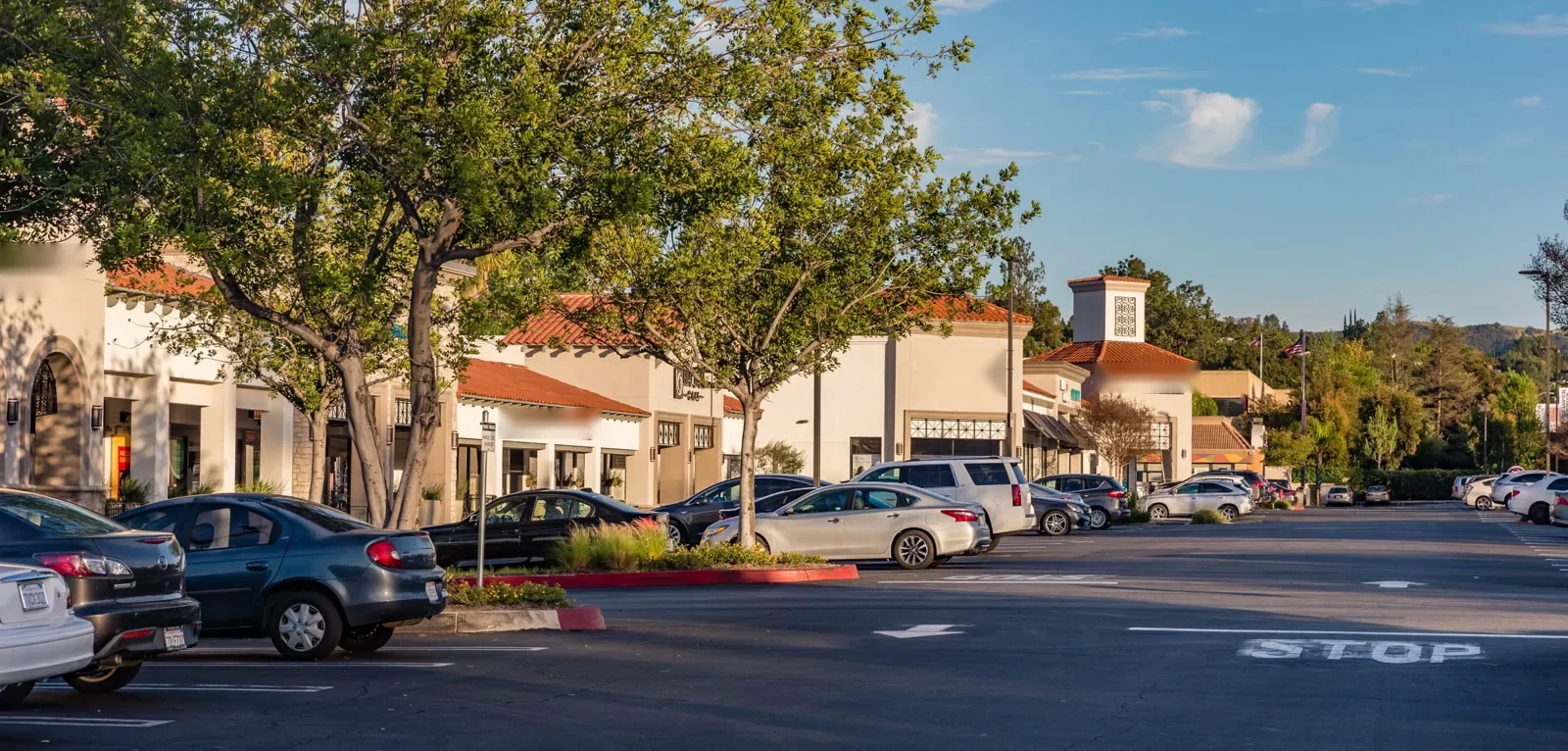
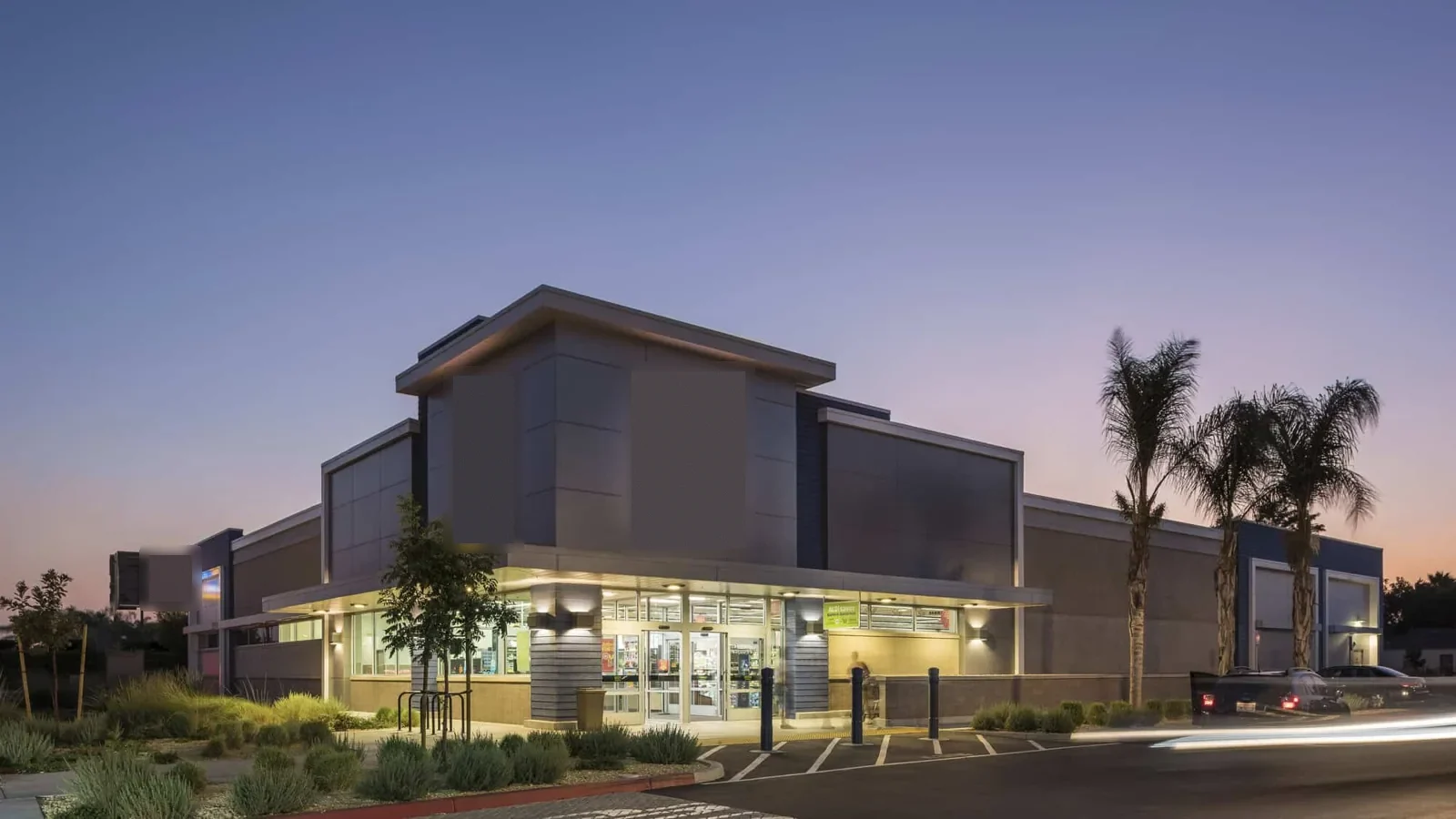

Proudly Serving Huntington Beach and Nearby Cities

Commercial Roofers Huntington Beach
Huntington Beach, Westminster, Seal Beach, Fountain Valley,
Garden Grove, Newport Beach and nearby Orange County cities