
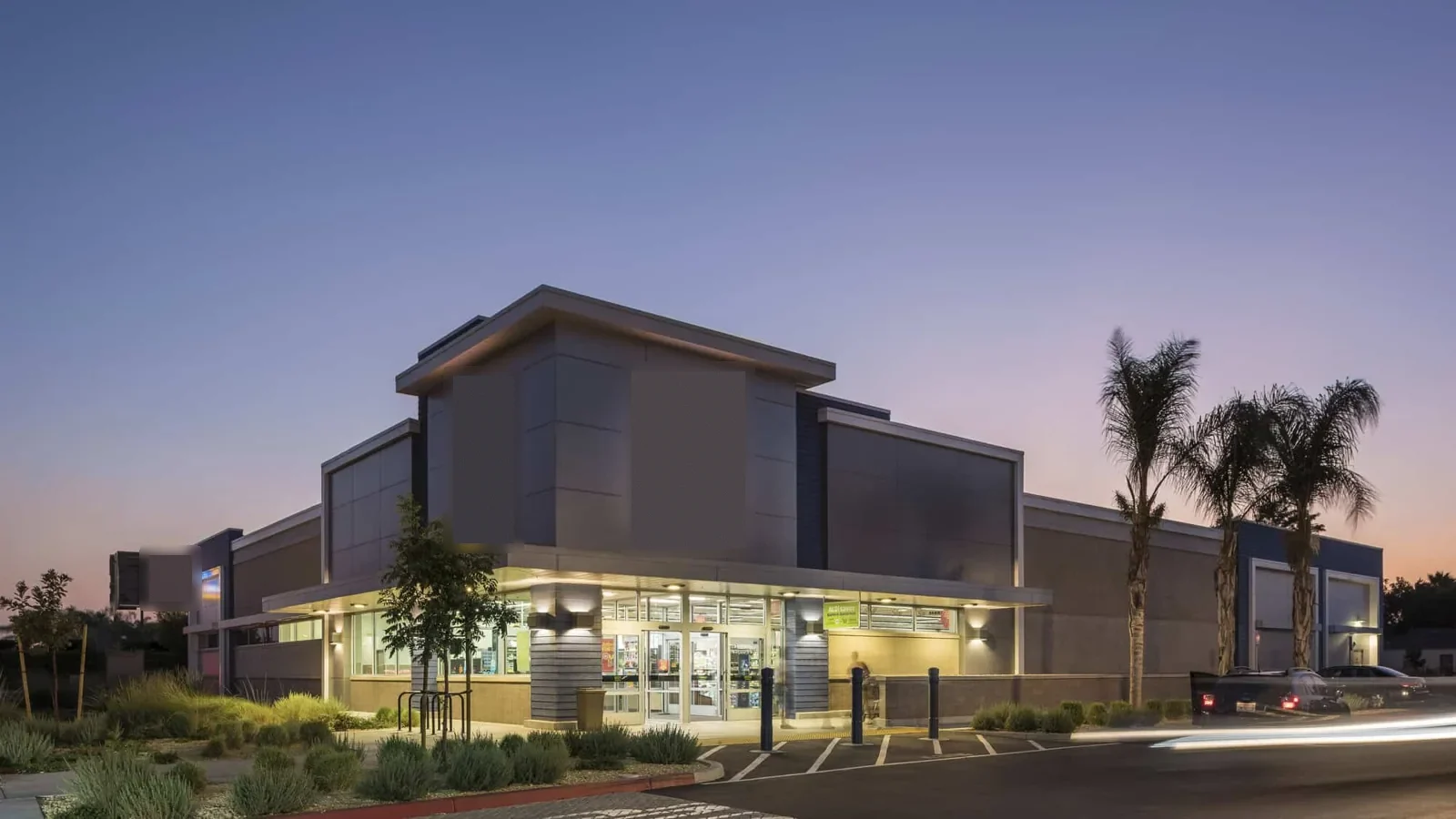
Grocery Store Roofing in Huntington Beach, CA
A grocery ceiling drip in Huntington Beach, CA, calls for safe interior protection and a marked roof location, especially around refrigeration or receiving. Commercial Roofers Huntington Beach inspects grocery-store roofs, traces water reports, and marks each repair area for the manager's approval. We coordinate roof access with store operations, identify interior protection needs, and distinguish temporary cover from permanent work. The record states which roof zone was reached and what decision remains before the next shift or delivery window.
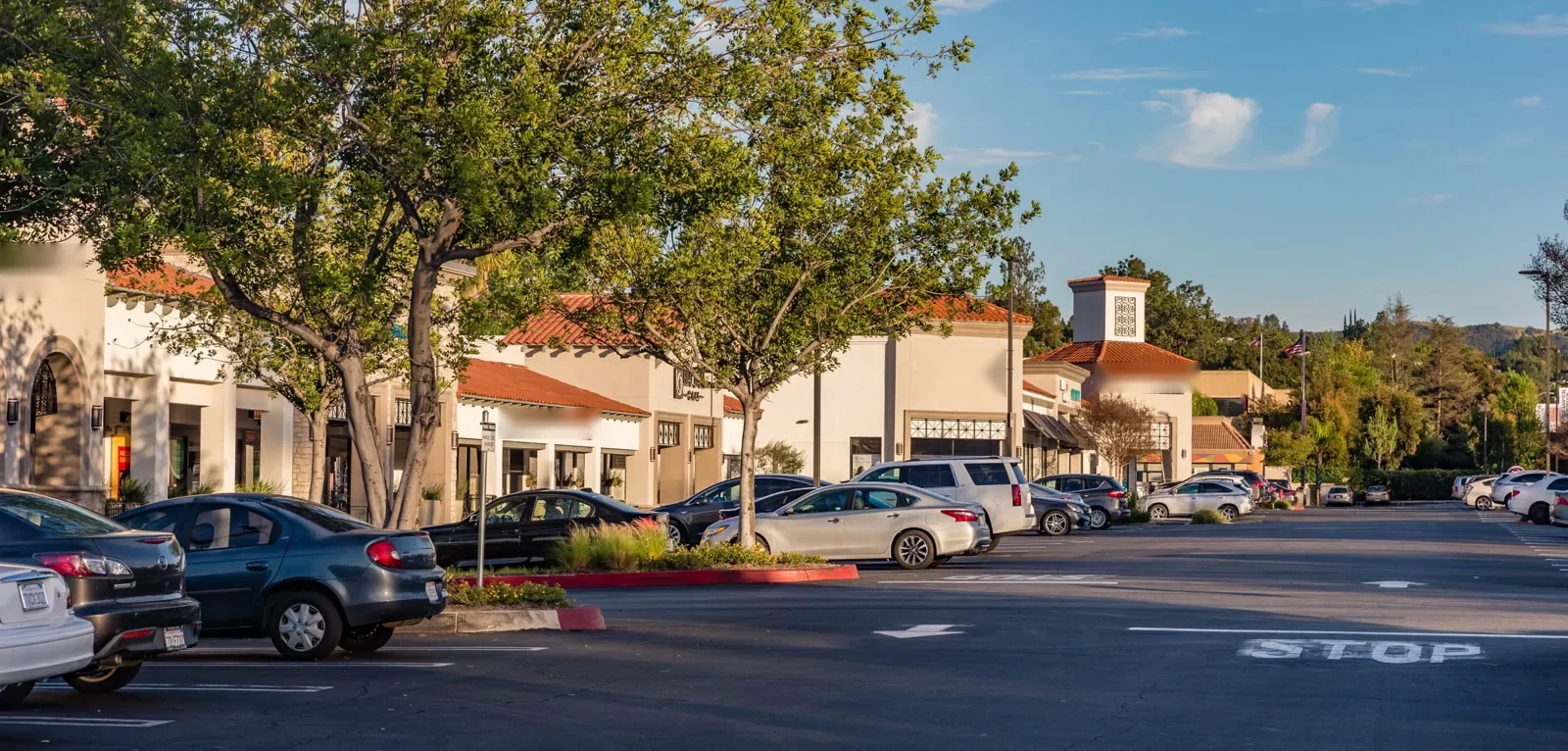
Retail frontage follows Huntington Beach arterials such as Warner Avenue, Edinger Avenue, Adams Avenue, and Beach Boulevard; the city also identifies visitor-serving activity around Five Points and the Pacific Coast Highway corridor. Those places help orient service routes, while each store sets its own receiving schedule, refrigeration access, and customer paths. Newport Beach Harbor normals show mild coastal temperatures and winter-concentrated rain. Current roof conditions determine the safe repair sequence.
Which store operation is affected by the leak?
The site contact identifies the aisle, back room, receiving zone, cooler or freezer area, time water appeared, and whether operations remain active below. We record these details before entering a roof area. The manager can move merchandise or restrict a space if safe and authorized. We coordinate interior protection with staff so a roof opening does not create an unplanned disruption in the area below.
We also ask for recent service records involving rooftop refrigeration or mechanical equipment. A vendor's work order can help identify a curb, conduit, or pipe that changed near the reported leak. The roof inspection still verifies the membrane and flashing connection. If the affected space and roof feature do not line up, we trace nearby seams, transitions, and drain paths before assigning a cause.
A shopping-center roof may have multiple tenants with shared access, while a restaurant roof may have different exhaust and operating-hour constraints. A grocery store's refrigeration and receiving contacts should be named in its own work order. The owner can then approve roof access and interior protection without asking a store employee to authorize a structural or membrane test.
During a store visit, identify whether the reported location is above a public aisle, receiving area, or staff-only room. The contact can set a path for ladders and tools that stays clear of restocking and customer movement. If a ceiling check is needed, we state who can open the room and what protection remains until it is released.
How do drains, curbs, and refrigeration lines affect the search?
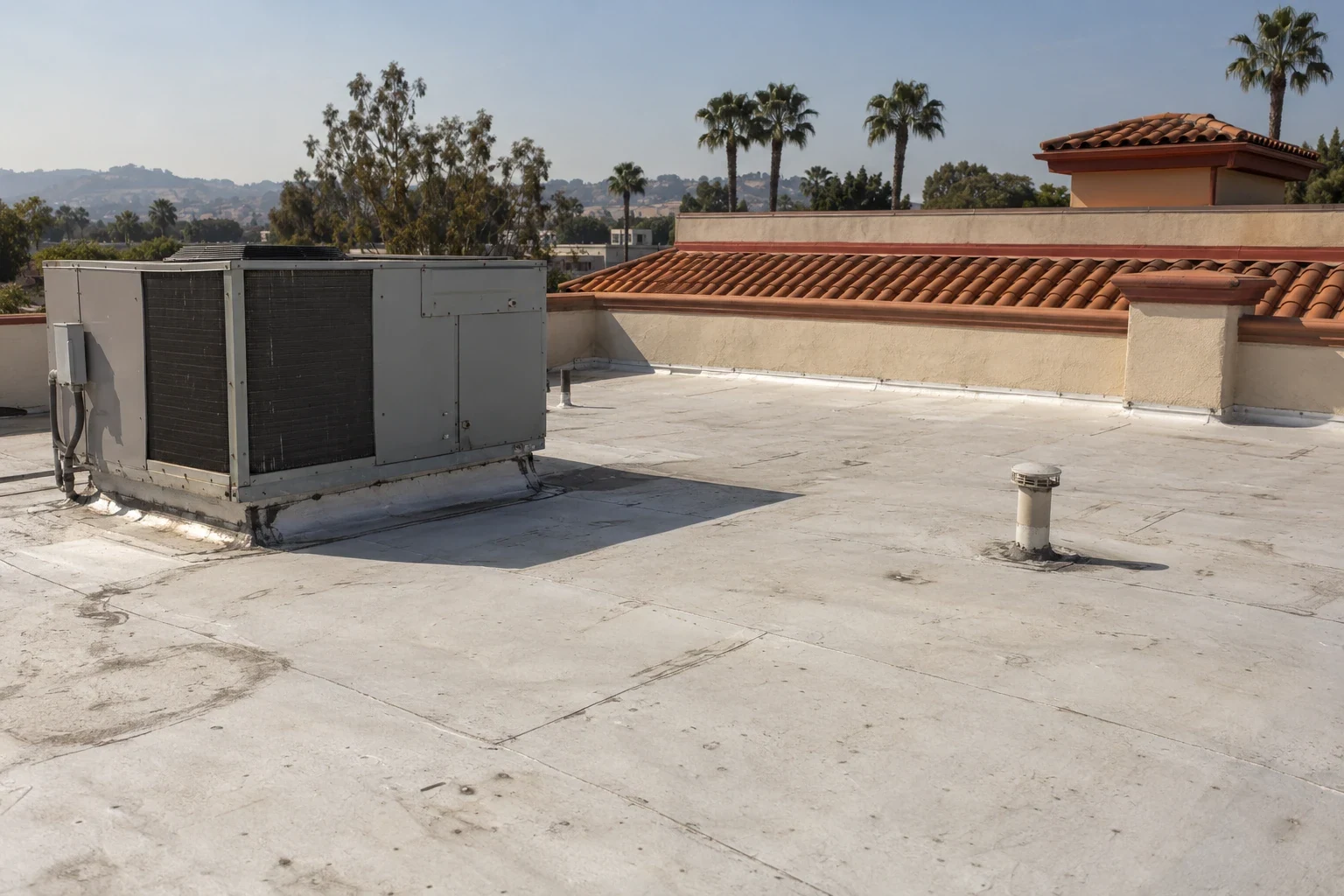
On the roof, we inspect accessible seams, flashing, curbs, pipe penetrations, drains, scuppers, and previous patches around the approved area. We mark the reported room and compare it with the slope and outlet path. Water may move beneath a roof membrane or along a transition before appearing above an aisle. A nearby refrigeration curb is a useful inspection point, but the observation must support the repair boundary.
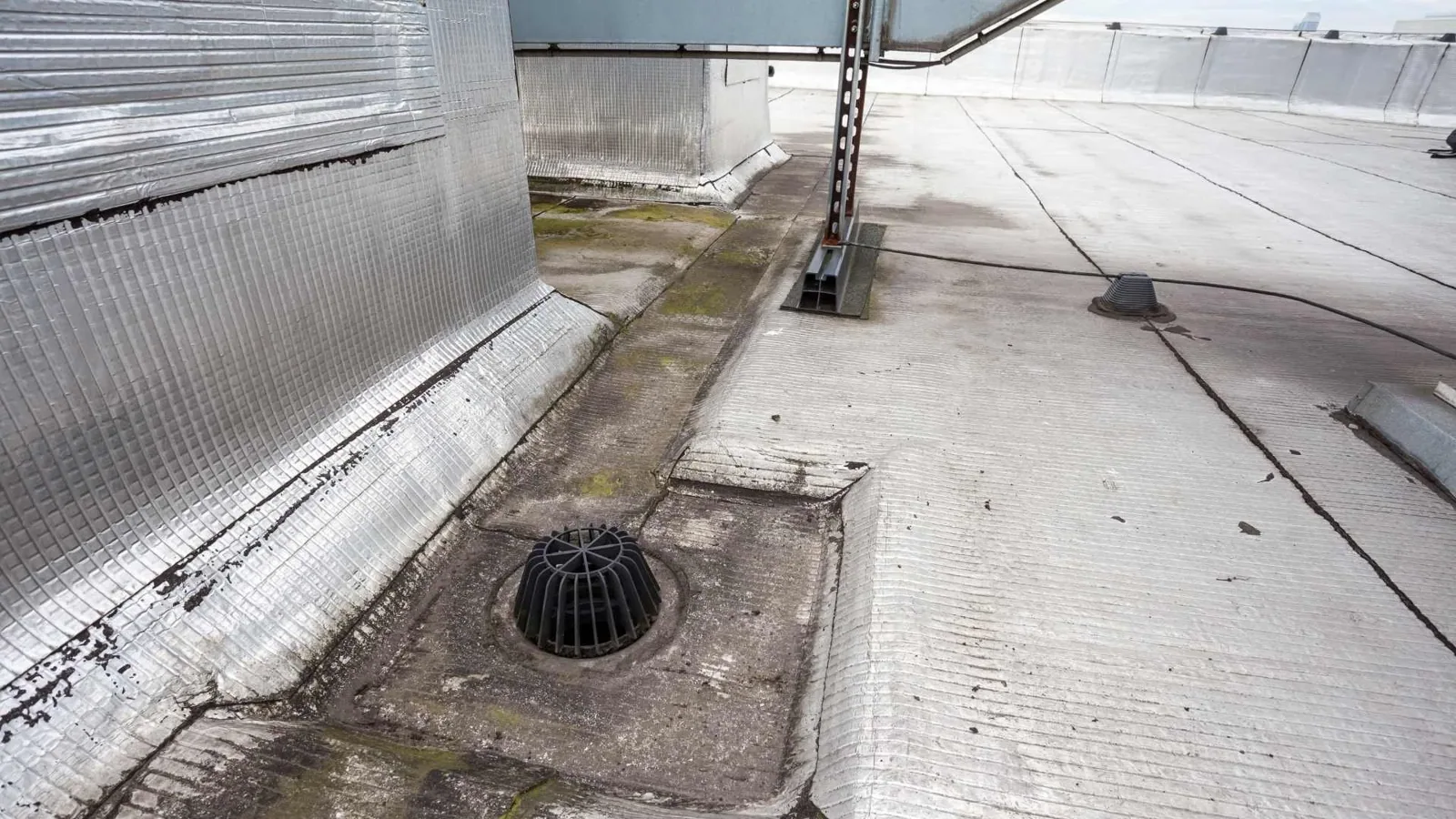
Drainage review includes the outlet, surrounding membrane, scupper connection, and the route leading to the low point. If the outlet is obstructed, the work record identifies what can be cleared and what flashing or membrane condition needs a separate correction. If a pipe or support has recently been serviced, we compare that work date and position with the roof mark. A drain and scupper inspection can document a defined outlet concern and its next approval.
Moisture below the membrane may extend beyond a visible opening. We state when a survey, sample, or authorized opening could resolve that question, then obtain approval before cutting or removing material. A commercial roof inspection records visible conditions, inaccessible areas, and the test needed if the repair area remains uncertain. The manager can use that record to separate confirmed roof work from an allowance that depends on hidden conditions.
Can the store remain open during the roof visit?
Often the inspection can fit around store operations, provided access and protection are arranged. The manager confirms rooftop entry, escort, lift placement, delivery times, customer routes, and the spaces below the active work zone. If stock, equipment, or employees need to move, the plan states the responsibility and time window. A roof task should not block receiving or fire access without a site-approved route.
Huntington Beach planning identifies pedestrian-oriented retail streets in Downtown and visitor-serving commercial activity near Pacific Coast Highway. That context makes public access worth checking, but each store's site rules control the work. The site contact confirms where material can be staged, which entrance remains open, and whether work must avoid a particular delivery or stocking period. We identify the dry-in boundary and the stop point before a membrane is exposed.
Newport Beach Harbor's normal rainfall falls mainly in cooler months, with summer averages near zero. A Santa Ana weather pattern can raise coastal temperatures as drier offshore air reaches the store. Those patterns may affect safe access and temporary cover, but the job forecast and roof surface determine the day's work. For an urgent leak, emergency roof response documents immediate protection. A phased reroof can sequence larger work around operating hours.
What should a grocery roof estimate include?
The grocery proposal maps the work to a specific roof zone and describes how that zone will be prepared, repaired, and checked. Refrigeration access and protection for stocked aisles affect scheduling. Equipment support, the thickness of removed layers, disposal, and concealed moisture can affect the cost. Each unresolved quantity is identified with the test needed to settle it; excluded work stays visible to the manager. This prevents one leak call from turning into an unbounded allowance for every rooftop unit.
Before retaining a grocery roof beneath an overlay, we check dryness, attachment, load considerations, outlet elevations, and clearance at refrigeration curbs against the proposed design. Replacement may require removal, insulation or deck review, and staged protection that fits the store schedule. A recover assessment evaluates the limits of retaining the current roof; a replacement scope defines removal and rebuild work. If refrigeration service or a hidden wet area changes the plan, the variance log records the condition and approval before added work.
Closeout ties installed material, photos, approved changes, and a return check to the original roof mark. For several stores, a roof asset record can show priorities without combining their conditions. Keep the file with the property's roof plan and equipment service history so the next manager can tell which detail was checked and what remains open.
When more than one roof zone needs work, the proposal can separate the active leak from maintenance items that can be scheduled later. The store manager sees which task affects receiving, which requires equipment coordination, and which can proceed without closing a sales area. Each item carries its own marked quantity, approval, and closeout photo.
Commercial Roofing Questions
What information helps trace a grocery-store leak?
Identify the aisle or work area, time of water entry, equipment nearby, roof access contact, and recent service work. We compare those details with the roof plan and mark the area inspected.
Can refrigeration work cause a roof leak?
Service near a curb or line can be relevant, but the roof detail must be inspected before assigning cause. We compare the service record with the flashing, penetration, seam, and adjacent drainage path.
Who identifies stocked aisles that need protection beneath the work?
The store contact identifies the affected stock, equipment, and aisle. We document interior protection and access limits before establishing a temporary dry-in boundary above the area.
When is testing needed before estimating permanent work?
Testing is useful when hidden moisture could change repair extent or renewal choice. We identify the location, method, access, and approval needed before opening the assembly.


Proudly Serving Huntington Beach and Nearby Cities
Commercial Roofers Huntington Beach
Huntington Beach, Westminster, Seal Beach, Fountain Valley,
Garden Grove, Newport Beach and nearby Orange County cities