
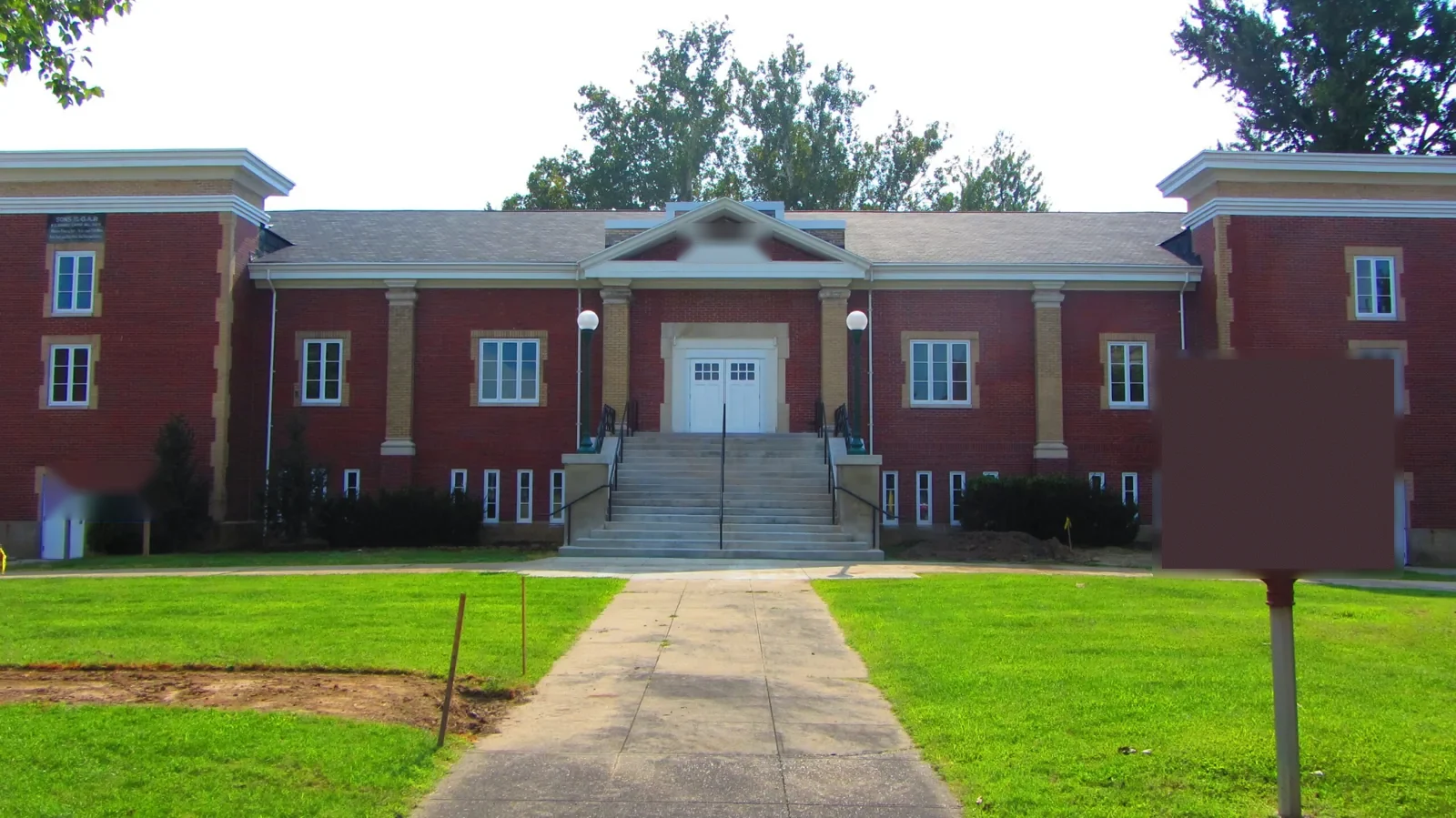
National Guard Armory Roofing in Huntington Beach, CA
A ceiling leak before drill activity needs a room-level protection plan and a roof access interval that will not consume the training space. We establish the reported location, keep personnel clear of unsafe ceiling areas, and identify the permitted inspection route. Commercial Roofers Huntington Beach repairs, restores, and replaces commercial low-slope and metal roofs serving Huntington Beach, CA. Armory work adds a specific scheduling task: matching the roof phase to the facility's training and readiness use.
The California Army National Guard lists armories in Santa Ana, Fullerton, Orange, and Long Beach. Its facilities program supports administration, training, and readiness, with drill-floor and support-space needs described at the statewide level. We begin each project with the actual room layout and operating calendar supplied by the facility contact. A kitchen, office, or drill area may require a different protection step even where the roof above those rooms shares one membrane.
Which spaces must be ready for the next drill?
A drill period can place equipment, personnel, and instruction in rooms that were quiet during the inspection. We confirm the calendar before scheduling removal and identify the pathways that must remain usable. Lifts, material pallets, and disposal containers are located through the approved staging plan, with access to entries and designated movement routes preserved. An interior restriction is agreed with the facility contact before overhead work begins.
At a support space, the roofing method can affect ventilation and service continuity. We identify equipment curbs, intakes, exhausts, and the trade contact for a necessary interruption. Administrative building roof work emphasizes occupied offices and entry routes; equipment-storage roof work considers the movement and protection of stored items. The armory's current use determines which concerns enter the daily plan. We keep that connection visible in the proposed roof-zone sequence.
What does the leak report tell us to inspect?
A report from a drill floor should identify the ceiling area, time of appearance, and nearby equipment or wall. We compare it with the roof slope and the closest seams, curbs, drains, and wall transitions. A roof can send water across insulation or framing before it reaches the occupied room. The investigation therefore establishes a plausible route and tests the detail that will change the repair choice rather than patching directly above the stain.
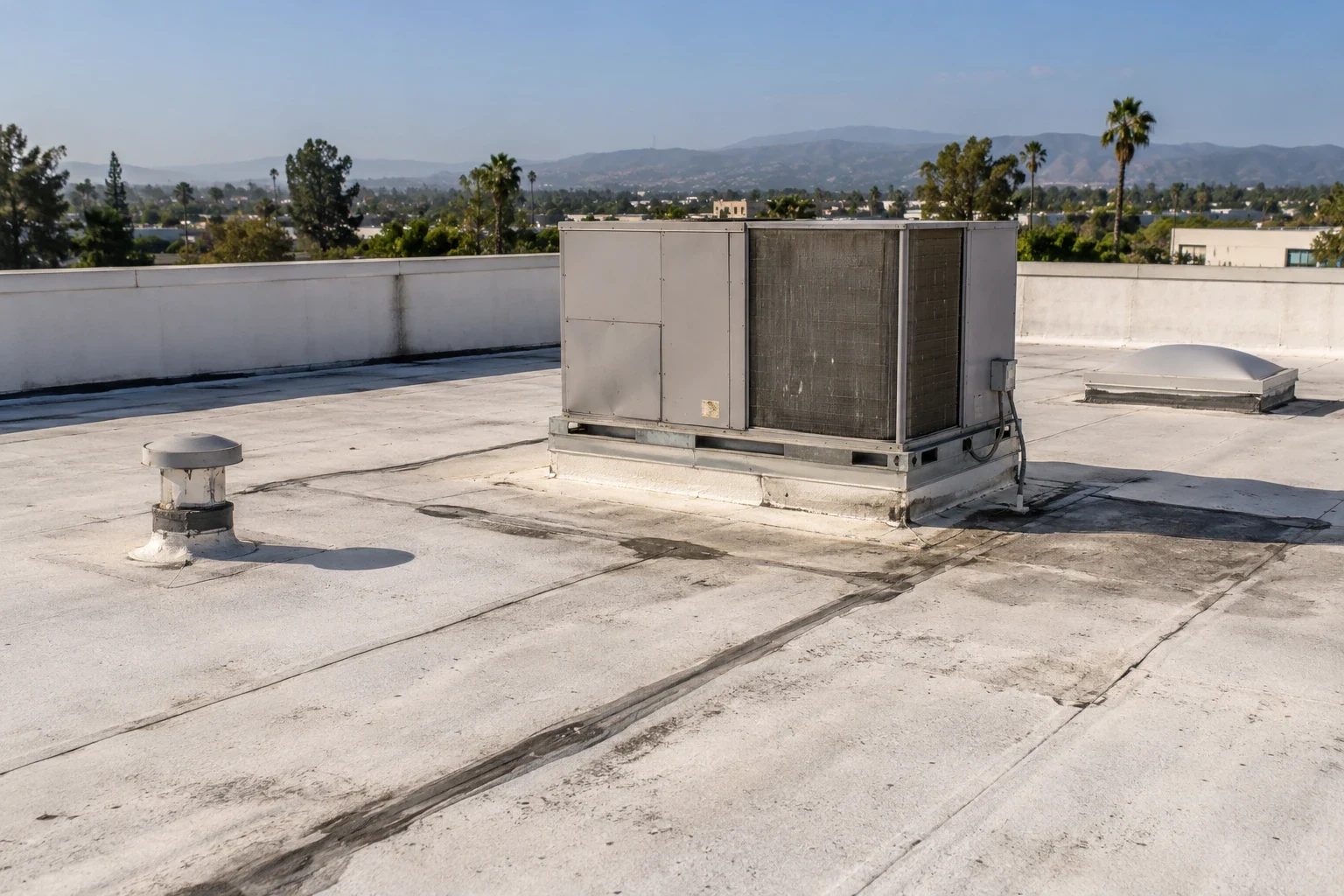
Open flashing, accumulated debris, a membrane puncture, and deteriorated metal are recorded as separate conditions. With an armory roof inspection, we mark the relevant observations on the roof diagram and distinguish accessible findings from concealed layers needing examination. Where a test opening is authorized, the plan includes interior protection and resealing. The completed report ties the repair extent to the defect found and identifies the condition that should be monitored after rain.
How should the work window respond to weather?
Newport Beach Harbor normals show a cooler coastal baseline with rain concentrated in winter and very little summer precipitation. Those observations help time Huntington Beach roof preparation, while an inland armory needs its own forecast and surface-condition check. We examine moisture at the actual roof, confirm installation temperatures, and allow the specified curing time. A dry-looking surface may still need preparation or concealed-moisture investigation before a coating or new membrane is installed.
Santa Ana has industrial, flex-industrial, office, and commercial land-use designations across its developed districts. Access and delivery planning there still depend on the affected property and its approved gate route. A Santa Ana wind event is a regional weather condition that can bring warmer, dry offshore winds, with practical implications for lifts and loose materials. We check the day's conditions and reduce the opening size if closure or material handling becomes unreliable within the available shift.
Will a patch preserve the armory's usable space?
A well-defined opening surrounded by sound roofing can support a repair that restores the failed detail without opening a large interior area. We inspect its backing and tie-in material, remove affected layers where necessary, and describe the compatible replacement detail. Repeated leaks may come from several isolated defects or a broader assembly problem; moisture extent and attachment condition help distinguish those possibilities.
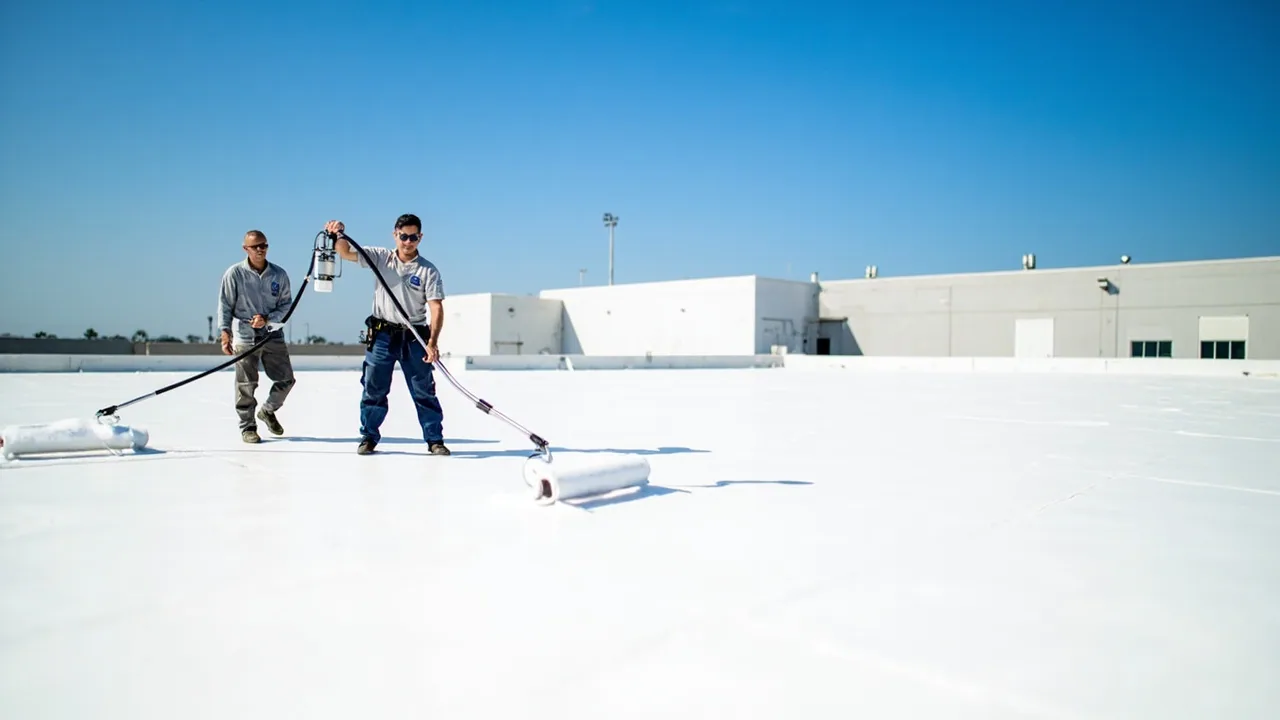
A coating requires sound, suitable roofing and the preparation specified for the product. Wet insulation, loose laps, or weakened attachment must be corrected separately. A roof coating restoration scope identifies those repairs alongside cleaning, adhesion checks, flashing treatment, and application conditions. Where replacement is appropriate, the design addresses deck condition, insulation, cover board, attachment, drainage, and equipment heights. We compare the work area and interruption required for each option with the next drill period.
Armory projects can carry state or federal design and contracting requirements. Applicable Unified Facilities Criteria, project drawings, and product details are reviewed for the specified work. An existing-condition conflict is submitted through the approved review process before changing material or attachment. That decision also accounts for the effect on scheduling, removal quantities, and daily closure.
What must be closed before the training rooms reopen?
The phase ends with a weather-tight boundary, secure materials, and a usable drain path. We size removal to include preparation, installation, flashing, and cleanup during the approved access period. Overhead hazards and interior protection are reviewed before rooms return to their planned use. A temporary cover is identified separately from finished roofing, including the responsible contact and next inspection action.
Phased roofing over active rooms lets the facility coordinate sections where practical, but a shared mechanical connection may require a wider interruption. We explain that relationship before scheduling the work. Delivery screening, escorts, and photography restrictions are confirmed with the designated authority, and the work record remains within the approved information procedure. A changed drill calendar leads to a revised phase, with protection maintained while the next opening period is established.
How will the facility track the next maintenance step?
A roof report should let the next maintenance contact locate the same detail quickly. We label the building and roof area, identify repaired flashings or seams, and record remaining observations with their practical implications. Roof renewal planning can separate urgent leak correction from a later assembly project, helping the facility coordinate that work with readiness activities rather than treating every report as a complete replacement decision.
After a repair, the handoff establishes who receives a new interior report and when a return check is useful. The roof closure, outlet condition, and completed details are checked against the installation requirements before releasing the phase. Urgent response can be coordinated during evenings, weekends, or holidays through the approved entry contact. The initial call should identify the occupied room and its next scheduled use so protection and inspection address the immediate operating need.
Commercial Roofing Questions
Can the roof be worked on between two scheduled drill weekends?
The available interval must accommodate the full roof phase, including access, material delivery, removal, and closure. We inspect the condition and identify a manageable repair area first. If renewal exceeds that interval, we propose protected phases or interim work with a clear follow-up date.
How do kitchen exhausts affect an armory roof repair?
Exhaust equipment introduces flashing and ventilation coordination near the work area. We examine curb transitions and membrane condition, identify the equipment contact, and agree on any interruption needed for safe preparation and installation. The affected room is included in the protection plan.
Is a coating appropriate after several drill-floor leaks?
Leak history prompts an assembly review before coating selection. We locate failed details, check moisture and attachment, and identify required repairs. A coating is considered only where the existing roof and preparation conditions can support the specified system.
Which handoff information helps a rotating facility contact?
Building identifiers, a marked roof diagram, repaired-detail photographs where permitted, and the remaining action list provide continuity. We also identify temporary measures and monitoring responsibility so a later contact can distinguish completed work from the next scheduled repair.
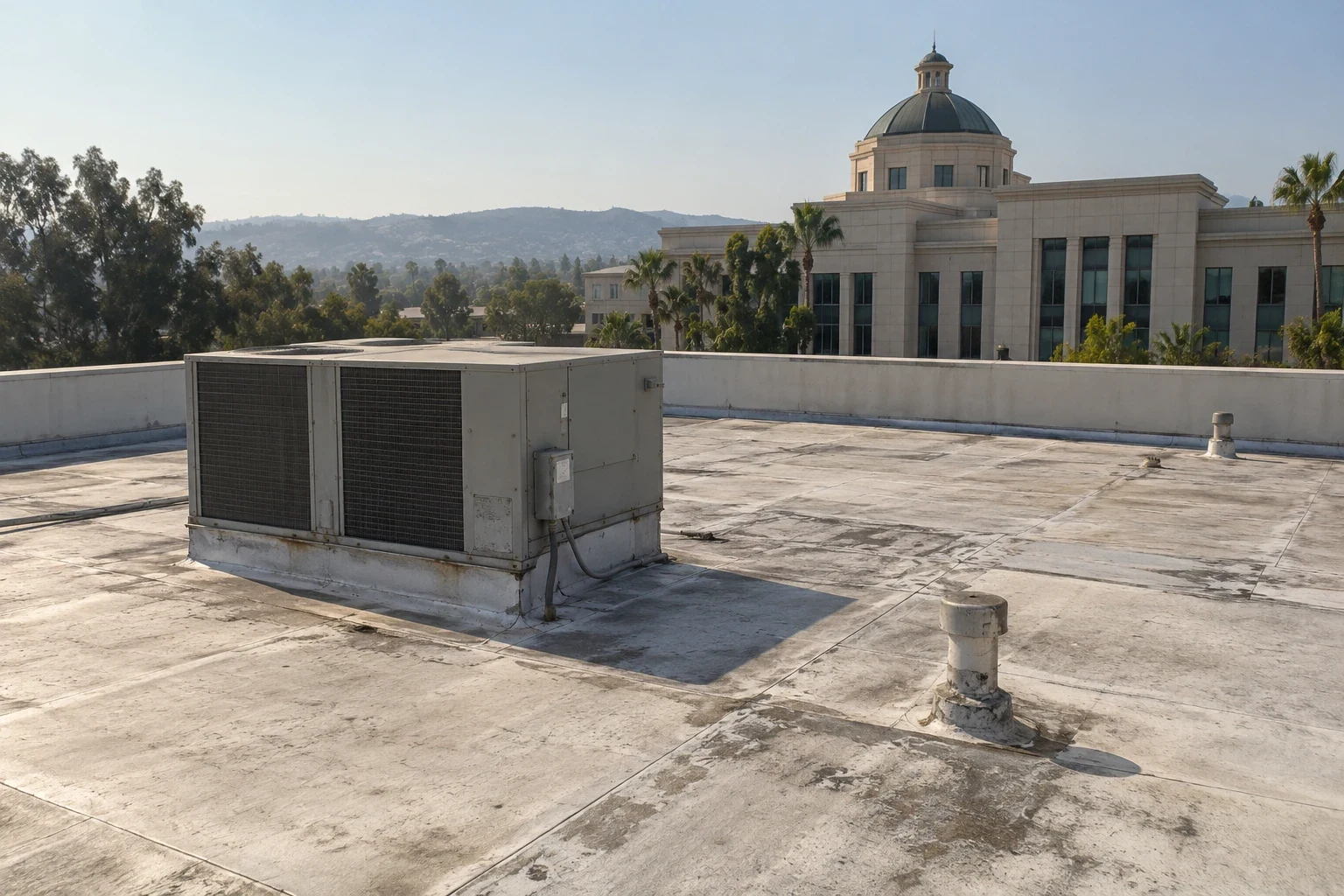
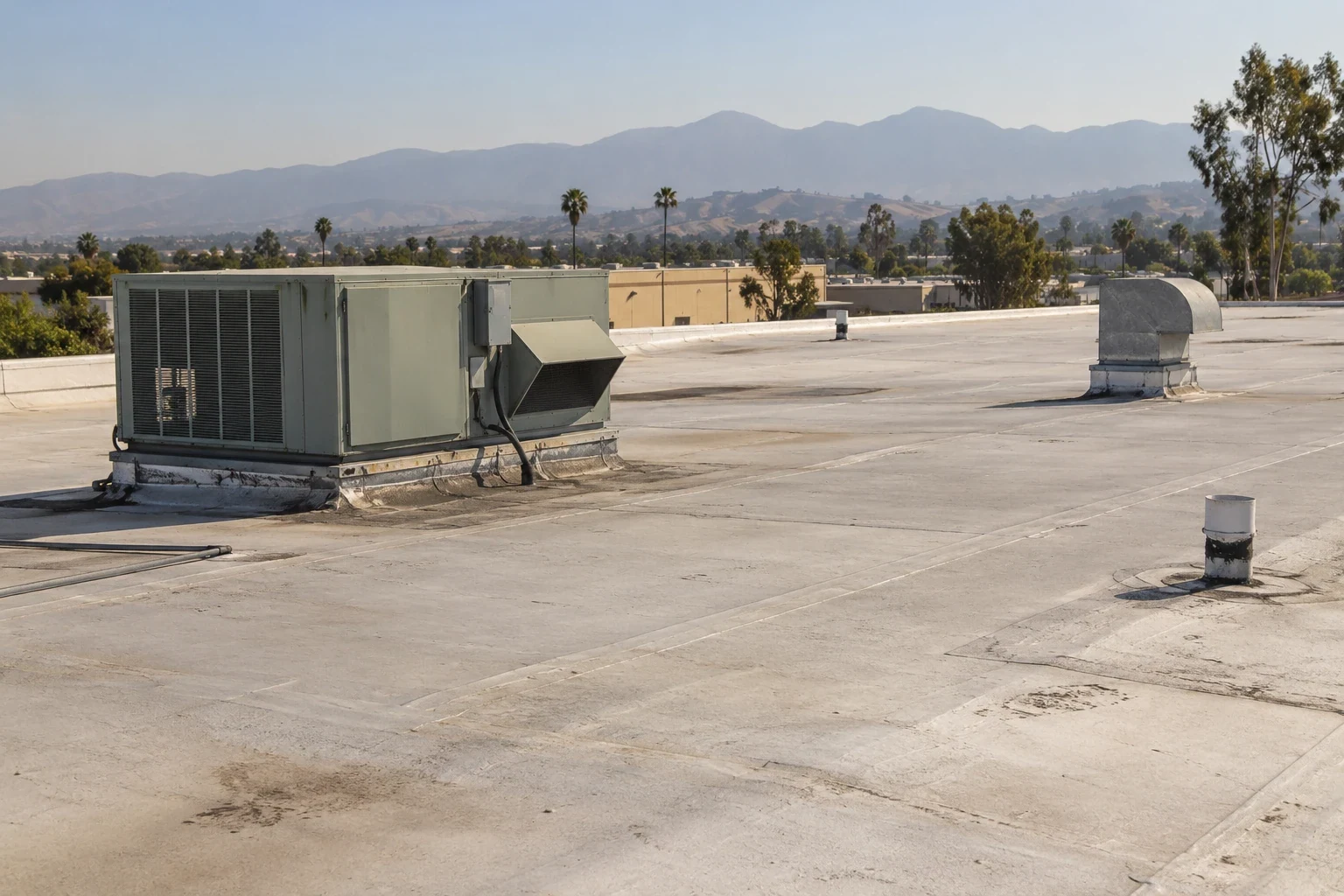
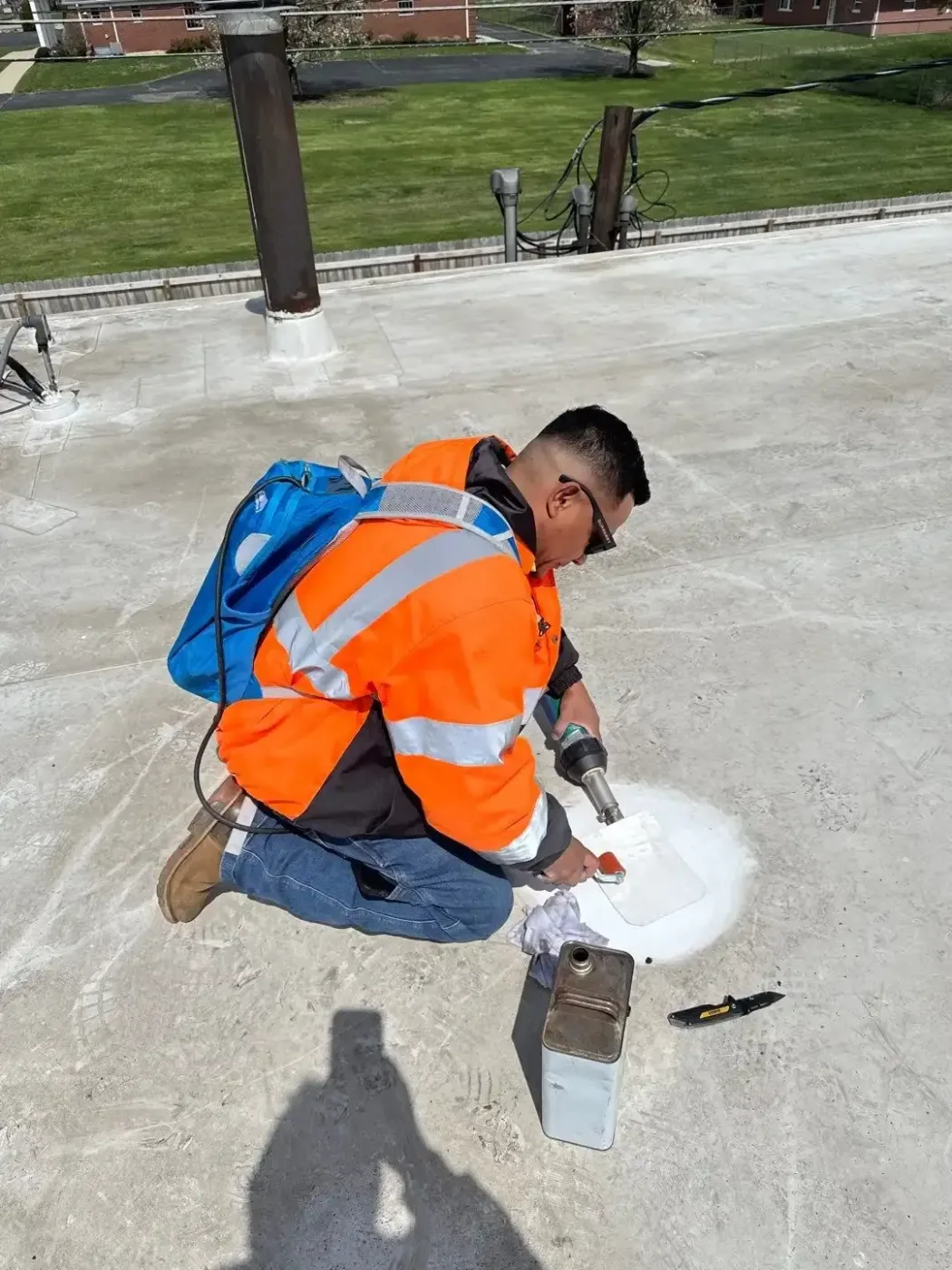

Proudly Serving Huntington Beach and Nearby Cities
Commercial Roofers Huntington Beach
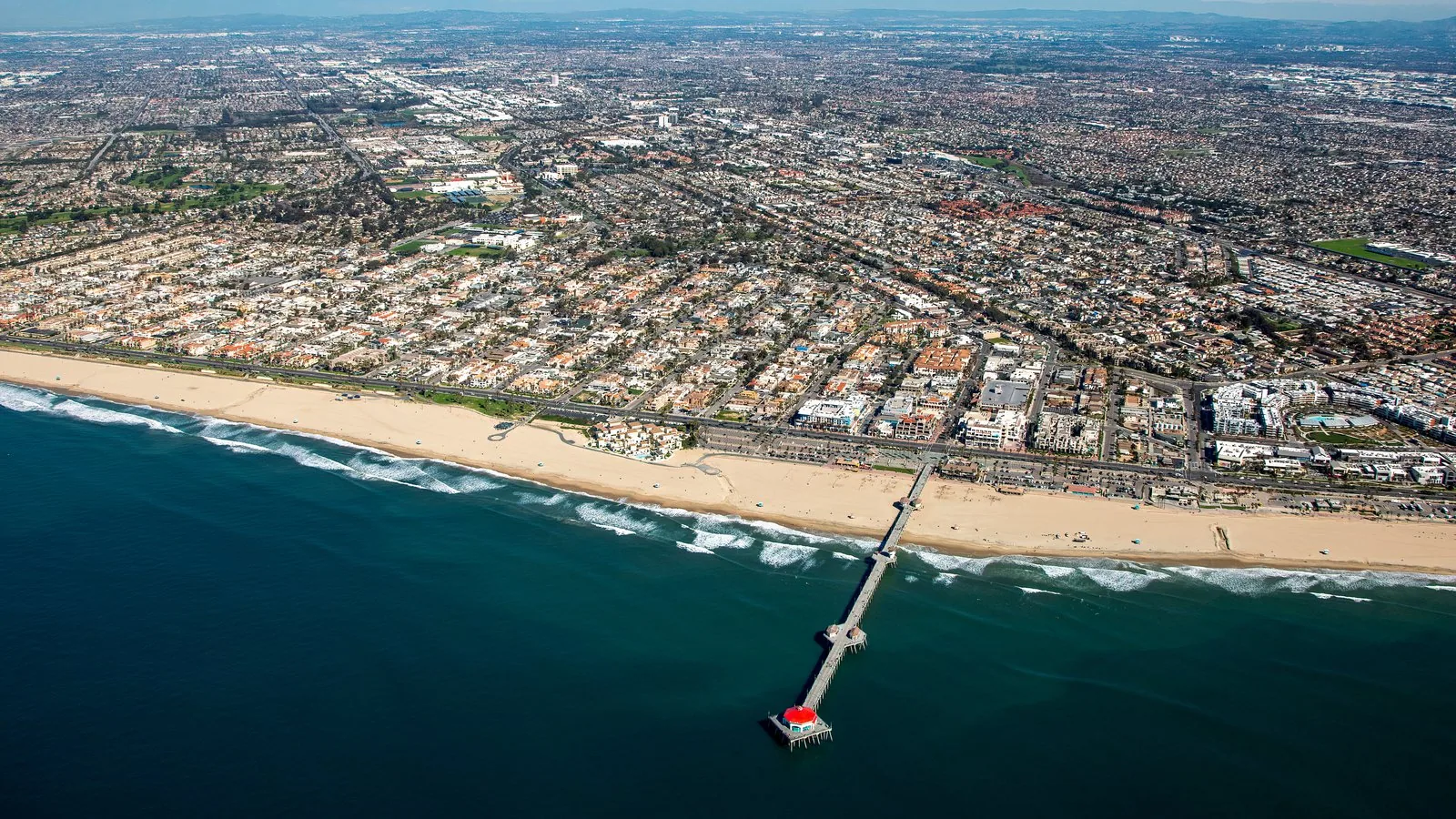
Huntington Beach, Westminster, Seal Beach, Fountain Valley,
Garden Grove, Newport Beach and nearby Orange County cities