
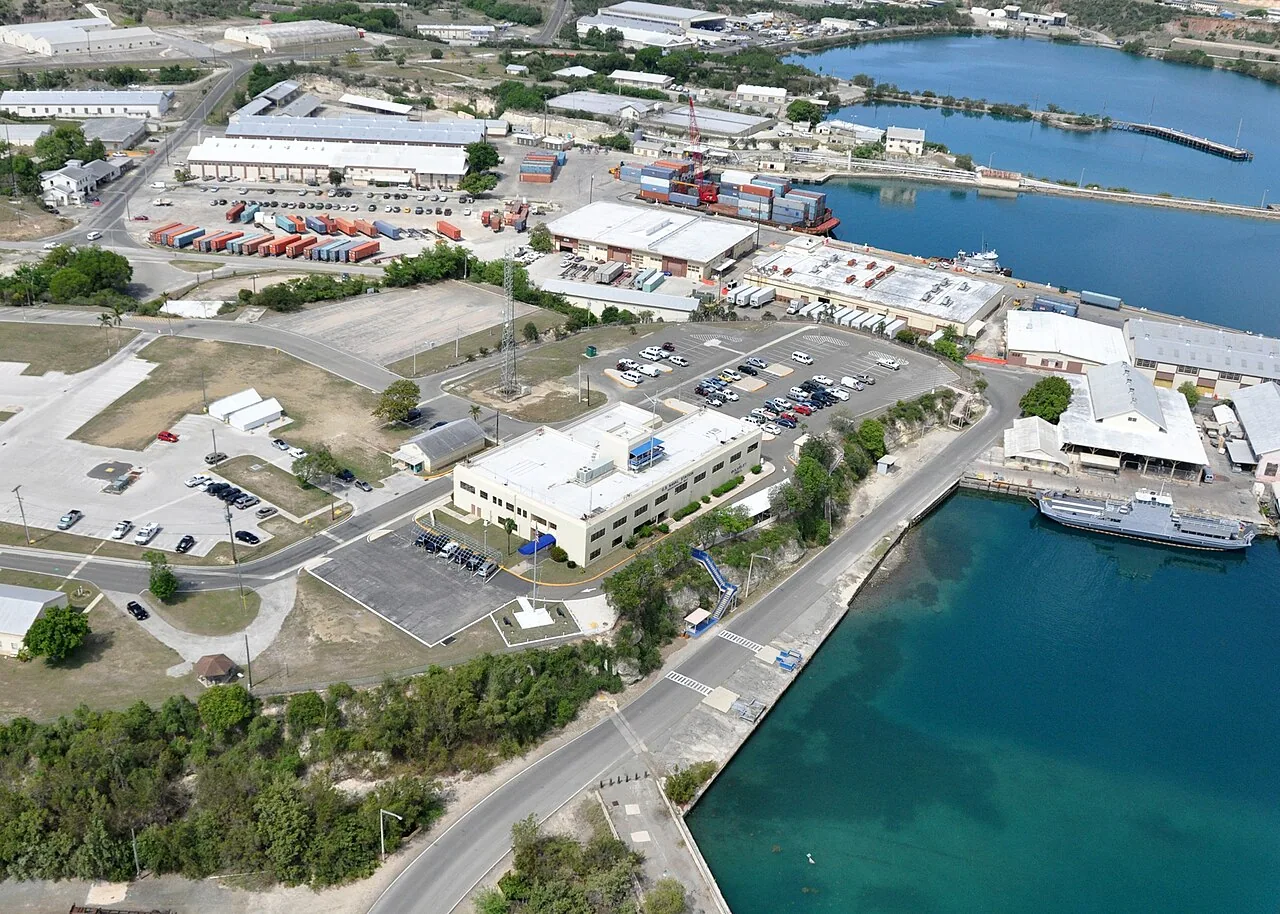
Naval Facility Roofing in Huntington Beach, CA
Water near a naval support storage area calls for a controlled inspection boundary and an immediate report to the facility authority. We identify the affected building, keep personnel clear of overhead hazards, and arrange a safe roof approach before disturbing any material. Commercial roofing work serving Huntington Beach, CA includes repairs, moisture investigation, drainage correction, and replacement of low-slope and metal systems. On a naval project, the approved operating restrictions are part of the roof sequence from the first visit.
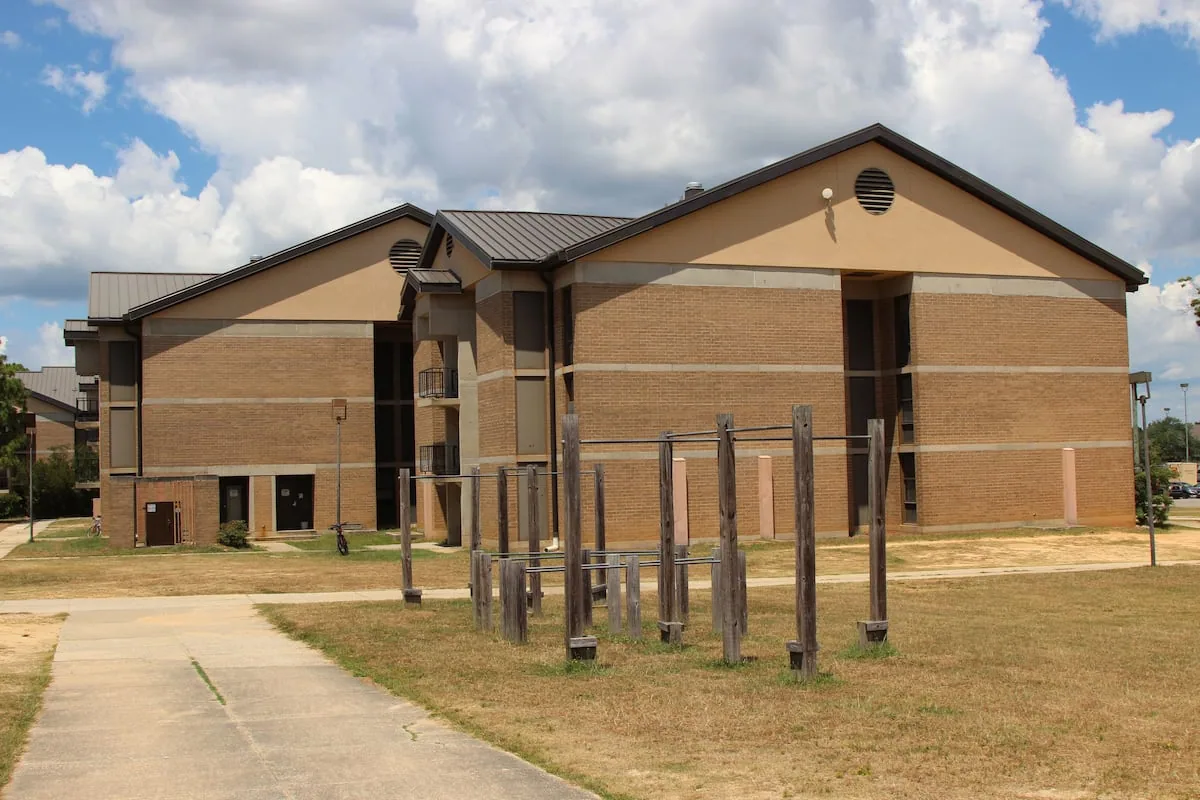
Naval Weapons Station Seal Beach supports Pacific Fleet weapons storage, loading, maintenance, and assessment. Those functions place a strong emphasis on locating the exact affected support space and preserving the required movement routes. The installation also has family and unaccompanied housing, which introduces a separate occupied-building need. We connect the roof condition to the building named in the work scope, then establish the inspection and protection that its use requires.
Which support activity is closest to the roof defect?
A roof drawing alone will not identify the interior protection needed over a working support area. The designated contact establishes the space use, authorized access, and activities that must remain clear. We compare the reported leak location with roof features without handling stored materials or expanding into a restricted area. If ceiling access is required, the project team coordinates it with the appropriate facility staff before the investigation proceeds.
Water above storage can require moving or covering affected items under the facility's procedure. A roof above offices presents a different concern: desk occupancy, equipment service, and entry circulation. For naval storage roof work, the receiving and movement routes help define staging. For unaccompanied housing roof work, room protection and resident schedules guide the phase. We establish which of those operating needs applies to the actual building and keep the other activities outside the work zone.
Where could rain reach the protected interior?
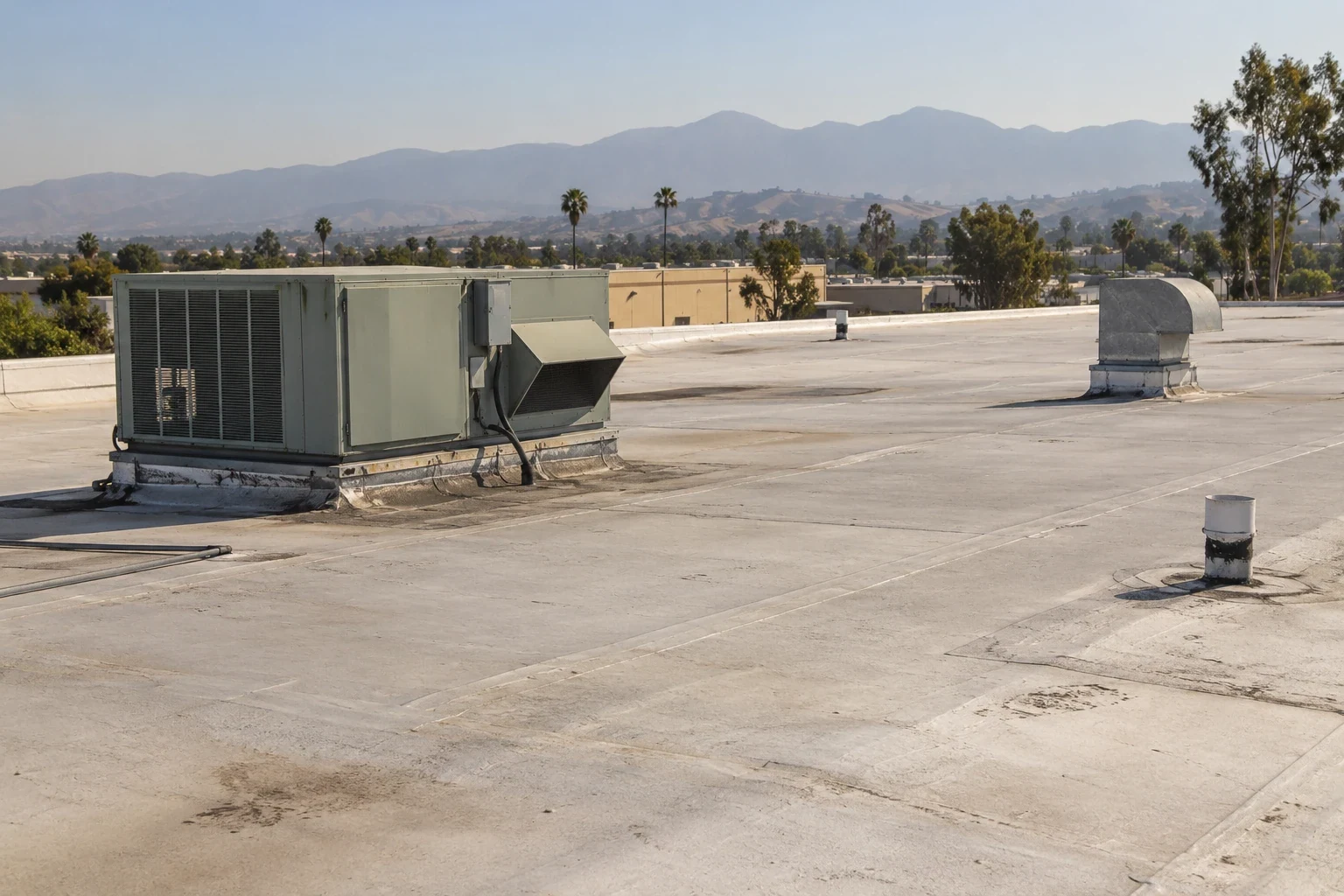
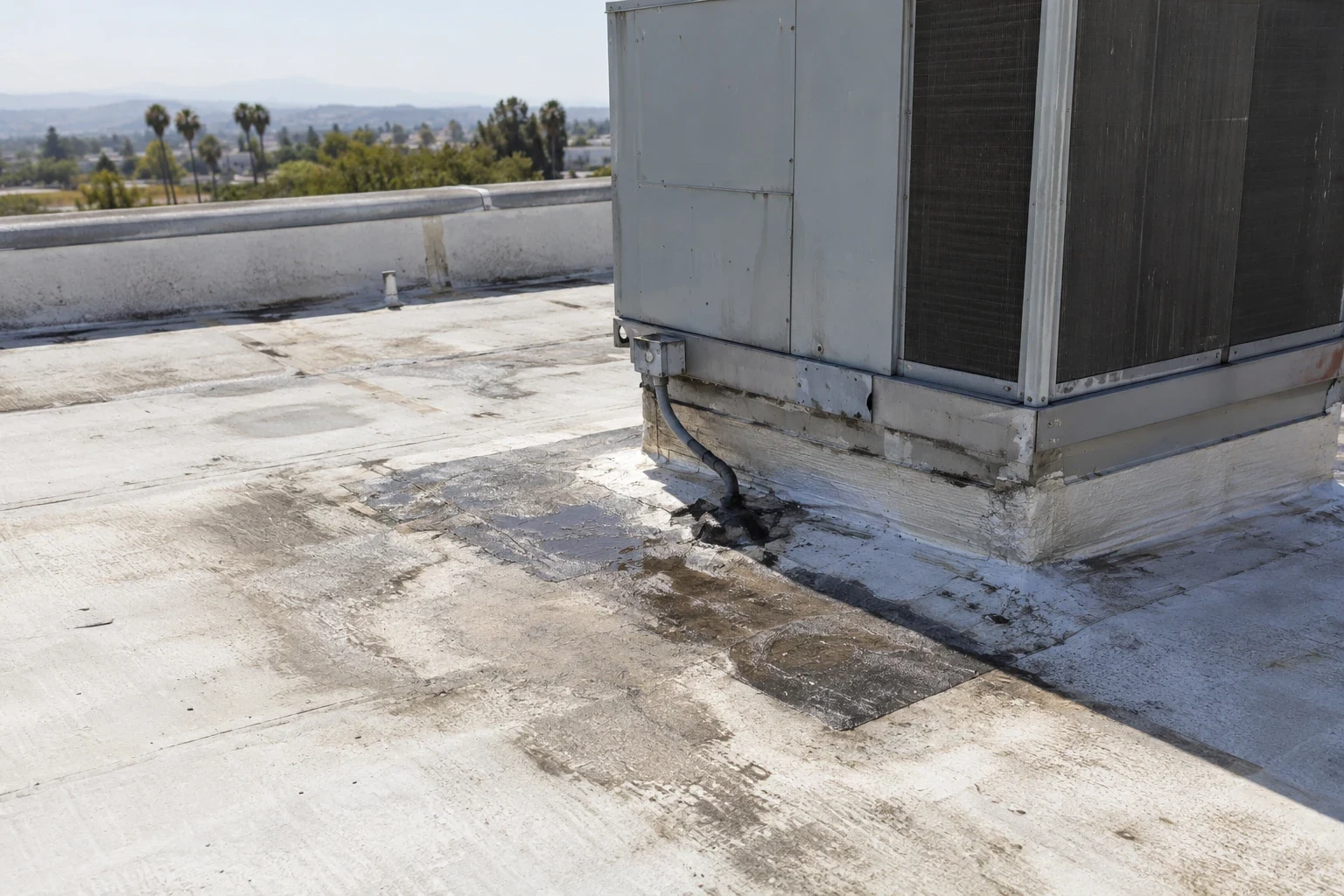
We inspect flashing at walls, equipment openings, drains, and the perimeter before selecting a permanent repair detail. An exposed seam may be relevant, but a backed-up scupper or poorly connected wall transition can supply a different water route. The inspection records roof slope, drain path, debris, and visible deterioration together so the scope addresses the mechanism rather than only the easiest opening to patch.
Repeated interior reports warrant comparing the timing with rain, equipment use, and roof access. The same room can receive water from more than one source. Focused leak tracing relates those observations to the roof assembly and identifies any authorized test that can resolve the remaining question. We document the area examined and the findings that set the repair extent, giving the facility contact a practical decision instead of an unexplained recommendation to replace the entire roof.
Which coastal conditions deserve a closer field check?
Seal Beach adjoins Huntington Beach's northwest planning edge and has a coastal setting. We inspect exposed metal, joints, and fasteners for the actual condition at the building. Coating breakdown or corrosion needs a material-specific response; the roof's distance from the water alone does not establish the damage extent. Detail exposure, prior maintenance, drainage, and dissimilar-metal contact can affect the repair decision.
Newport Beach Harbor's coastal rainfall normals are winter-weighted, with little normal summer rain. Before a cooler-season storm, we check outlets and temporary terminations against the daily forecast. A Seal Beach roofing scope must account for its own roof access and work permissions. Santa Ana events can bring warmer, dry offshore weather, so material handling and temporary closure also need a wind review. Surface preparation and product curing follow the conditions at the roof during the permitted work period.
What separates a localized repair from assembly renewal?
A sound membrane field with one failed transition can support a limited repair. We inspect the backing, remove damaged material where needed, and connect compatible flashing to stable surrounding roofing. Wet insulation or weakened attachment beneath the apparent opening broadens that boundary. The work description identifies the failed detail and the preparation needed to make its replacement function with the existing assembly.
For renewal, we compare the existing roof layers, moisture, attachment, and deck information with the proposed assembly. A recover needs suitable existing conditions and a designed response to increased height at drains, curbs, and edges. A removal-and-replacement scope allows damaged layers to be addressed directly but increases interior exposure. The roof replacement sequence therefore includes dry-in limits, material delivery, disposal access, and the inspection stages that precede covering the deck.
Unified Facilities Criteria may be included in naval roofing specifications. The project design and contract set the required materials, attachment, fire classification, and detail review. We present field conflicts to the authorized design and contracting contacts before changing the specified work. The proposed fix includes the condition observed and how it affects the approved assembly.
How do deliveries and removal stay clear of naval operations?
A material load needs an approved arrival time and unloading point before dispatch. We confirm vehicle entry, inspection requirements, escort arrangements, lift locations, and the route from staging to roof access. Work above an active passage may require a temporary restriction or a different removal method. The facility authority sets those limits, and the roof phase includes the time needed to observe them.
Roofing debris must be contained and transferred through the designated route, with fasteners and loose sheet material controlled during the shift. We size removal areas for the available weather window and the closure detail at the end of work. Edge-metal and coping work needs particular attention to exposed boundaries and temporary securement while existing parts are removed. The crew leaves drainage paths usable and reports any incomplete permanent detail before handing the area back.
What makes the completed repair usable for later maintenance?
The handoff connects each completed roof detail to a building identifier and an approved inspection image or drawing mark. We record materials, test findings, approved scope changes, and remaining maintenance needs. For storage and support buildings, roof asset records help distinguish immediate protection from the next planned renewal rather than merging unrelated buildings into one repair history.
A temporary cover remains a specific interim condition with a responsible contact and follow-up action. After permanent work, the return check can compare the roof detail and the interior report following appropriate weather. Urgent roofing response is available during nights, weekends, and holidays, coordinated with installation entry requirements. Share the affected space and operating restrictions when reporting the problem so the initial response can concentrate on safe access and protection.
Commercial Roofing Questions
Should roofing personnel enter a storage space to locate the drip?
The facility authority determines interior access. We begin with the room report and approved drawing, then coordinate any necessary examination with authorized staff. Roof inspection and protection stay within the permitted boundary, including restrictions on photographs and handling of stored materials.
Can corroded edge metal be covered instead of replaced?
A material check establishes whether the remaining metal can support the intended repair. Loose connections, perforation, or deteriorated backing may require replacement of the affected component. We also examine its connection to the membrane so the repair closes the complete water route.
What happens if a loading activity changes during tear-off?
We protect the open area and confirm the revised movement restriction with the operating contact. The phase may need to shrink or pause. The next sequence includes the closure condition and access time before additional roofing is removed.
How can we distinguish emergency protection from final work?
The work record identifies each temporary detail, its inspection responsibility, and the proposed permanent repair. Completion photographs and installed-material descriptions then show the final condition, allowing the facility team to track any remaining action separately.

Proudly Serving Huntington Beach and Nearby Cities
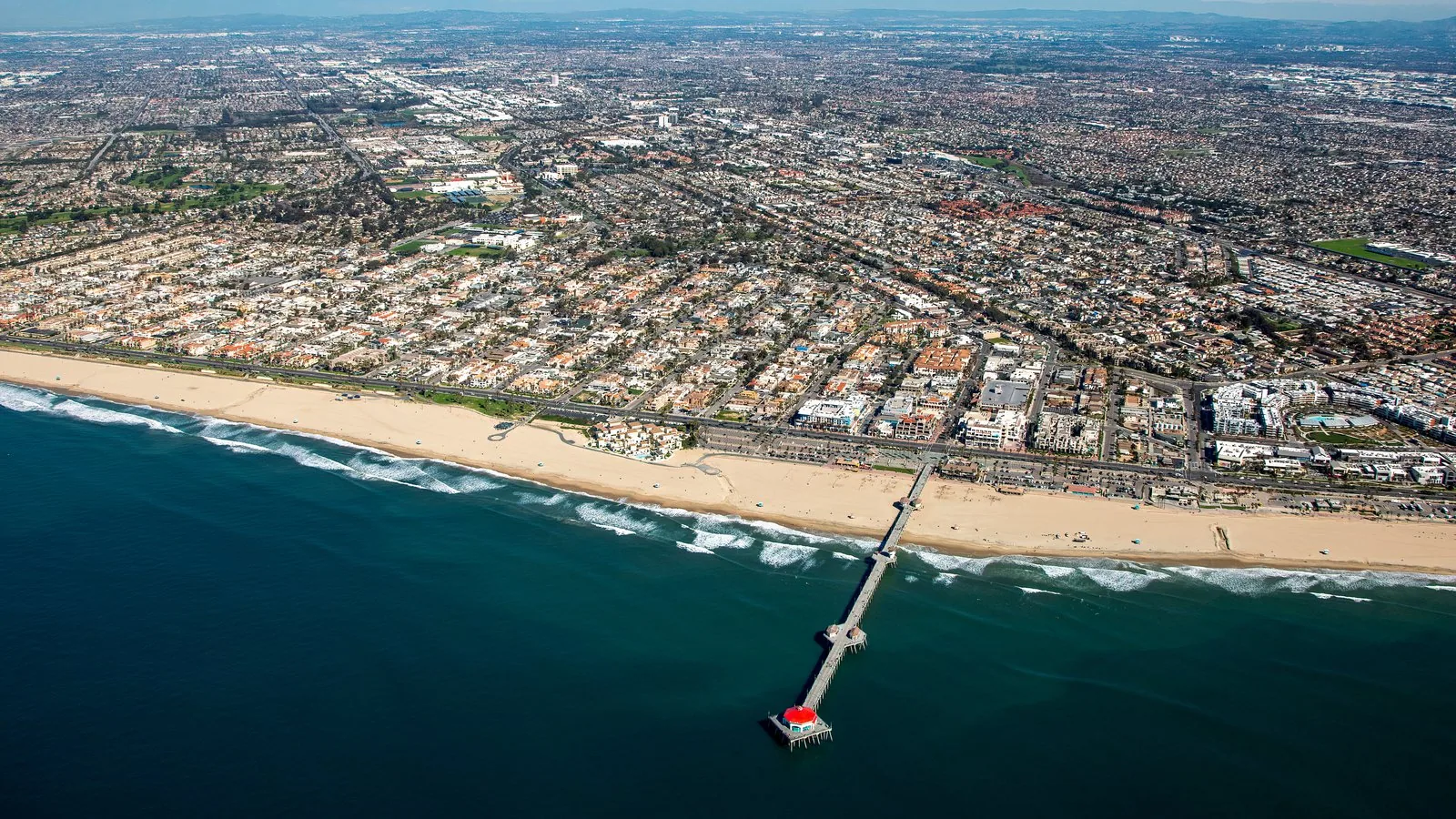
Commercial Roofers Huntington Beach
Huntington Beach, Westminster, Seal Beach, Fountain Valley,
Garden Grove, Newport Beach and nearby Orange County cities