
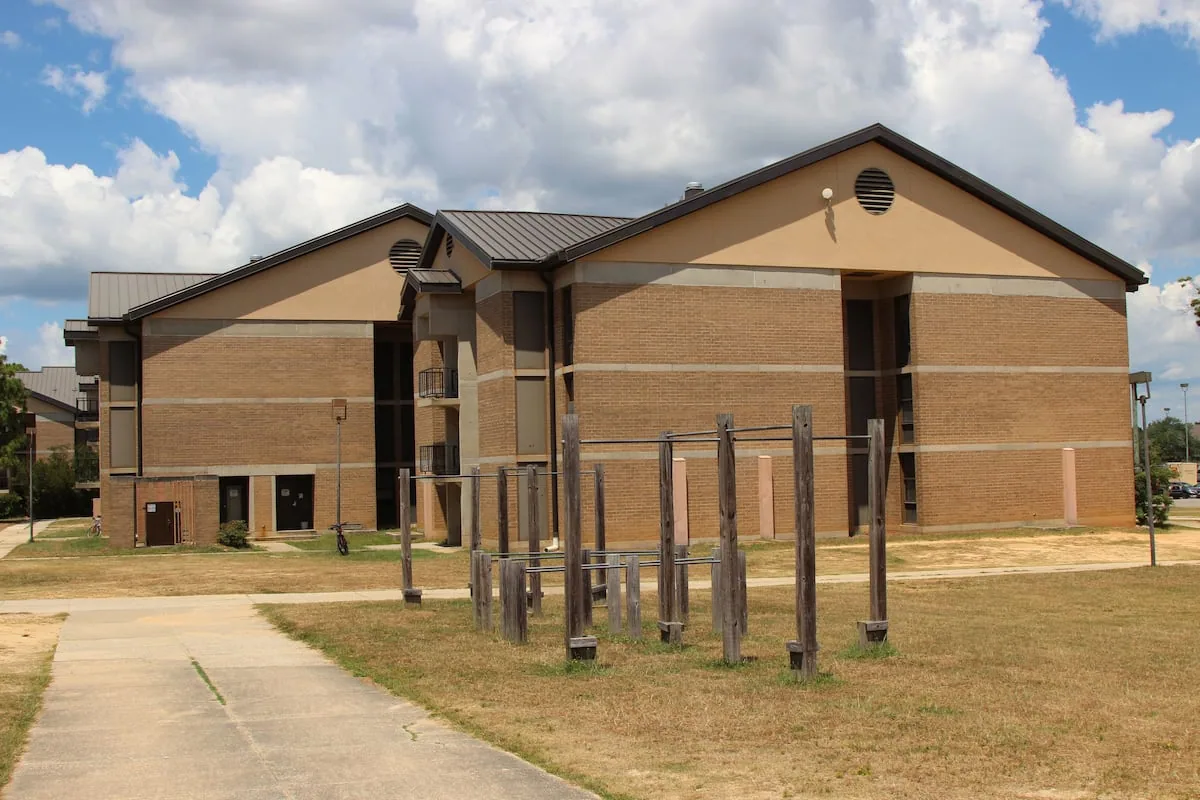
Military Barracks Roofing in Huntington Beach, CA
A resident's overnight drip report needs the room location, the condition of the ceiling, and a safe place for the occupant before roof work is arranged. We coordinate the first protection step with the housing contact and identify which roof area can be inspected without disturbing occupied rooms. Roofing services near Huntington Beach, CA include local repairs, drainage work, moisture surveys, and phased replacement. For barracks and unaccompanied housing, each of those services must account for sleeping hours and personal belongings below.
Naval Weapons Station Seal Beach includes unaccompanied and family housing. Joint Forces Training Base Los Alamitos operates billeting among its support services. Those regional housing functions make room continuity an important roofing consideration without establishing a common roof assembly. The building contact supplies the actual room arrangement and roof drawing so we can connect an interior report to the drains, penetrations, and transitions above the affected space.
Which room condition needs immediate action?
A sagging ceiling, water near electrical devices, or an actively wet sleeping area requires safe separation before exterior repairs begin. The housing staff determine occupant movement and access to the room. We identify the roof zone involved and coordinate protective measures within the permitted boundary. Personnel should not puncture a bulging ceiling or climb onto the roof to locate the opening; those actions can introduce hazards beyond the reported drip.
The room report should include when water first appeared, whether it continued after rain, and any nearby plumbing or mechanical equipment. We use that information to plan a roof leak investigation that distinguishes roof entry from another building-system issue. A corridor report or several adjoining rooms may suggest a shared roof route, but each affected location is recorded separately. That mapping helps determine whether protection belongs at one room, a circulation area, or a broader occupied zone.
What can carry water toward several rooms?
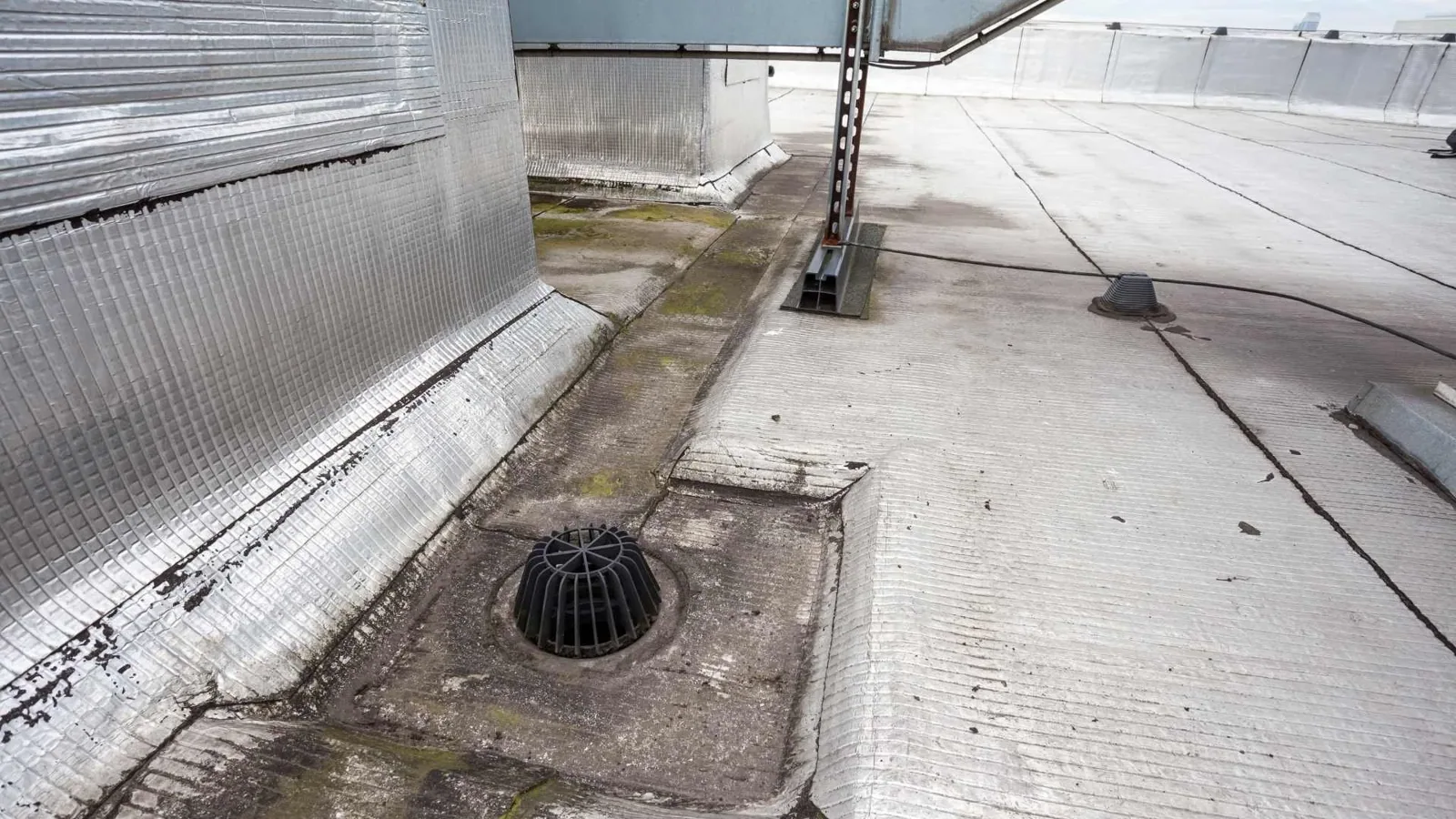
A blocked drain can hold water against seams and curb flashings over a wider area than one ceiling stain suggests. We check outlets, slope, sediment marks, and patches that interrupt runoff. The inspection also examines wall transitions and equipment penetrations near the affected rooms. Water can travel within the roof assembly, so the permanent repair boundary is established from roof findings and selected tests rather than the room footprint alone.
For housing in the Seal Beach area, coastal weather and site exposure inform preparation while the actual drainage layout sets performance. Newport Beach Harbor normals indicate winter-focused rainfall and very low normal summer precipitation. We check temporary closures and outlets against the project forecast before reopening a roof phase. A drainage-detail repair addresses the confirmed defect and its membrane connection; persistent low areas may need a larger drainage design response.
How will noise and room entry be scheduled?
Sleeping schedules may extend into hours when commercial office work would normally proceed. The housing contact identifies quiet periods, room access intervals, and any occupied circulation that cannot be restricted. We describe the anticipated removal method, material handling, and noise-producing tasks before the schedule is agreed. Resident notifications and any temporary relocation remain under the facility's housing procedure.
Roof work above residential rooms needs careful debris control and protection of belongings, while short-stay lodging roof work can involve changing room availability. Military housing adds its own entry and operating requirements. We coordinate the phase with those instructions and keep the roof route independent of resident movement where the approved layout allows. Any lift or debris transfer above an entrance is assigned a controlled interval before work begins.
Can the damaged roof zone be repaired independently?
A local flashing separation may allow a compact repair when the surrounding membrane and backing are sound. We remove deteriorated material, prepare the stable surface, and install a compatible detail that reconnects the waterproofing. An isolated puncture requires the same attention to underlying moisture and a workable tie-in. The room can remain affected after a small surface patch if wet layers or another entry point are left unresolved.
Several wet test areas or recurring seam failures can support a wider renewal discussion. A recover needs an assessment of existing layers, moisture, attachment, deck information, drainage, and height changes at edges and equipment. Replacement creates a direct opportunity to remove damaged insulation but also exposes occupied rooms during the phase. The choice includes how much interior protection and room restriction is needed, not just the roof material selected.
Where a new low-slope membrane is appropriate, a TPO assembly review addresses deck attachment, insulation, seams, flashing, and edge details together. Military project drawings and any applicable Unified Facilities Criteria determine additional design requirements. We resolve assembly changes with the responsible project reviewers before purchasing substituted materials or widening the approved scope.
How is each occupied roof phase closed?
The daily opening is kept within an area that can be sealed during the available access period. We include removal, substrate preparation, insulation, membrane work, and temporary terminations in that calculation. Before a shift ends, the boundary is checked for runoff, loose material, and exposure at penetrations. Housing staff receive the status of the rooms below and the next planned work zone.
Reroofing over occupied housing may use separate zones where drainage and roof geometry permit. Shared equipment or a continuous water path can change that approach, so the initial inspection establishes workable divisions. Santa Ana events bring a potential for warmer, dry offshore winds that can affect sheet handling and covers. A smaller phase or delayed lift may be appropriate if wind compromises the planned closure; the room-protection plan remains in effect until the roof zone is safe to release.
What confirms the room can return to its normal use?
Roof completion and interior recovery are related but separate tasks. We describe the exterior repair, provide permitted photographs, and identify any remaining roof follow-up. Housing staff coordinate interior drying, ceiling repairs, and occupant return through the appropriate building teams. A roof handoff should make clear which exterior condition has been corrected and which interior item still requires attention.
For the next maintenance visit, a room-linked roof report preserves the original interior location, repair details, and observations to revisit. A subsequent rain report can then be compared with the same roof zone. Emergency help can be arranged at night or over a weekend with the authorized facility entry contact. Supply the affected room and ceiling condition early so dispatch can prioritize safe protection and a focused roof examination.
Commercial Roofing Questions
Should residents stay in a room with a bulging wet ceiling?
The housing authority should assess relocation and keep occupants clear of the overhead hazard. We coordinate roof protection with that response. Water near electrical devices also requires the appropriate building staff before room access or interior work proceeds.
Can roof removal be scheduled around personnel sleeping after shifts?
Quiet periods belong in the work calendar before mobilization. We identify the noisier removal and material-handling tasks, propose appropriate intervals, and determine which roof phases can close within them. Housing staff coordinate notifications and room availability.
Why might adjoining rooms need inspection after one leak?
A shared drainage route or wet roof layer can carry water across room boundaries. We map each interior observation to the roof and inspect the connected details. That establishes the repair extent and any room-protection need without assuming all nearby spaces have the same damage.
Does finished roof work include replacing interior ceilings?
The roofing scope identifies exterior closure and any related coordination. Interior drying and ceiling restoration need a separately defined responsibility with the facility team. We provide the roof findings so those trades can assess the affected rooms and plan their work.



Proudly Serving Huntington Beach and Nearby Cities

Commercial Roofers Huntington Beach
Huntington Beach, Westminster, Seal Beach, Fountain Valley,
Garden Grove, Newport Beach and nearby Orange County cities