
Commercial Roofing in Anaheim Canyon, Anaheim, CA
Roof work during building reuse in Anaheim Canyon, Anaheim, CA, needs the existing assembly examined before new equipment penetrates it. The area's adopted specific plan supports reuse and infill across a defined multi-property district. Commercial Roofers Huntington Beach inspects, repairs and replaces commercial roofing there, connecting the proposed building changes to the roof that is already installed. We identify the access contact, any active water report and the construction window before selecting a repair.
Anaheim Canyon's planning supports a broad range of industries. The tenant's actual operation therefore belongs in the roof scope: which rooms must remain dry, which deliveries need to continue and which equipment changes affect roofing. We assess the building rather than assuming its roof arrangement from an industrial district name. The initial findings define protection, testing and the useful next construction decision.
What should be checked before a tenant change?
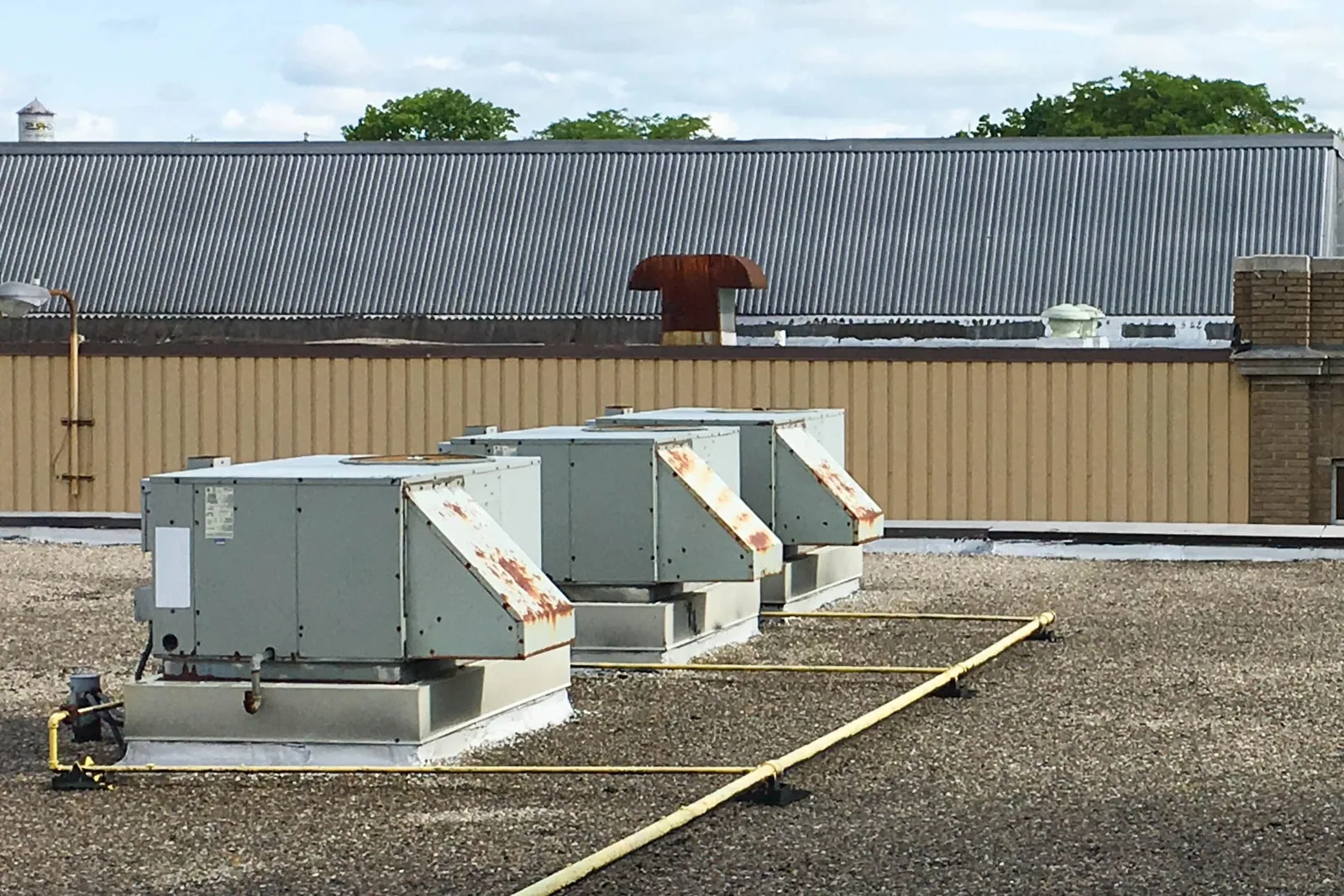
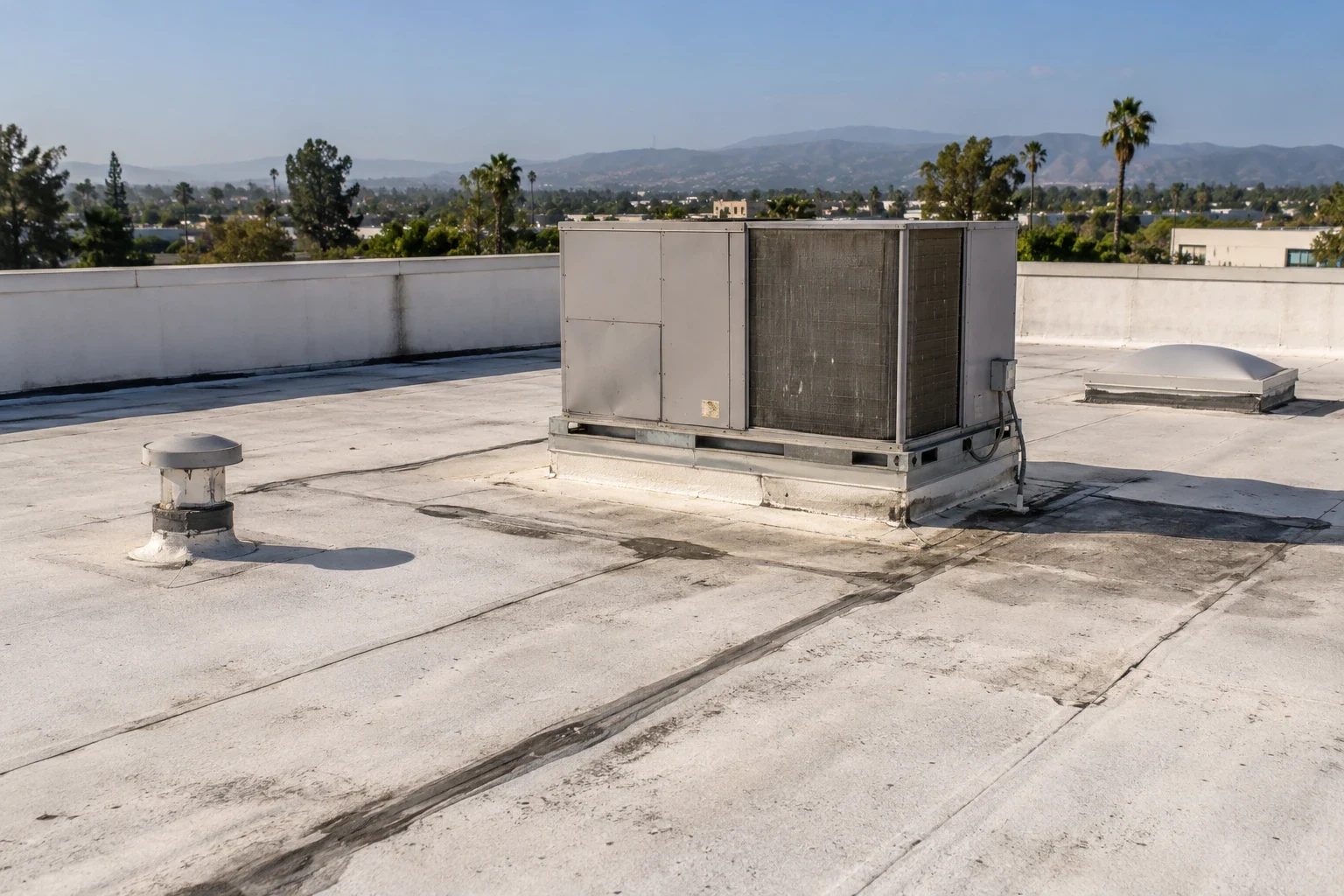
A new ventilation unit or service opening can affect more than the membrane directly beneath it. We examine the proposed curb location, its support, available flashing height and the nearby drain path. Structural support and equipment requirements need their responsible design and trade coordination. Roofing then provides a compatible connection to the completed curb instead of attempting to support equipment through a surface patch.
Available drawings may describe a roof before later additions or recover work. We compare records with visible seams, edges and penetrations, marking areas that require confirmation. A new tenant can then understand which assembly is being altered and where its proposed work crosses a transition. Old openings that will be abandoned need a defined closure through the supporting layers, not only a cover placed over the top.
For a property elsewhere in Anaheim, the same connection between actual roof condition and proposed alteration remains useful. The parcel and building details determine which review and construction requirements apply.
Can the existing roof be secured while changes are planned?
A leak near equipment can involve a seam, flashing, condensate or another connection. We compare the indoor report with the roof layout and operating history, then inspect the likely details at close range. The correction should address the actual opening and the condition around it. If the responsible cause is moving equipment or failed support, that correction must be coordinated before new flashing closes the roof.
Calls for active roof entry are handled through nighttime hours, weekends and holidays. We determine safe access and whether a defined area can receive temporary protection. The service record describes that temporary boundary and what permanent work remains. Building staff should keep people away from wet electrical areas and control slippery floors while roof access is arranged.
A compatible repair of the existing assembly can support continued operation where the surrounding material remains sound. The repair scope identifies the membrane, receiver preparation and any removal needed to form a usable connection.
Which existing layers can remain during the alteration?
Wet insulation and unstable roofing affect whether an assembly can accept new work. We inspect soft areas, old patches and attachment concerns, then select confirmation tests where they will change the retention decision. A surface that looks intact may conceal material needing removal. Conversely, a localized defect does not establish that all roofing on the property must be replaced.
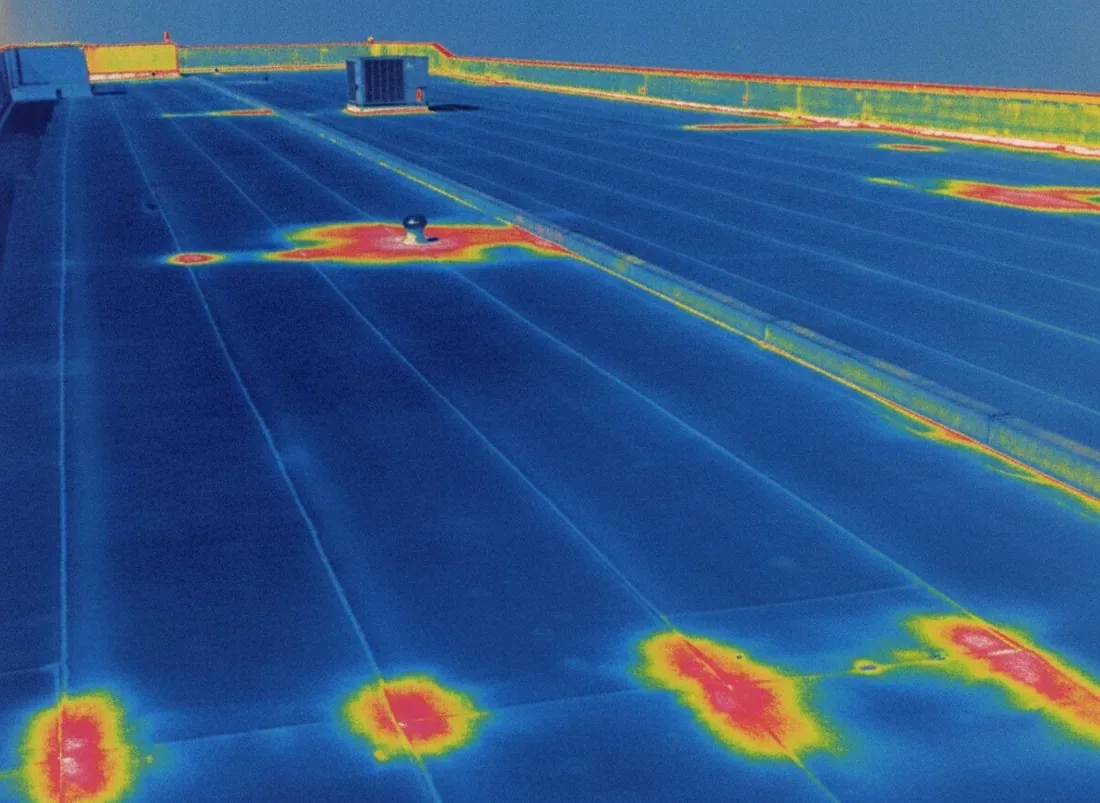
The moisture survey and confirmation process can help define suspect areas when conditions are suitable. Results are marked in relation to the proposed alteration. The scope then separates retained layers, required removal and the procedure for additional concealed findings. That helps the owner compare a repair, recover or replacement using an actual assembly boundary.
Platinum Triangle's mixed-use setting presents another kind of building coordination within Anaheim. An owner managing roofs in that district may need different room protection, while material retention still requires an examination of each roof rather than a portfolio-wide assumption.
A coating proposal requires its own compatibility and adhesion checks. We assess preparation on representative receiving areas and include correction of failed details before application, so a new surface is connected to roofing that can support it.
Will new rooftop work obstruct drainage or service access?
A new support close to a drain can trap debris or interrupt the path to an outlet. We review the proposed equipment layout with roof slope, low areas and service traffic. Drain bowls and scuppers need usable clearance after the work is complete. If an alteration changes insulation height, outlet connections and flashing heights need to be checked together before membrane installation.
Repeated service movement can also damage a repaired roof. The curb and support arrangement should leave a practical route for inspection and equipment maintenance. Protective walk areas may be appropriate where the assembly supports them. Loose hardware, discarded materials and temporary cables need management so a new puncture does not undermine a freshly closed detail.
Newport Beach Harbor's climate record is a coastal reference with most rainfall in cooler months. At the Anaheim Canyon building, observed drainage and the local forecast set the protection plan. A dry season is useful for scheduling, but it does not remove the need for a clear outlet route.
How are removal phases and daily closure set?
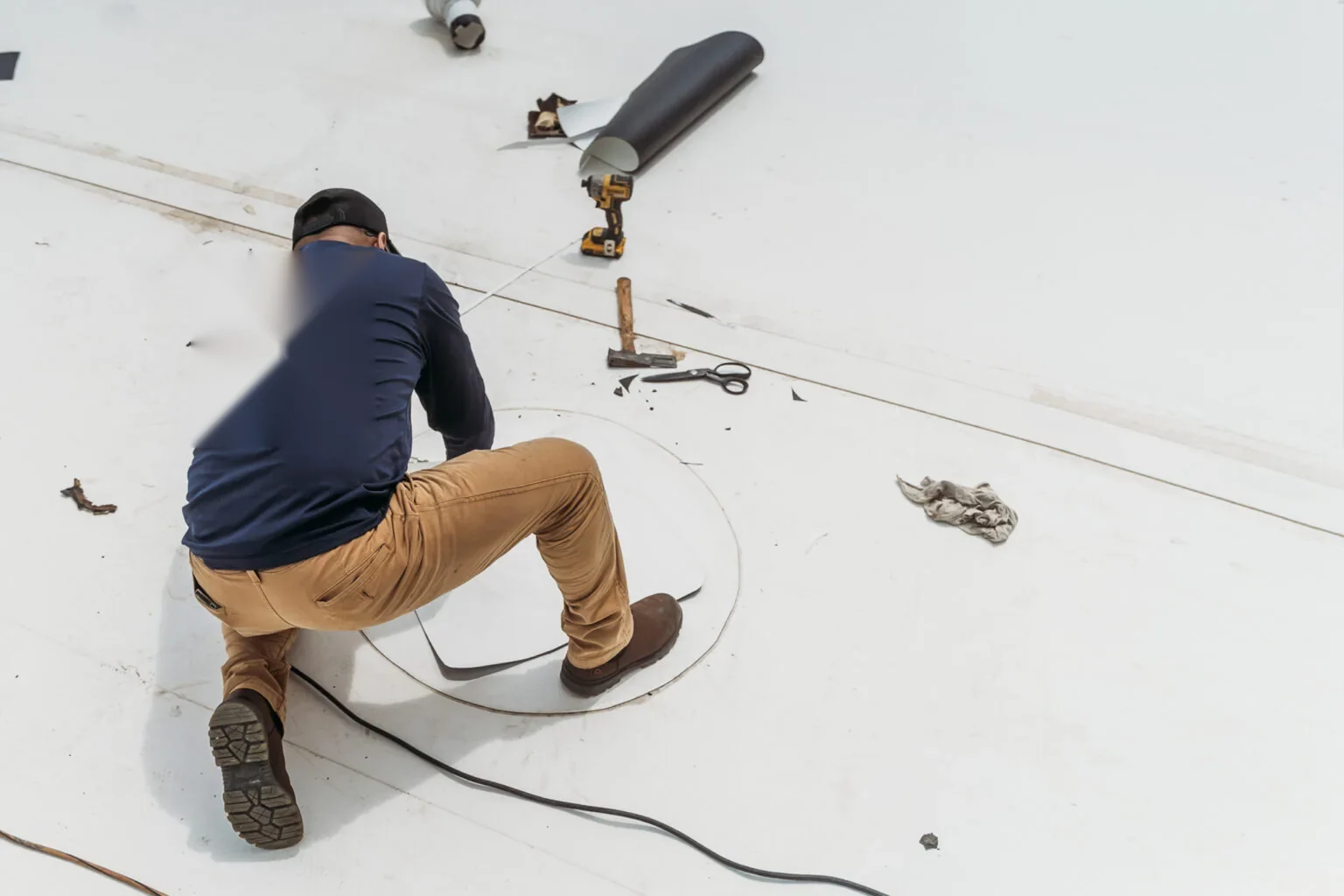
Occupied alteration work needs an agreed boundary between roofing and building operations. We review where material enters, how debris leaves and which rooms sit under each phase. Noisy preparation and lifting should be assigned to usable operating windows. If another trade must finish a support before roofing can proceed, that handoff is included in the sequence rather than left for the crew to resolve after removal begins.
A reroofing sequence for an active property limits each opening to an area that can be closed within suitable conditions. Surface moisture and the selected material's requirements affect application timing. Santa Ana weather can produce hotter, drier offshore conditions and change exposed-material handling. We review the task and forecast before advancing a phase that would be difficult to protect.
Cost depends on removal extent, insulation, disposal, access equipment and changes at curbs, walls or drains. We identify those construction interfaces alongside the new membrane. Closeout photographs show corrected areas, with any unfinished item and return action retained for the building contact. The result is a roof record that can support the next alteration or maintenance visit.
Commercial Roofing Questions
Should the roofing review happen before new tenant equipment is ordered?
An early review can identify curb heights, support needs and roof interfaces that affect the proposed equipment arrangement. We assess the existing assembly and coordinate necessary roofing details with the responsible trades. That allows the installation sequence to include roof closure before the opening becomes an exposure problem.
Can abandoned penetrations stay under a recover assembly?
An abandoned opening needs a suitable closure through the affected assembly. We inspect its support and surrounding material before deciding what can remain. A new layer above an unresolved opening can leave a weak receiving area or concealed water path rather than a serviceable roof detail.
What if the roof records and the installed material disagree?
The installed assembly needs confirmation before repair materials or retention assumptions are selected. We mark the discrepancy and identify appropriate examination or testing. The construction scope is updated with those findings so the alteration uses the roof that is actually on the building.
Will a phased alteration require several roof visits?
Separate visits may be necessary when equipment support, electrical work or operating limits divide the sequence. We describe temporary closure and final flashing as distinct tasks. Each visit should leave the exposed area protected and the remaining roofing handoff clearly assigned.


Proudly Serving Huntington Beach and Nearby Cities
Commercial Roofers Huntington Beach
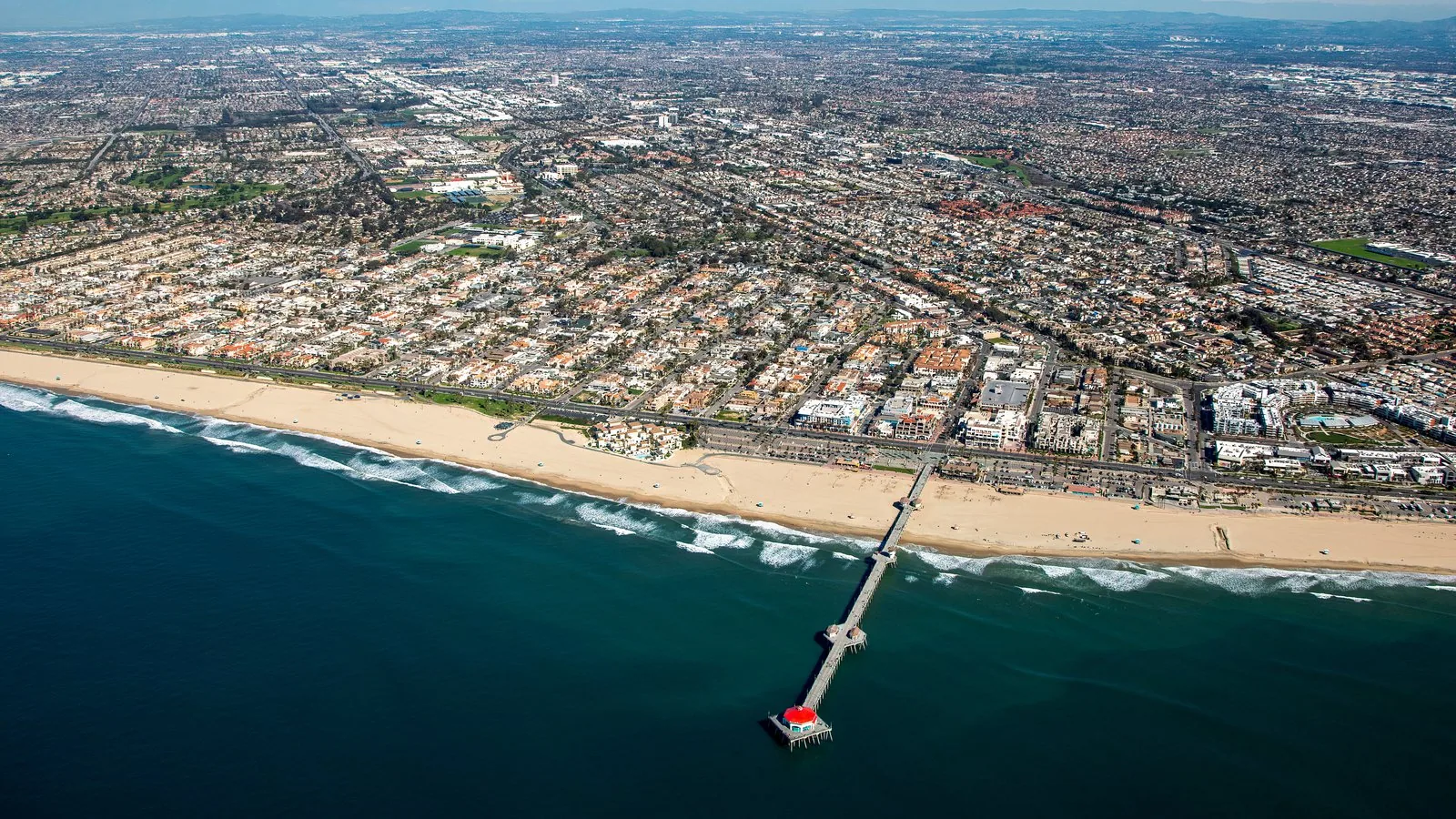
Huntington Beach, Westminster, Seal Beach, Fountain Valley,
Garden Grove, Newport Beach and nearby Orange County cities