
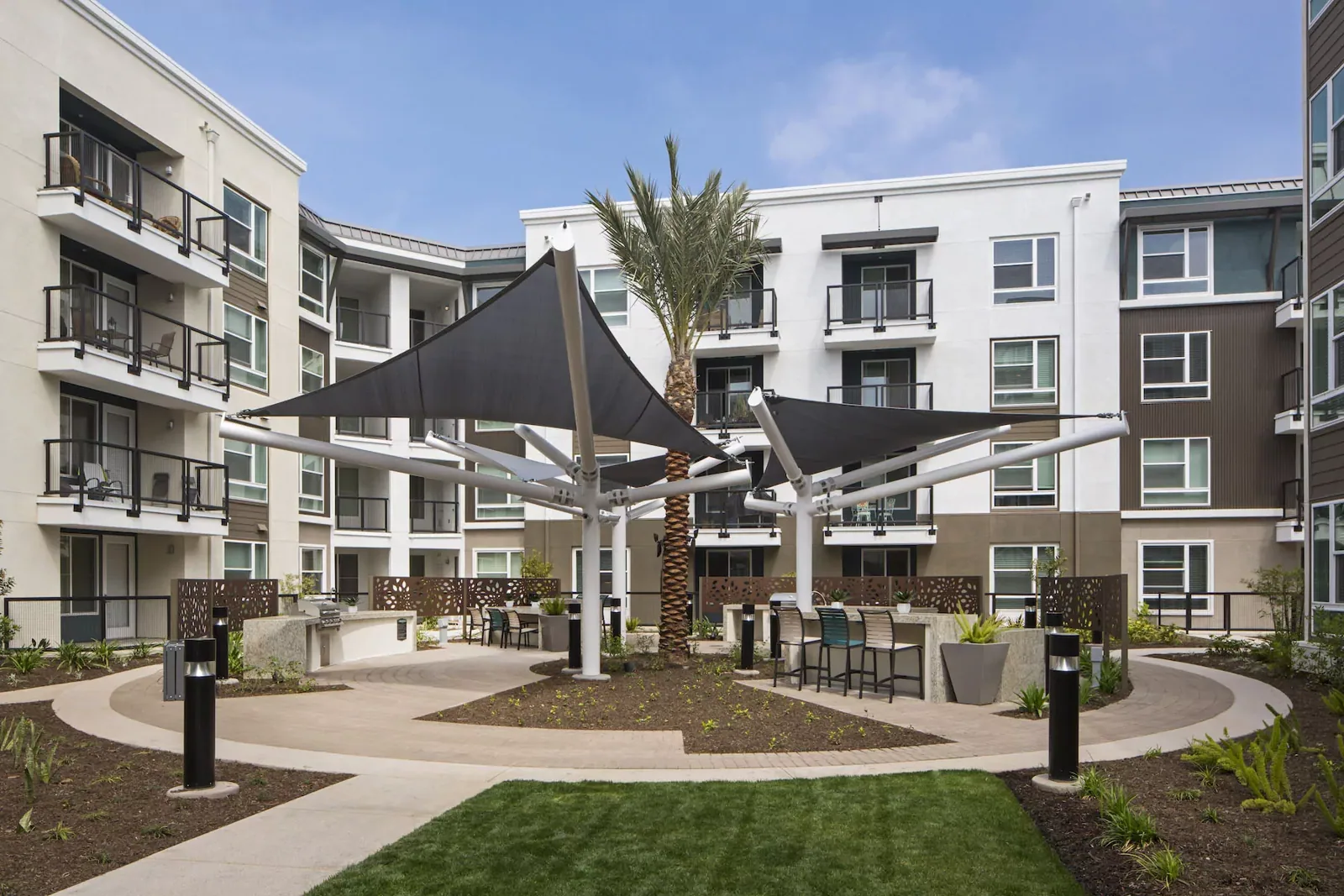
Commercial Roofing in Platinum Triangle, Anaheim, CA
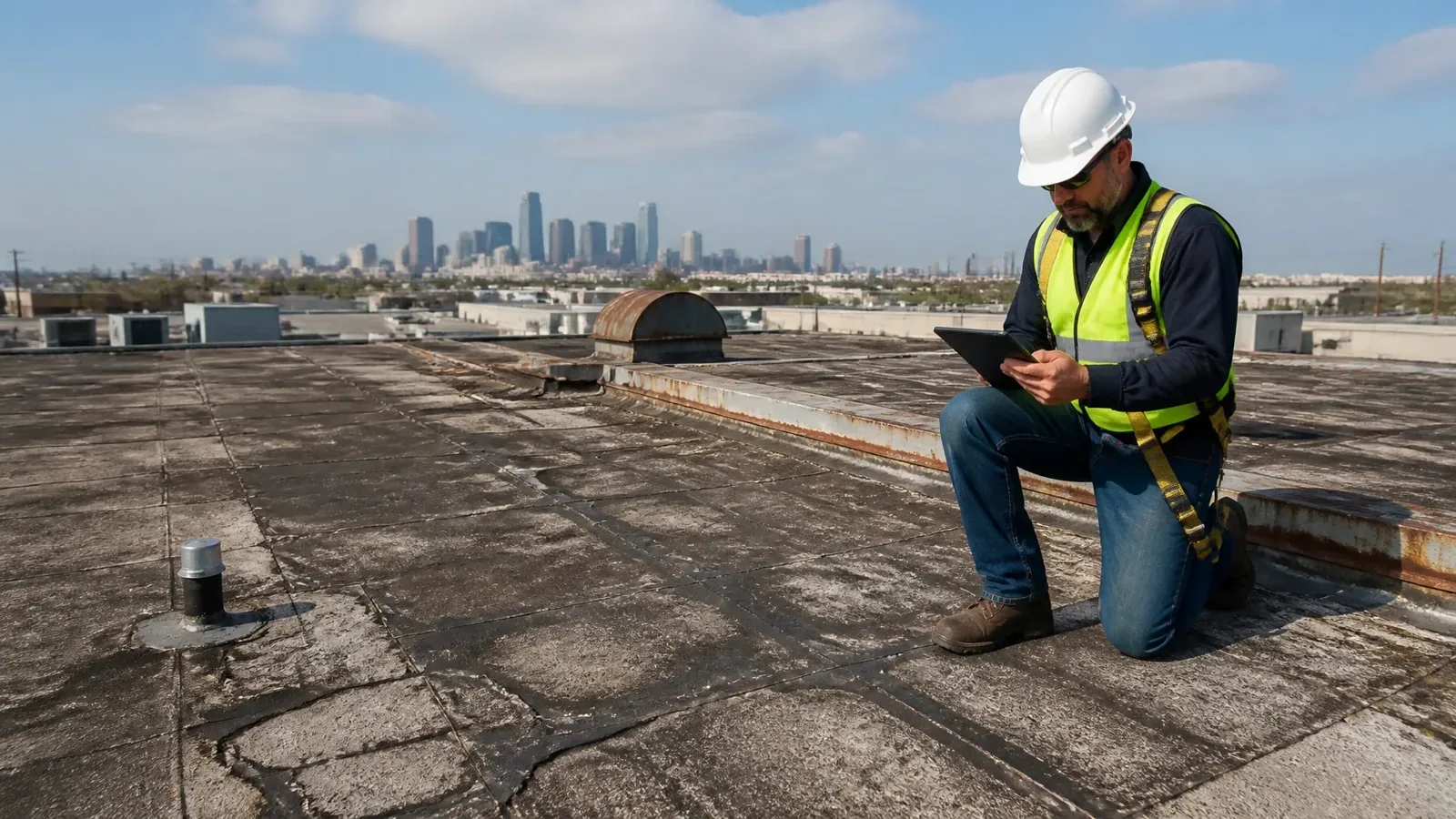
Roof repairs over a restaurant and an adjoining office in Platinum Triangle, Anaheim, CA, need separate operating limits before the crew opens an affected area. The district includes office, restaurant, residential, entertainment and established industrial uses. Commercial Roofers Huntington Beach inspects and repairs commercial roofing there, matching the reported condition to the rooms and roof connections involved. The building contact identifies which activities must continue and who can arrange safe roof access.
Platinum Triangle's mixed-use framework allows development while existing industrial businesses continue operating. That combination makes a marked roof phase useful even where a property is changing. We compare the installed assembly, proposed rooftop changes and tenant schedule before outlining repair or replacement. A plan for public circulation, service deliveries and protection below the roof belongs with the roofing scope.
Which tenant spaces sit under the affected roof zone?
A shared roof can cover rooms with very different noise, ventilation and access requirements. We identify the occupied area below each proposed phase, including any service intake or exhaust that could affect work. A restaurant operating period may differ from office hours or residential use. Roofing tasks should be assigned to the window that supports each operation rather than assuming one building schedule covers every tenant.
Material movement needs a controlled route from delivery to roof access. Debris removal should not cross an active entrance or a needed service path without an agreed arrangement. Where several contacts manage the property, one roofing coordination contact helps resolve changes before the crew exposes material. That contact also confirms interior protection when ceiling work or leak mitigation overlaps with exterior repair.
A roof replacement over active tenant spaces can be divided into practical phases. The sequence identifies daily closure, material storage and any room needing a temporary operating restriction, keeping each requirement connected to the task that causes it.
Could equipment operation explain the water report?
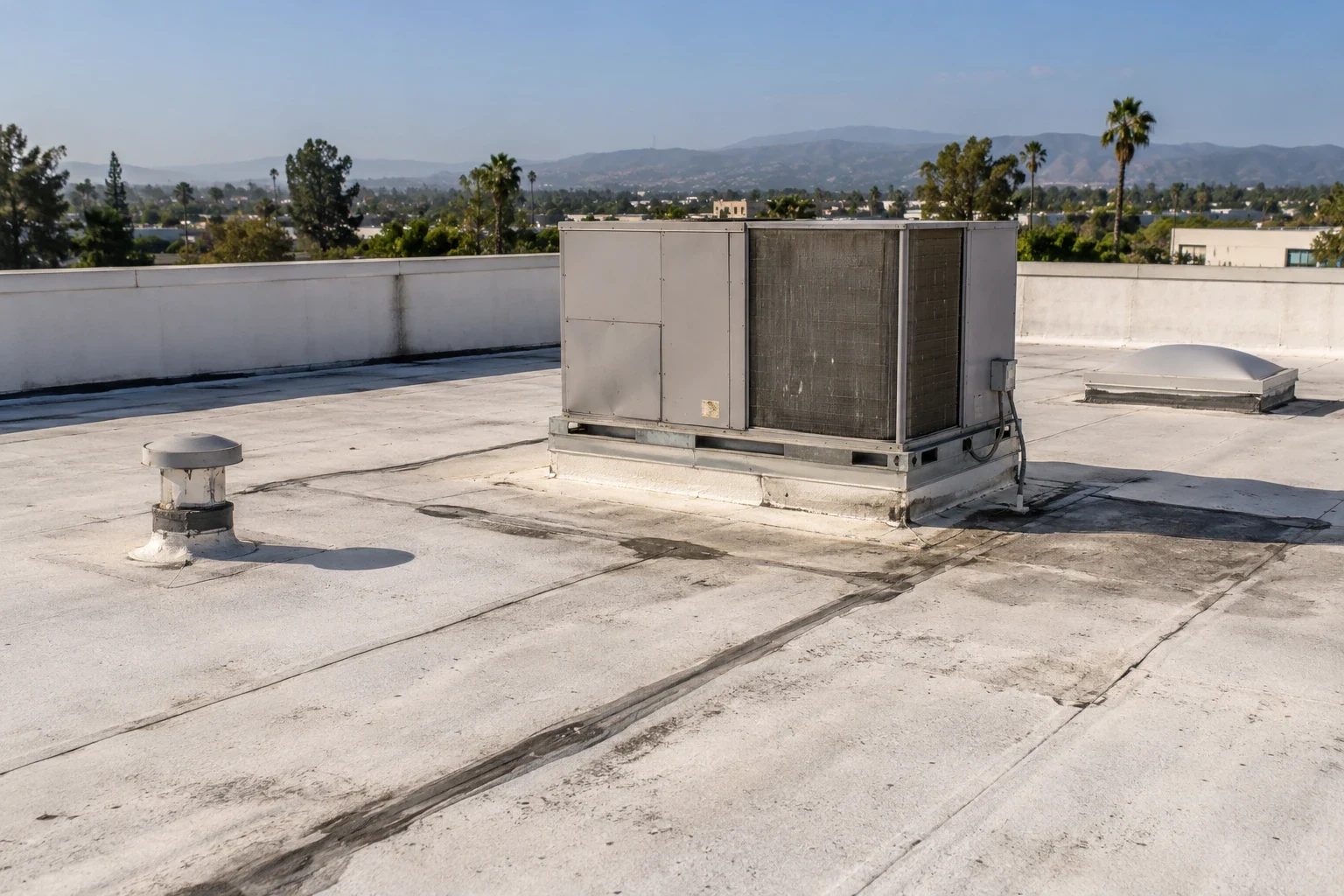
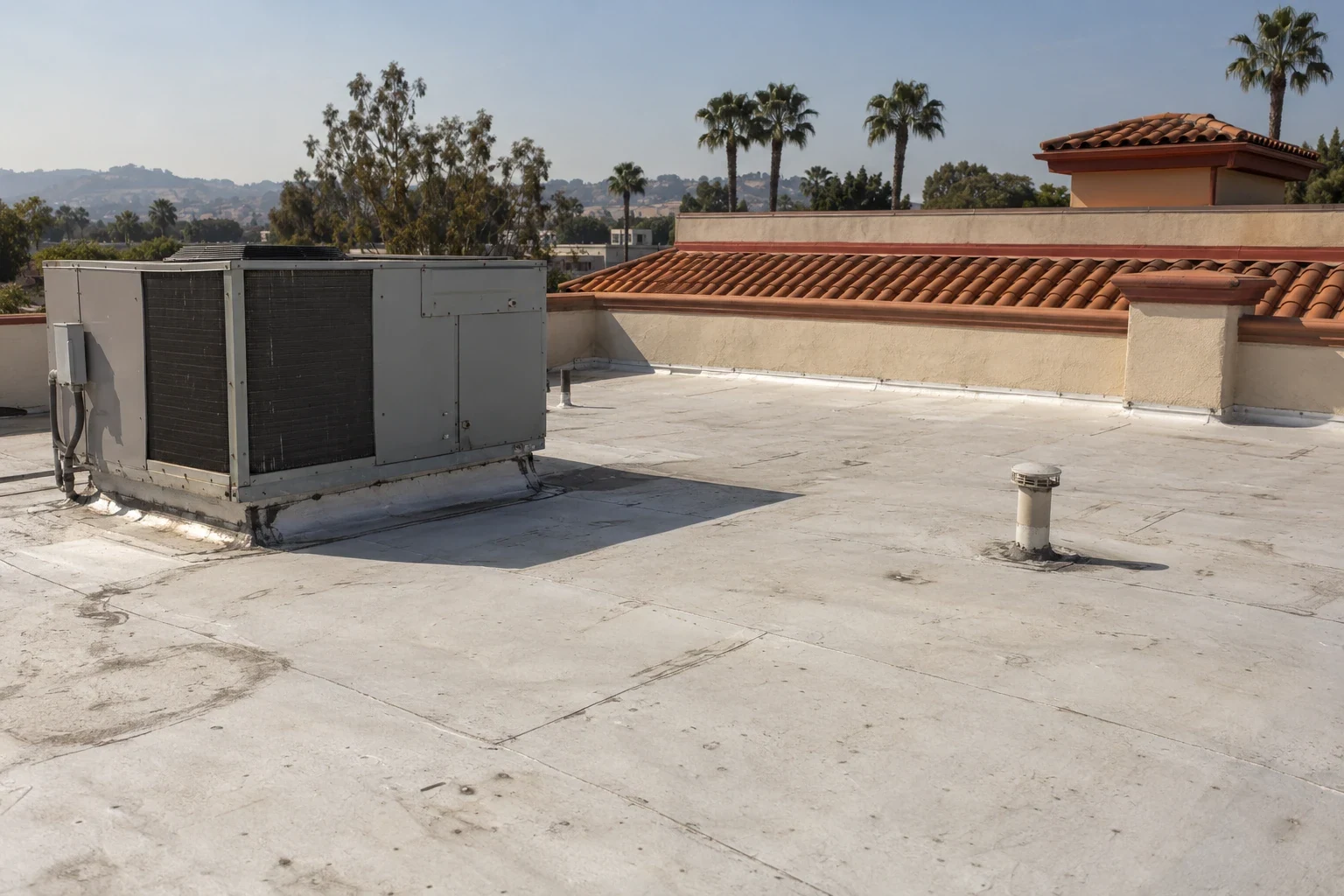
Water near a curb can come from the roof connection, equipment discharge or condensate. We review when the symptom appears and what equipment was running, then examine the surrounding roofing. A split corner, loose termination or damaged membrane receives a compatible correction. A discharge or support problem needs its responsible trade involved so the roof patch is not left facing the same cause.
Roofing near exhaust equipment needs assessment of surface contamination before repair or coating. We inspect the receiver and determine suitable preparation, keeping residue or incompatible old patches from undermining a new connection. A curb also needs adequate height and stable support after an insulation change. We review those interfaces before selecting the removal boundary.
For roof work above restaurant operations, the intake, exhaust and service schedule influence application and protection. The actual equipment arrangement is inspected. Restaurant use alone does not establish which membrane is installed or whether a coating can be applied to it.
Where do drainage and roof transitions need attention?
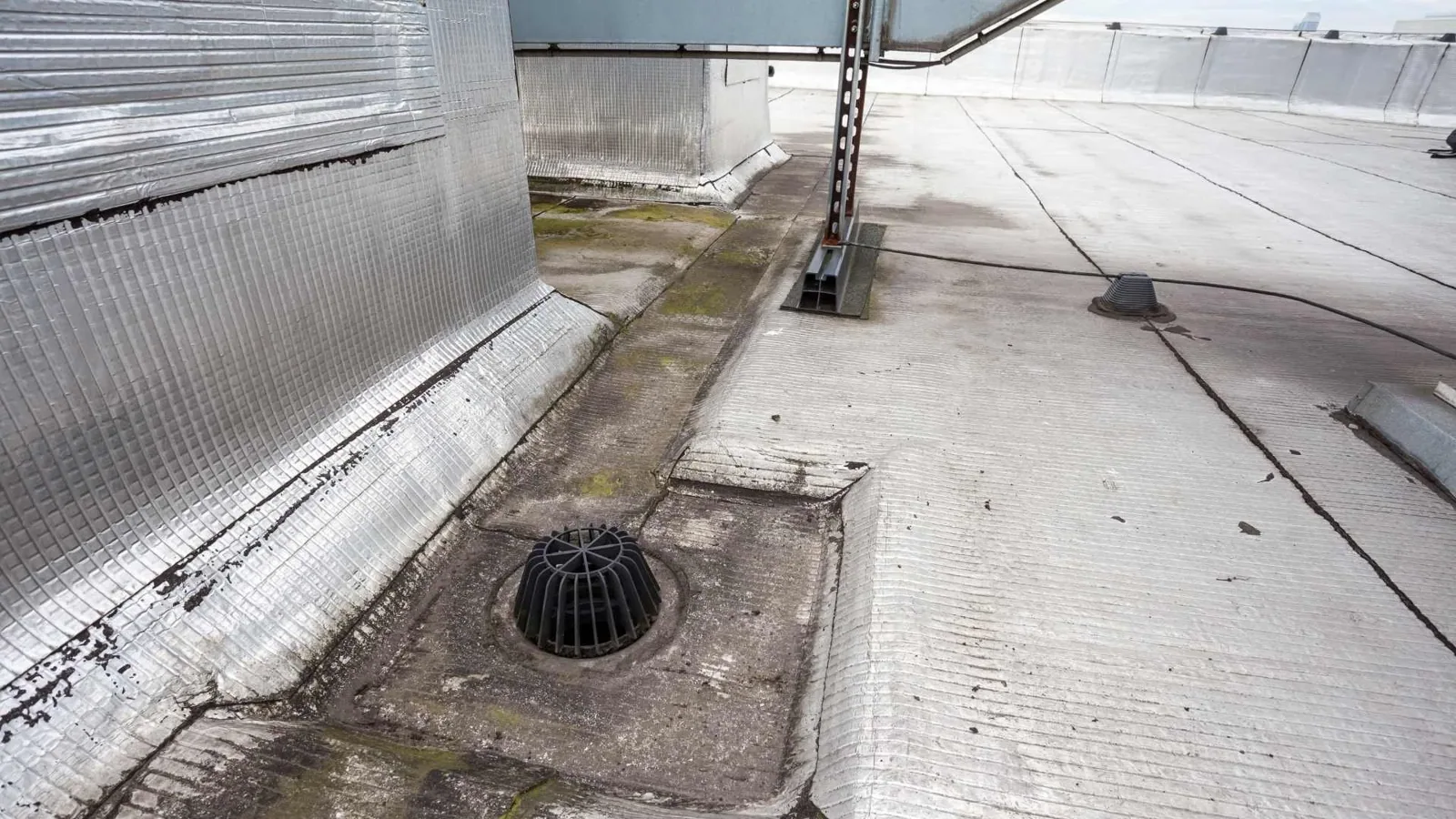
At a wall between roof levels, water can concentrate near a flashing connection or lower-roof outlet. We follow the observed route and inspect its seam, curb and drain details together. Debris may block an otherwise serviceable outlet, while a low area or failed drain connection requires additional construction. We describe cleaning separately from the roofing repair so completion of one task does not hide the other.
The outlet and scupper correction must leave usable drainage during the roof phase as well as afterward. Temporary protection is arranged to shed water without directing it into unfinished roofing. Where replacement raises insulation height, curbs, edges and drains receive a coordinated review before the new membrane is closed around them.
Newport Beach Harbor's nearby coastal climate record concentrates rain in the winter period. For this Anaheim district, the building's observed drainage and the actual work forecast determine protection. A dry preparation window supports installation, but every exposed phase still needs a secure closure and a clear outlet route.
How are access and nearby operating areas kept separate?
Platinum Triangle connects to I-5, SR-57, SR-22, local streets and transit, including the Anaheim Regional Transportation Intermodal Center. Those connections help describe the district's regional access, while the usable delivery position at a particular building needs its own check. We confirm unloading, lifting and staging with the property contact before scheduling material movement. A convenient route to the district does not establish clearance at the roof.
Owners with another building in Anaheim Canyon can coordinate inspection visits while keeping roof scopes separate. That area has its own planning framework and building-reuse needs. Across Anaheim, the actual parcel, operating contact and roof assembly belong in each job record, allowing a facilities team to compare tasks without sending a crew to an ambiguous location.
Public routes and emergency exits remain part of the work-boundary review. A lift or temporary exclusion area needs an agreed alternative route where required, with changed timing communicated before the operation begins.
What supports repair instead of a complete rebuild?
Sound, dry adjoining roofing can support a defined repair. Wet layers, unstable attachment or widespread surface failure may require additional examination and removal. We inspect the receiver and identify confirmation tests where they change the choice. A recover is considered only where the retained assembly and applicable requirements support it. Drain, curb and edge heights must remain suitable after the added material.
Membrane selection follows the construction needs rather than the tenant's business type. A welded thermoplastic repair, compatible rubber detail and asphalt correction have different preparation requirements. We identify the system before pricing permanent work. Disposal, wet insulation, difficult access and repeated phase setup also affect the effort, so those tasks should be visible alongside installation in the owner scope.
For sudden water entry, dispatch accepts reports throughout nights, weekends and holidays. The crew assesses safe temporary protection and records the required return step. After permanent repair, we identify completed zones, photographs and any remaining item so the site contact can check the same details during future service.
A photographic condition report can distinguish roof findings in a shared property. We mark each assembly and transition, then connect completed work to those locations. That helps the owner manage future equipment service without treating a repaired tenant area as proof that every roof section received the same correction.
Commercial Roofing Questions
Can different tenants share one roofing phase without sharing one shutdown?
The phase can be planned around separate room and service limits where safe isolation is possible. We identify noise, intake and movement concerns by task before confirming the arrangement. Each affected tenant needs the applicable operating window rather than a general building notice alone.
Why do you inspect roof drains during a curb leak visit?
Water held near the curb can extend exposure at a vulnerable connection. We examine the outlet route together with the flashing so the repair addresses both the opening and any drainage condition keeping water against it. Cleaning and construction remain distinct scope items.
Will a new tenant need a different membrane for new equipment?
Equipment changes usually begin with a support and penetration review, not an automatic membrane change. We examine compatibility and the surrounding assembly. A suitable curb detail may connect to sound existing roofing; wider deterioration may require a broader correction before equipment installation.
What if roof work conflicts with an unplanned building event?
Tell the roofing contact before the exposed phase starts. We review whether delivery, noise or lifting can be moved safely and identify the revised closure window. Once roofing is open, secure protection remains the immediate task while the remaining sequence is adjusted.



Proudly Serving Huntington Beach and Nearby Cities

Commercial Roofers Huntington Beach
Huntington Beach, Westminster, Seal Beach, Fountain Valley,
Garden Grove, Newport Beach and nearby Orange County cities