
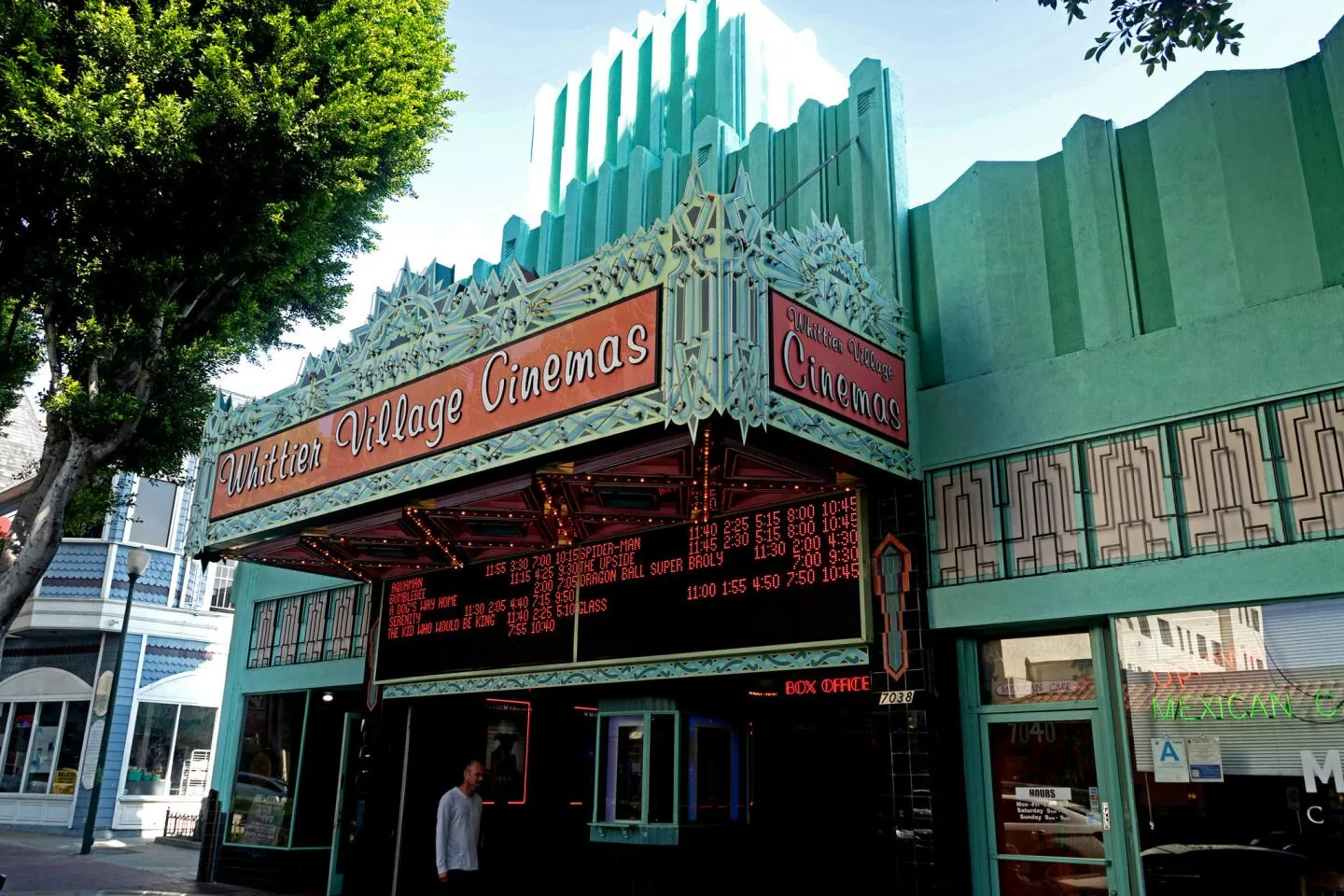
Commercial Roofing in Uptown Whittier, Whittier, CA
A leaking wall-to-roof connection above an Uptown Whittier commercial entrance needs inspection without exposing the pedestrian route below. We identify the affected interior zone, confirm safe roof access, and examine the transition and drainage beside it. Commercial Roofers Huntington Beach repairs, maintains, and renews commercial roofs in this broad town-center district. Protection starts with the reported condition and the people using the space beneath the work.
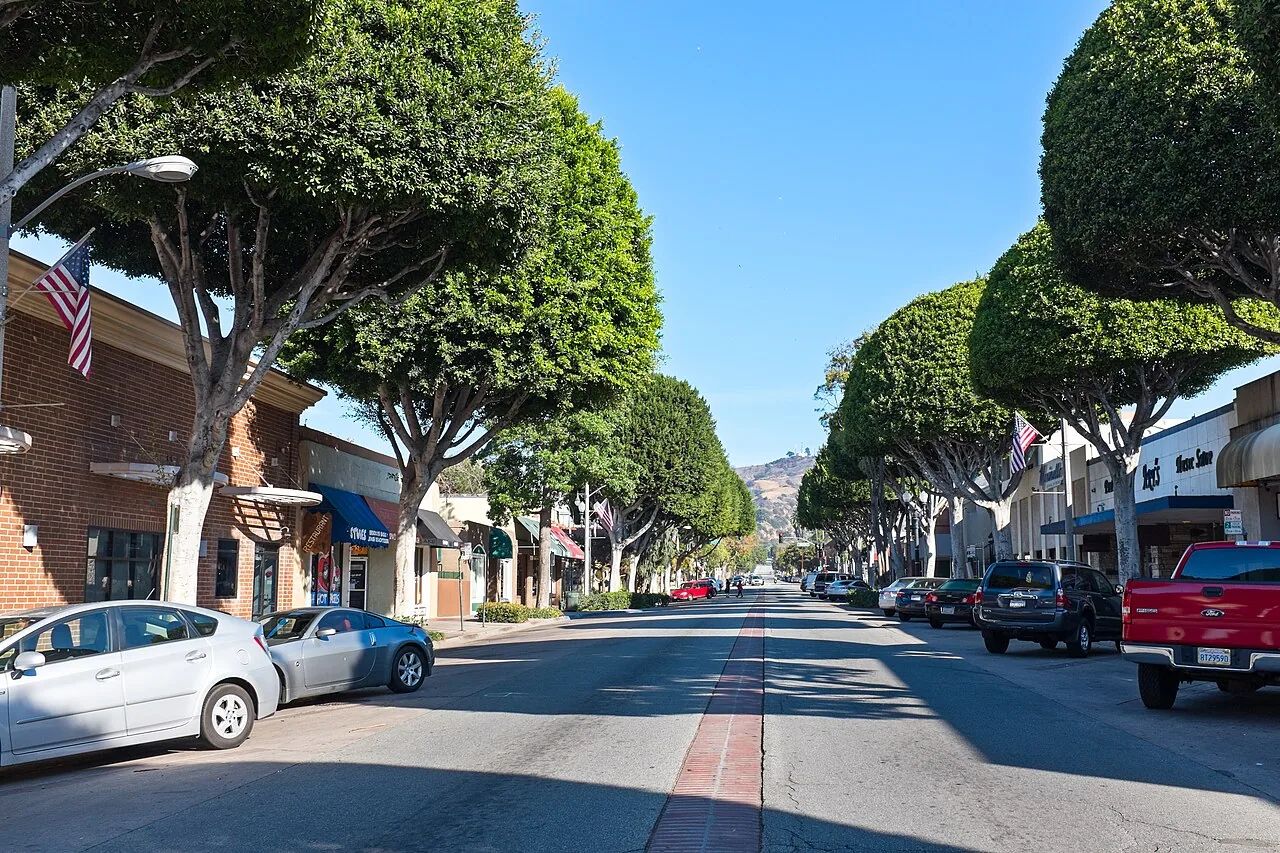
Uptown's commercial-street improvements include pedestrian crossings, parking, lighting, and outdoor-dining space. A roof job in that setting needs a checked ground approach before material delivery is scheduled. We arrange service from Huntington Beach, CA with the property's access contact and operating window. The current roof assembly determines the repair, while the building's entrances and occupied rooms determine how that repair can proceed safely.
Where can roofing material move without blocking people?
A staging position beside a busy doorway needs a clear boundary and a defined delivery time. We examine the approach, lift clearance, debris collection, and alternative routes with the site contact. Pedestrians should not pass through unprotected overhead work. If a safe separation is unavailable during operating hours, the affected task needs a different window. The same review applies to any interior route used to reach the roof hatch.
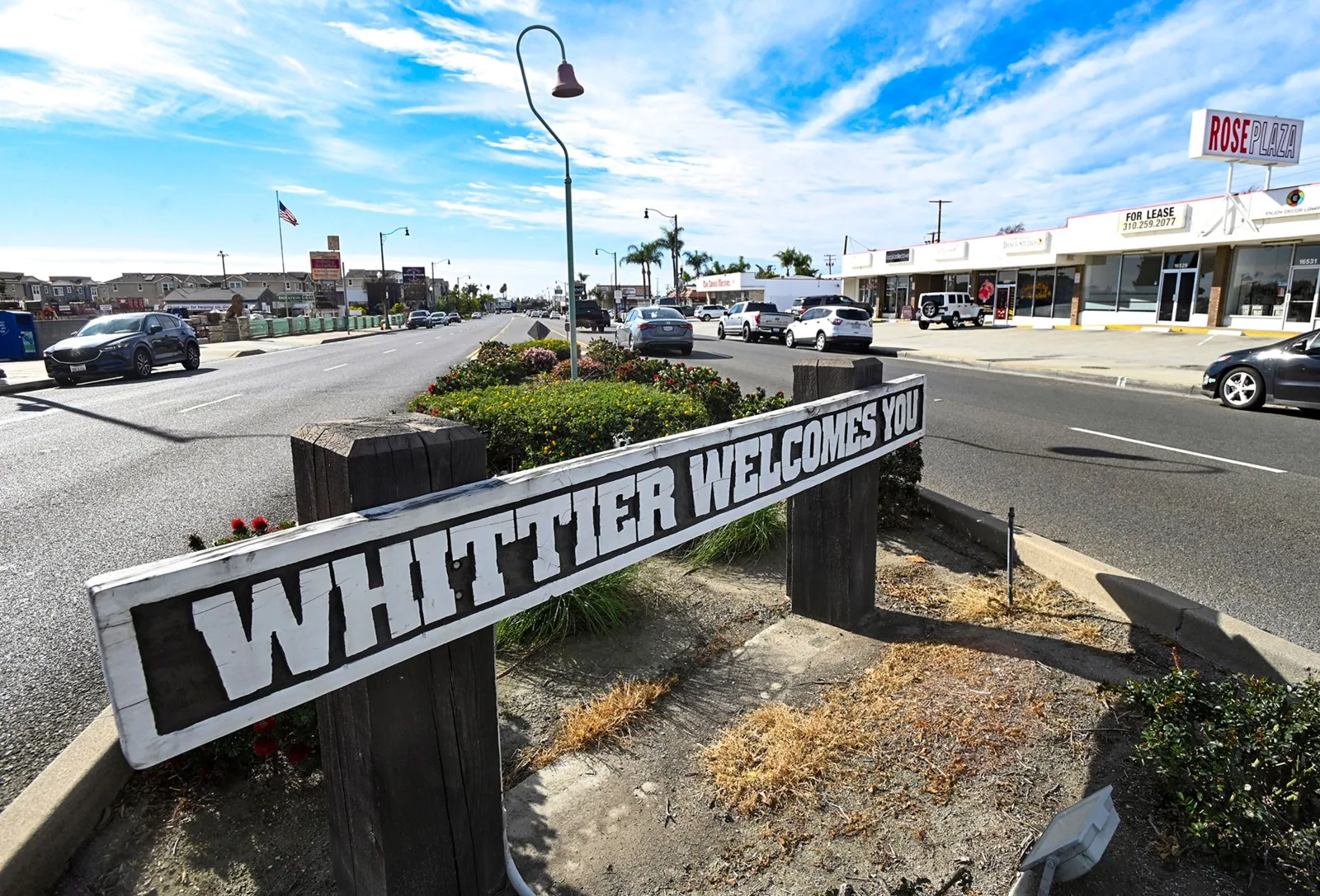
The Greenleaf Promenade program extends along Greenleaf Avenue between Hadley Street and Wardman Street as part of Uptown's town-center vision. For a property in that broader district, we confirm current access conditions instead of assume the street arrangement remains unchanged. A phased occupied-building roof project can keep work sections manageable, provided entrance protection and daily closure capacity are resolved before roof removal begins.
Is water entering behind the wall flashing?
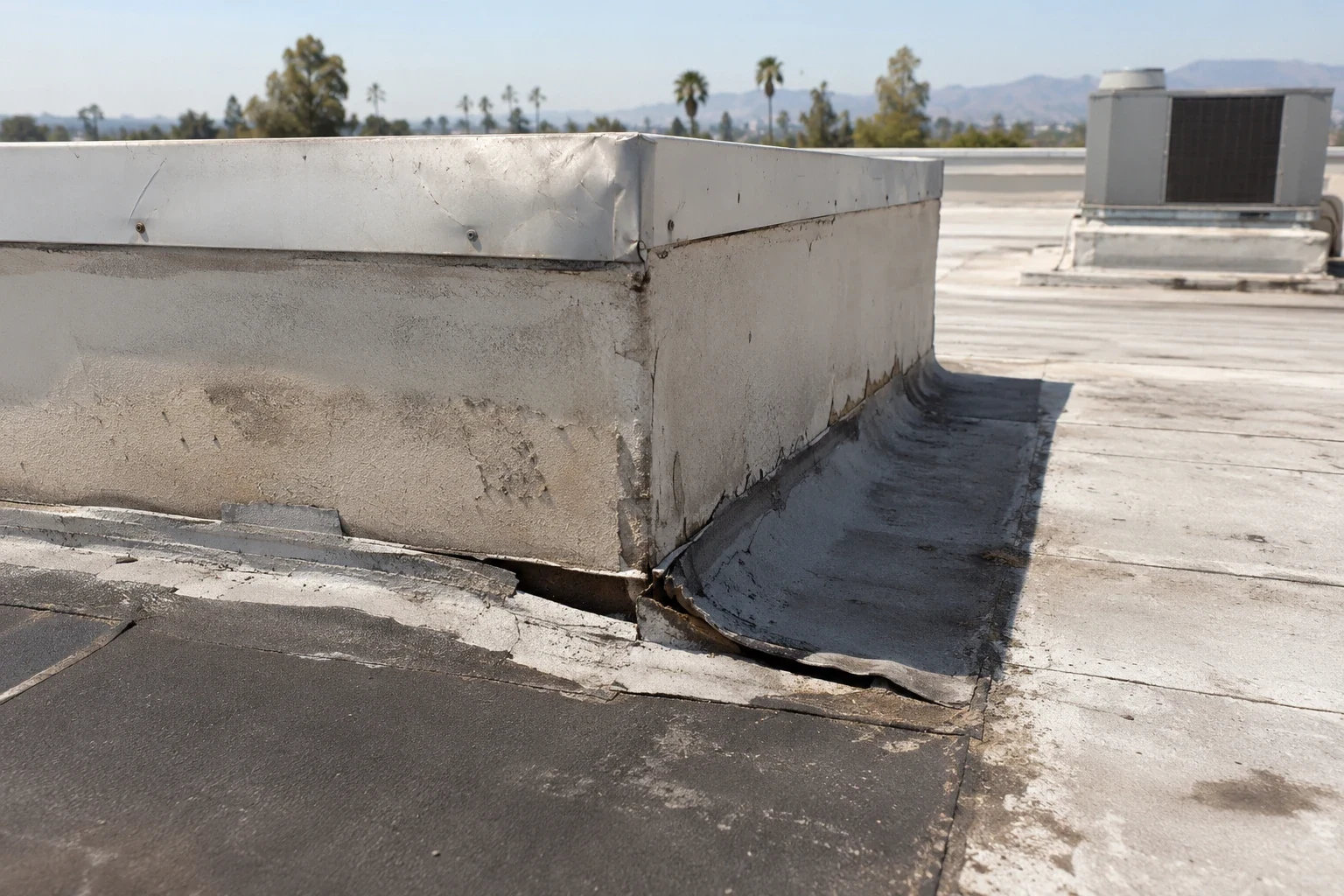
A separated top termination can admit water behind a vertical flashing sheet even where its lower tie-in remains sound. We inspect the top connection, corner detail, receiver, and nearby membrane. Loose counterflashing or moving wall joints can change the required repair. The permanent scope identifies the failed transition and any related trade task before a new membrane connection is installed against it.
Correcting the wall flashing requires suitable preparation and materials compatible with the existing roof. Old patches may need controlled removal where they obscure the receiver or interfere with bonding. We examine the surrounding assembly for moisture before setting the final boundary. A larger surface patch should not hide a moving joint or leave the upper entry route open behind the new material.
Could roof discharge affect the entrance below?
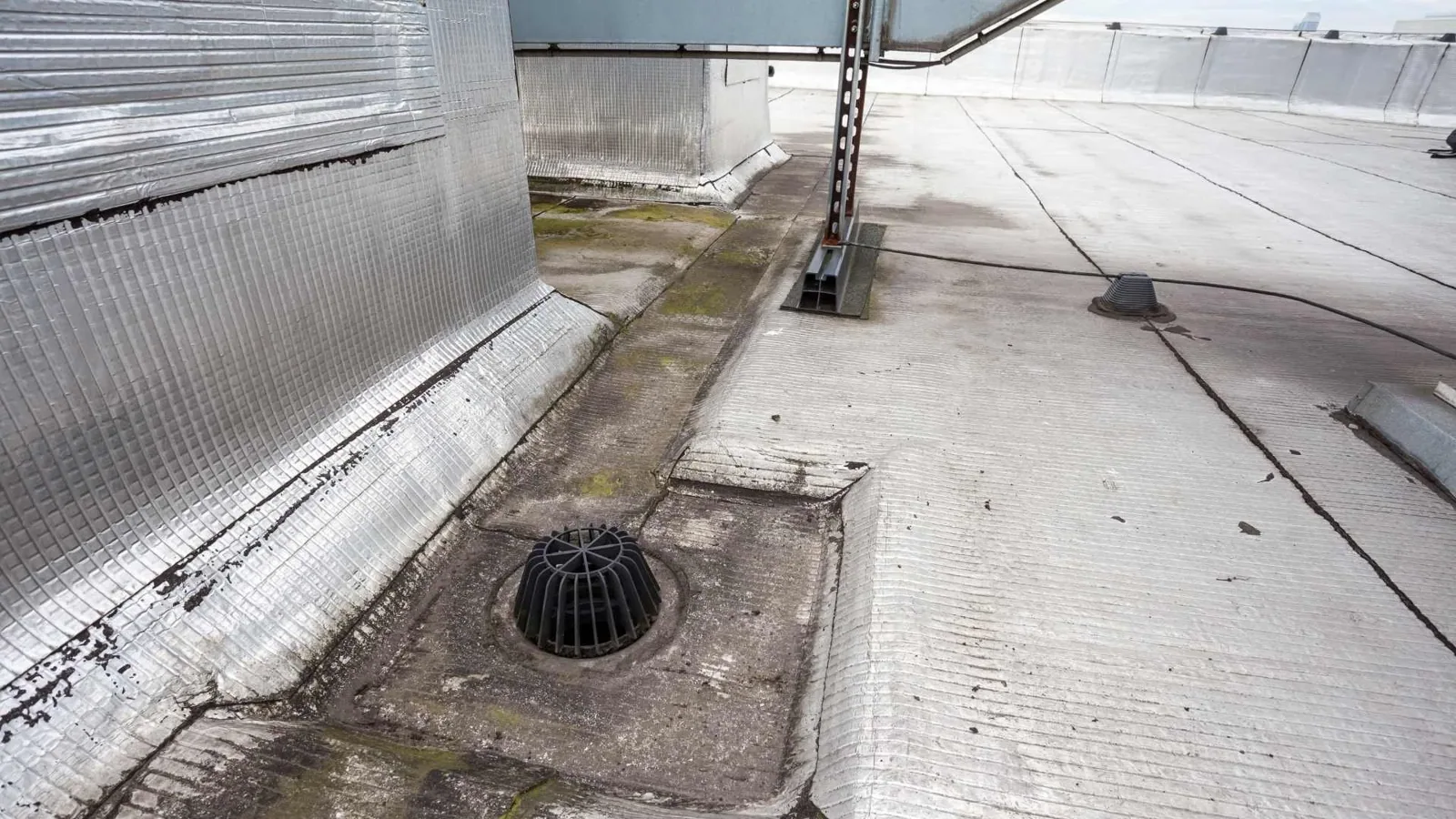
A roof outlet needs examination at its inlet and accessible downstream route. We check strainers, scupper throats, membrane connections, and exterior discharge for restriction or deterioration. Cleaning addresses debris; a damaged fitting or open metal joint needs repair. If water remains after cleaning, the roof plane may need another correction. We identify those separate conditions so the approved work follows the actual path.
Uptown's streetscape work includes curbs, gutters, sidewalks, parking, and crossings. At the building, we confirm how roof discharge meets the accessible exterior drainage and whether it creates a conflict with an entrance or pedestrian route. Repairing roof drains and scuppers should restore the intended outlet connection without sending water toward occupied space. Secondary drainage remains part of the inspection and must stay available during roofing work.
How do nearby Whittier roofs keep separate priorities?
A manager with an Uptown building and a Whittier Boulevard corridor property can coordinate access and approvals while retaining individual roof decisions. Each inspection identifies the assembly, affected rooms, and condition findings for that building. Service across Whittier should preserve those differences. One shared management contact does not make roof removal depth, equipment coordination, or entrance protection the same at every location.
For this Uptown property, the actual work height and ground approach affect delivery and debris removal. Indoor operations can add restrictions on dust, noise, and temporary closure. We identify those tasks with the corresponding roof section, then establish the operating window in which they can proceed. The proposal should explain the specific access consequence rather than include broad coordination language unrelated to the observed repair.
What finding would justify a larger removal area?
A wet layer beneath a failed transition can extend past the visible opening. We recommend confirmation where that extent affects repair, restoration, or replacement. Infrared screening can help locate test positions under suitable conditions, while physical examination establishes the material condition. The removal boundary follows sound construction and leaves a receiver suitable for the replacement layers and membrane connection.
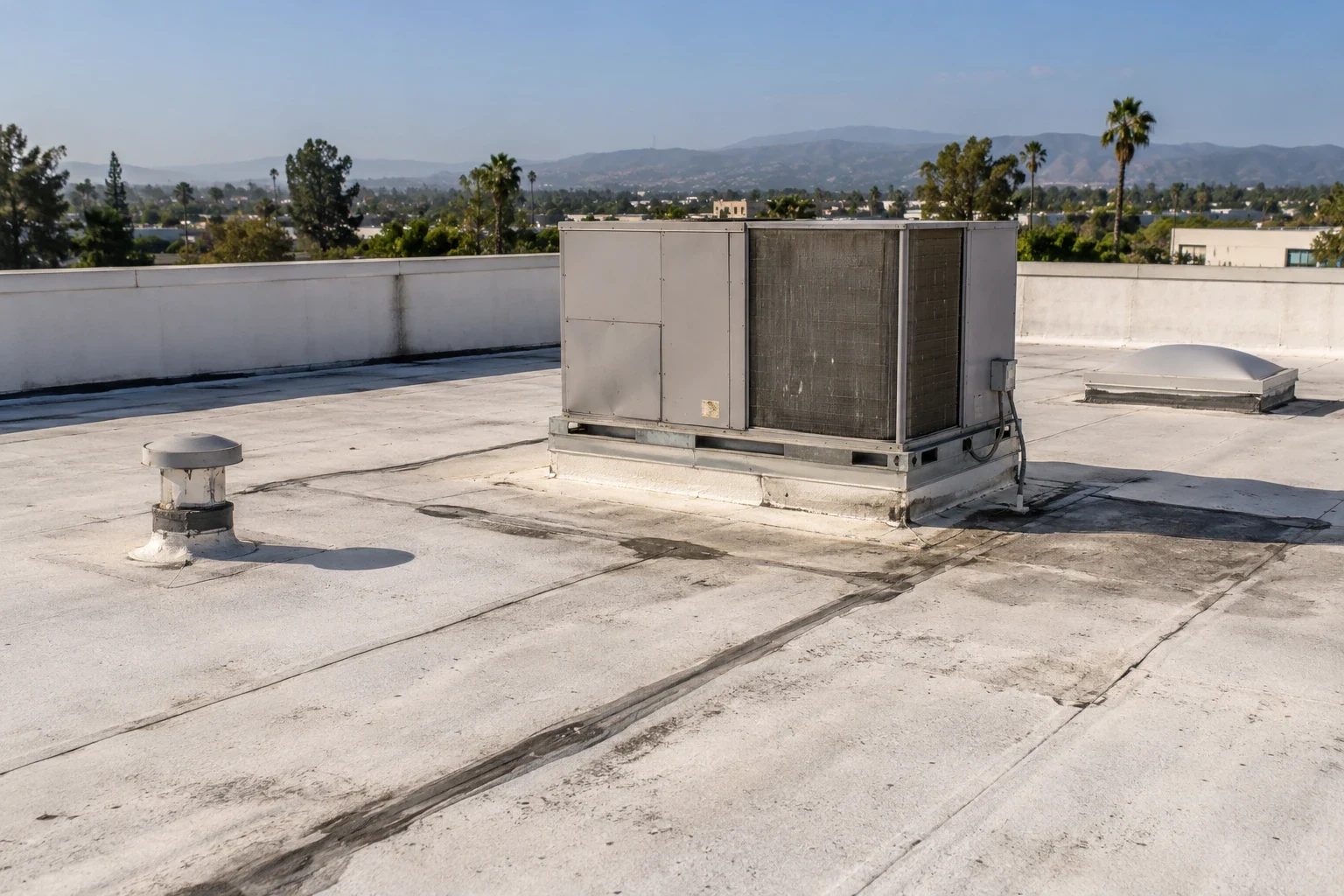
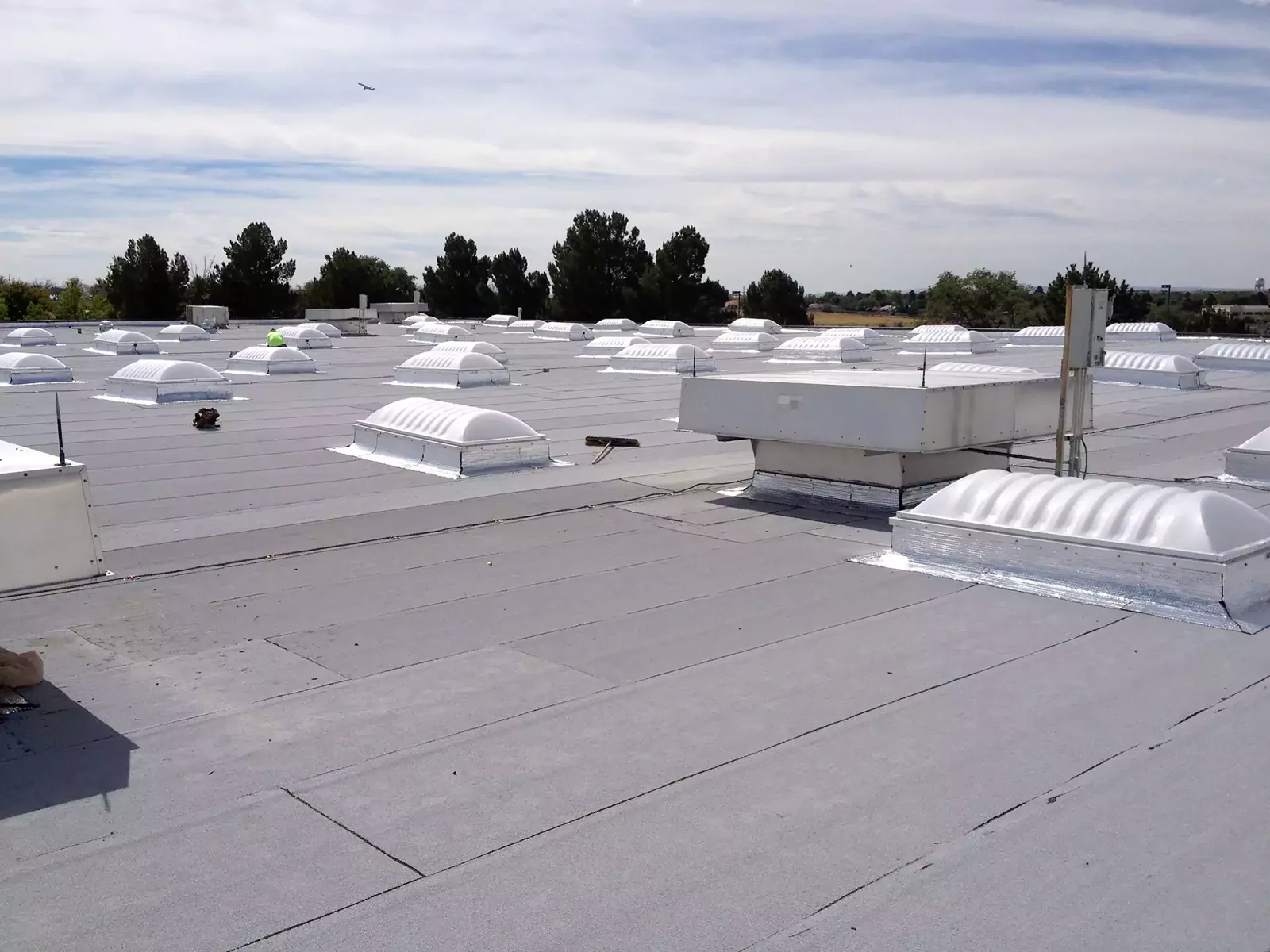
A dry, attached roof with localized failures can remain a repair candidate. Coating requires a stable, compatible surface with corrected defects and adequate adhesion; recover requires review of moisture, drainage, attachment, loading, and applicable assembly limits. A complete roof renewal becomes useful where removal is needed to address broader wet material or unstable construction. We explain what each option retains and how its unfinished sections will be protected.
How is work closed before the operating window ends?
An open roof section must be secured before weather or the end of the shift leaves it exposed. We size daily removal to that closure capacity, with interior protection maintained until the overhead work is safe. Newport Beach Harbor's nearby coastal normals place most rainfall in cooler months and very little in summer. The forecast and surface condition at the Whittier property still decide the actual preparation and installation window.
Costs and duration change with access height, receiver preparation, wet removal, disconnected work areas, and equipment handoffs. Larger alterations may require permit and energy decisions before material ordering. We identify those decisions early and finish membrane connections after equipment geometry is established. Completion photographs show the finished repair in its roof position, and unresolved outlet or equipment items keep a defined follow-up action.
Our urgent roofing response continues through nights, weekends, and holidays when active water entry needs attention. Temporary protection leads into permanent repair after safe access and installation conditions permit. A return check compares the repaired transition with later interior observations and any rooftop changes. Keep the original room report and repair position together so residual drying can be distinguished from a new entry route needing examination.
The final walkthrough also examines the approach used for material handling. Debris should be removed from the roof and accessible work area, and the protected entrance returned to service after the overhead exposure has ended. The site contact receives any remaining restriction that affects normal building use.
Commercial Roofing Questions
Can roof delivery be scheduled outside Uptown pedestrian activity?
The available approach and operating restrictions determine the delivery window. We inspect lift space, overhead clearance, and entrance separation with the site contact. If the work cannot be safely isolated during active use, delivery or debris removal needs a restricted period with the affected route clearly controlled.
Why inspect the top of a wall flashing if its lower edge looks intact?
Water can enter behind the upper termination and travel below an otherwise sound lower connection. We examine the whole accessible transition before selecting the repair. Restoring only the visible lower edge can leave the entry route open, so the scope identifies the failed component and its compatible connection.
How should a building manager compare a local repair with full renewal?
The comparison needs moisture, attachment, drainage, and receiver findings across the relevant roof areas. We describe the work each option corrects and the material it retains. Operating limits and access then show how the viable options differ in removal, protection, and completion sequence.
What should be reviewed after another trade works beside the repair?
Support contact, flashing terminations, new penetrations, and the nearby drain route deserve another check. We compare those positions with the roofing completion images and record changed conditions separately. Prompt attention to displaced pads or sharp debris can protect the repaired surface before another interior symptom develops.
Proudly Serving Huntington Beach and Nearby Cities
Commercial Roofers Huntington Beach
Huntington Beach, Westminster, Seal Beach, Fountain Valley,
Garden Grove, Newport Beach and nearby Orange County cities