
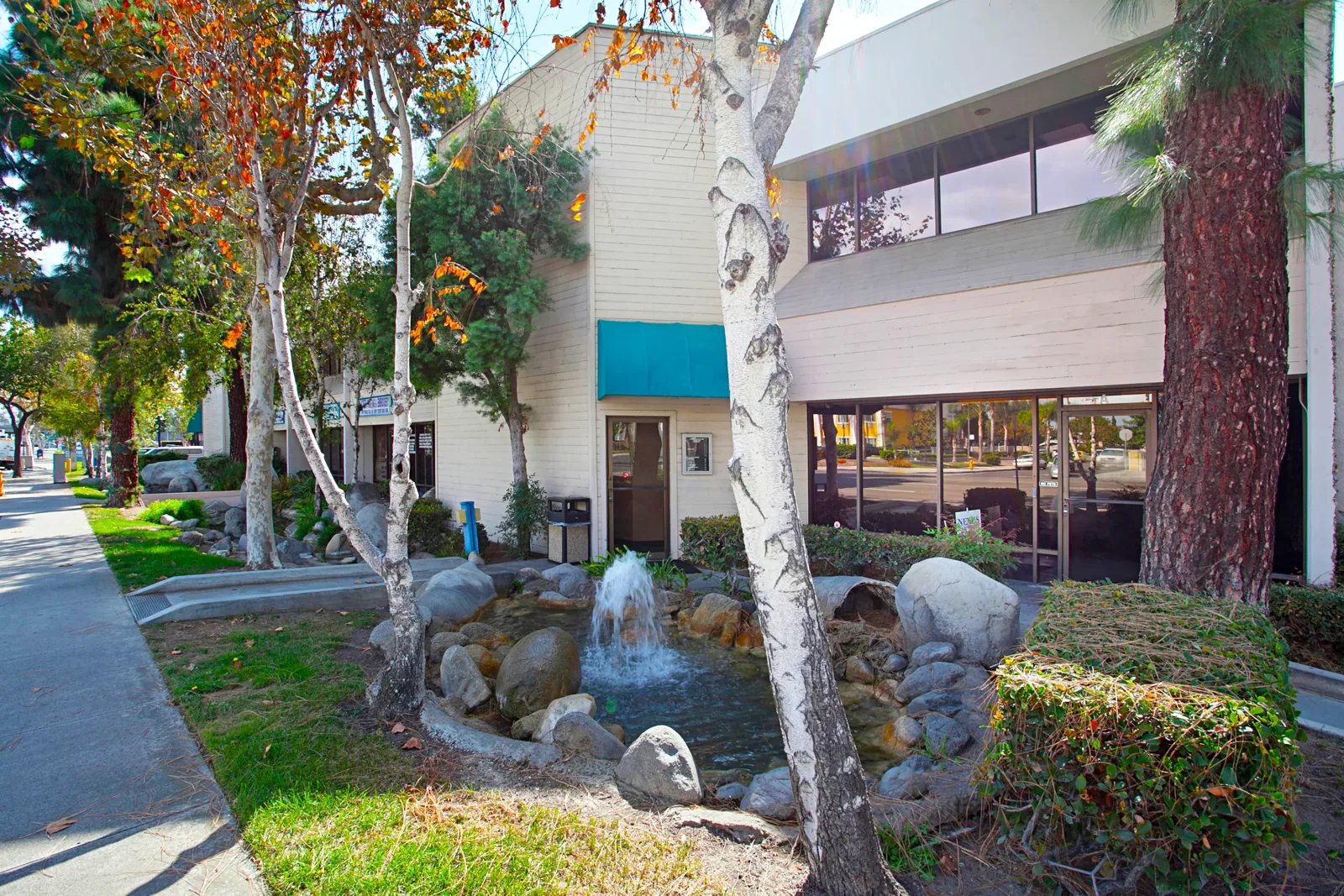
Commercial Roofing in West Grove Business District, Garden Grove, CA
Commercial roof work beside an active entrance in the West Grove Business District starts with a protected access route and an inspection of the reported area. The district follows Valley View Boulevard’s commercial stretch in Garden Grove, CA, serving a broader multi-property frontage. Commercial Roofers Huntington Beach repairs roof openings and evaluates larger projects at individual buildings without treating the whole corridor as one assembly. The site contact identifies wet rooms and operating restrictions before roof access is arranged.
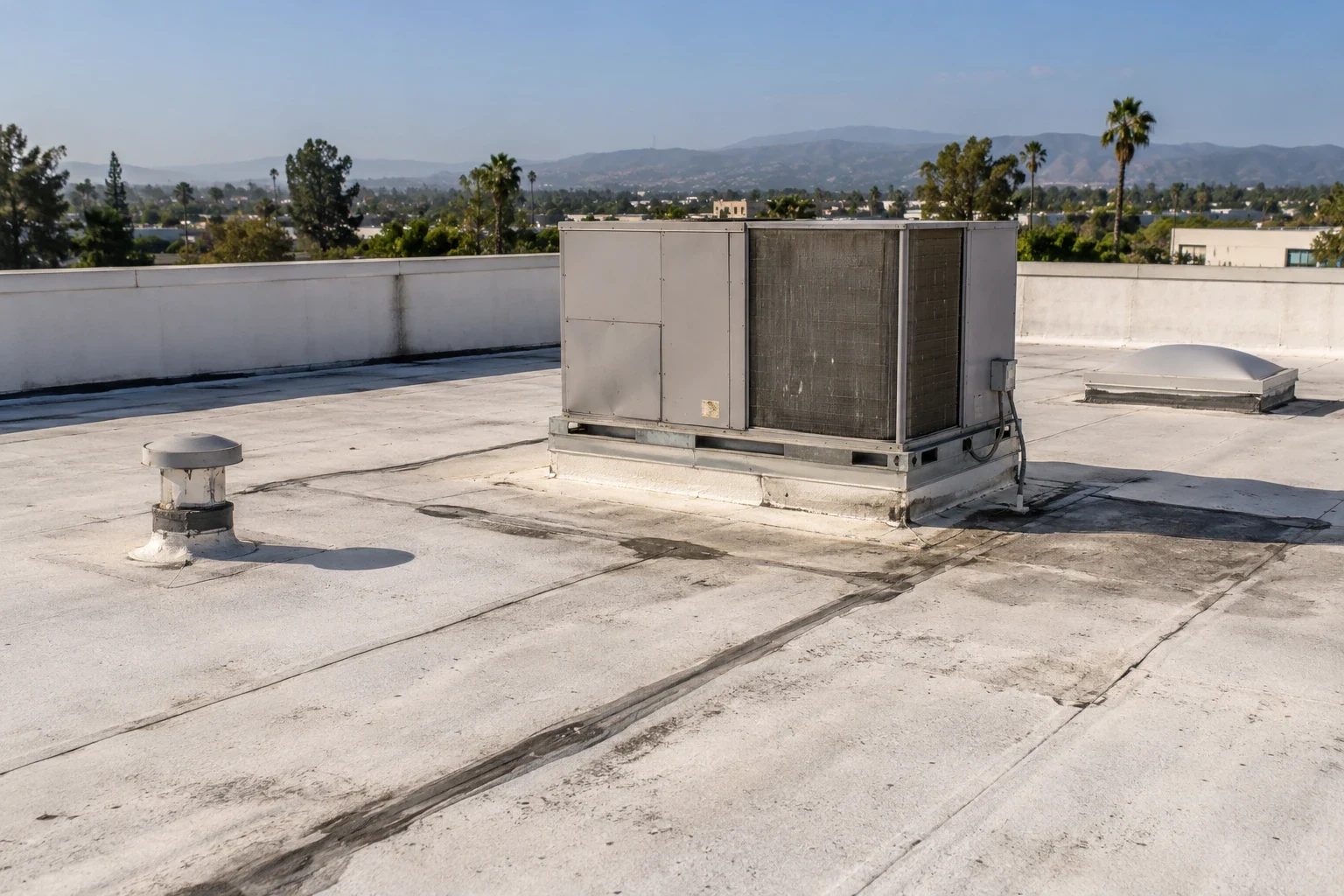
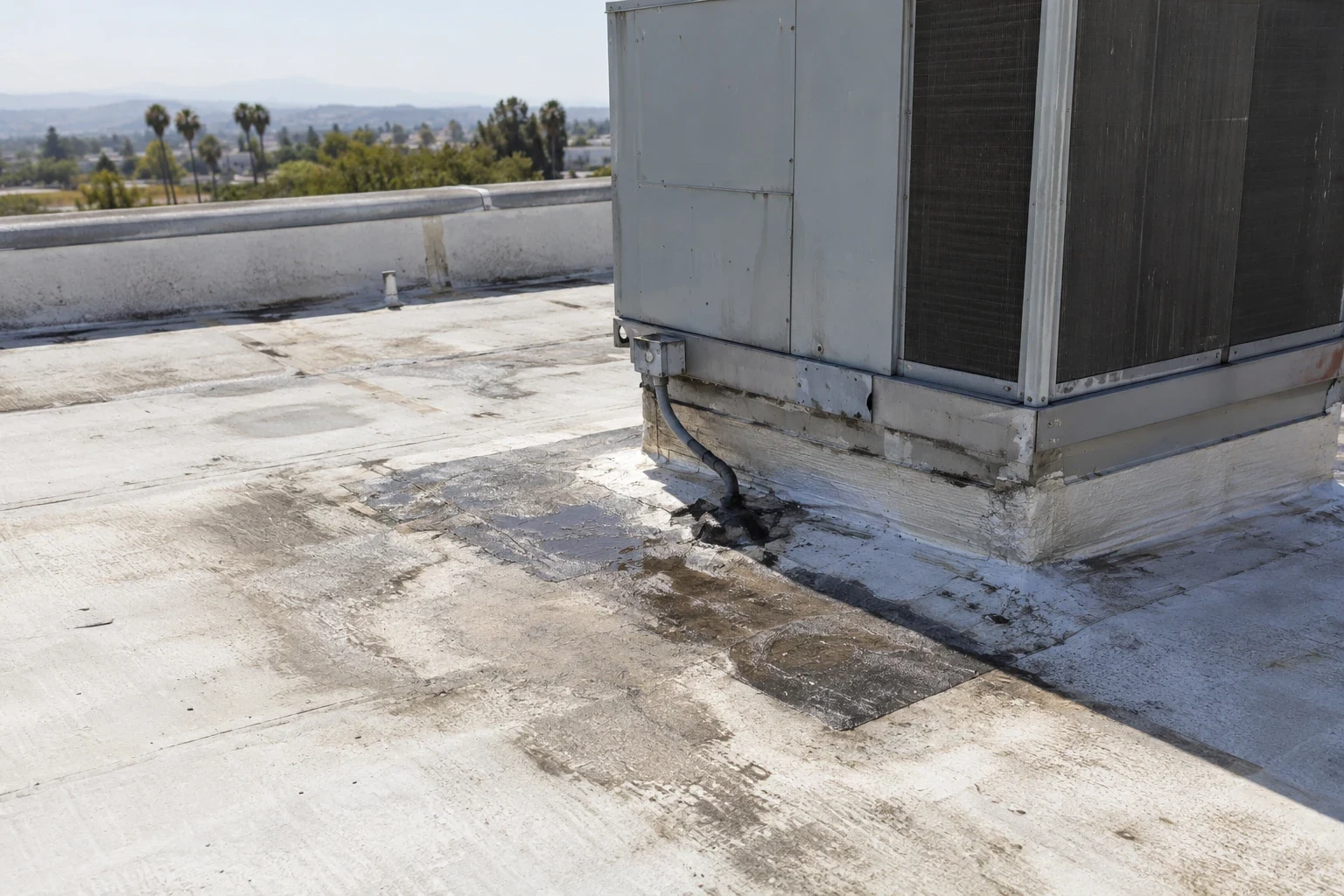
For a leaking connection, we inspect the receiver and surrounding drainage before selecting permanent material. An entrance restriction, equipment change, or concealed wet layer can alter the repair sequence, so the work boundary is explained with the operating effect. We also inspect and maintain commercial roofs where the owner is planning future work rather than reporting active water. Around-the-clock emergency response includes weekends and holidays, with protection installed as soon as safe access and field conditions support the step.
Where can roof materials arrive without blocking the entrance?
Valley View Boulevard’s commercial frontage was recognized as the West Grove Business District by Garden Grove’s City Council. For roof work at a property there, we inspect the actual unloading position, pedestrian route, and service access before mobilizing. A corridor setting makes those questions useful, while the building layout supplies the answers. The manager confirms which door or lane needs to stay available and where a temporary restriction can be maintained.
Material placement and debris removal require separate attention. A roof access route that works for technicians may not be suitable for moving insulation or removed roofing. We establish the loading path and the protection below any lift position, then connect them to the daily work area. Roofing phased around occupied commercial space includes the opening and closure plan as well as the ground restriction. Work should advance with a known route rather than require customers to pass through unloading activity.
Which roof details explain the interior water report?
A ceiling stain needs a position on the building plan and its timing relative to rain or equipment operation. We examine nearby seams, curbs, roof levels, wall terminations, and drain connections. Water moving below the surface can appear away from the opening, so the closest roof penetration is not assumed to be the cause. Photographs show the surrounding roof as well as the detail requiring correction.
For a repair connected to the traced water route, we remove unsuitable patch material where it conceals the receiver or prevents a sound tie-in. Compatible material and preparation follow the installed assembly. A moving support or loose counterflashing can require additional correction before the membrane is rebuilt. We identify those findings separately so a completed patch does not leave another part of the same connection open to weather.
Multiple interior reports are located individually. They can share a route or involve distinct defects with different repair needs. The roof inspection keeps those positions clear until the findings support combining them. Where interior access is unavailable, the record identifies the next useful check and the appointment needed to establish the repair boundary.
Does the roof surface lead water to a usable outlet?
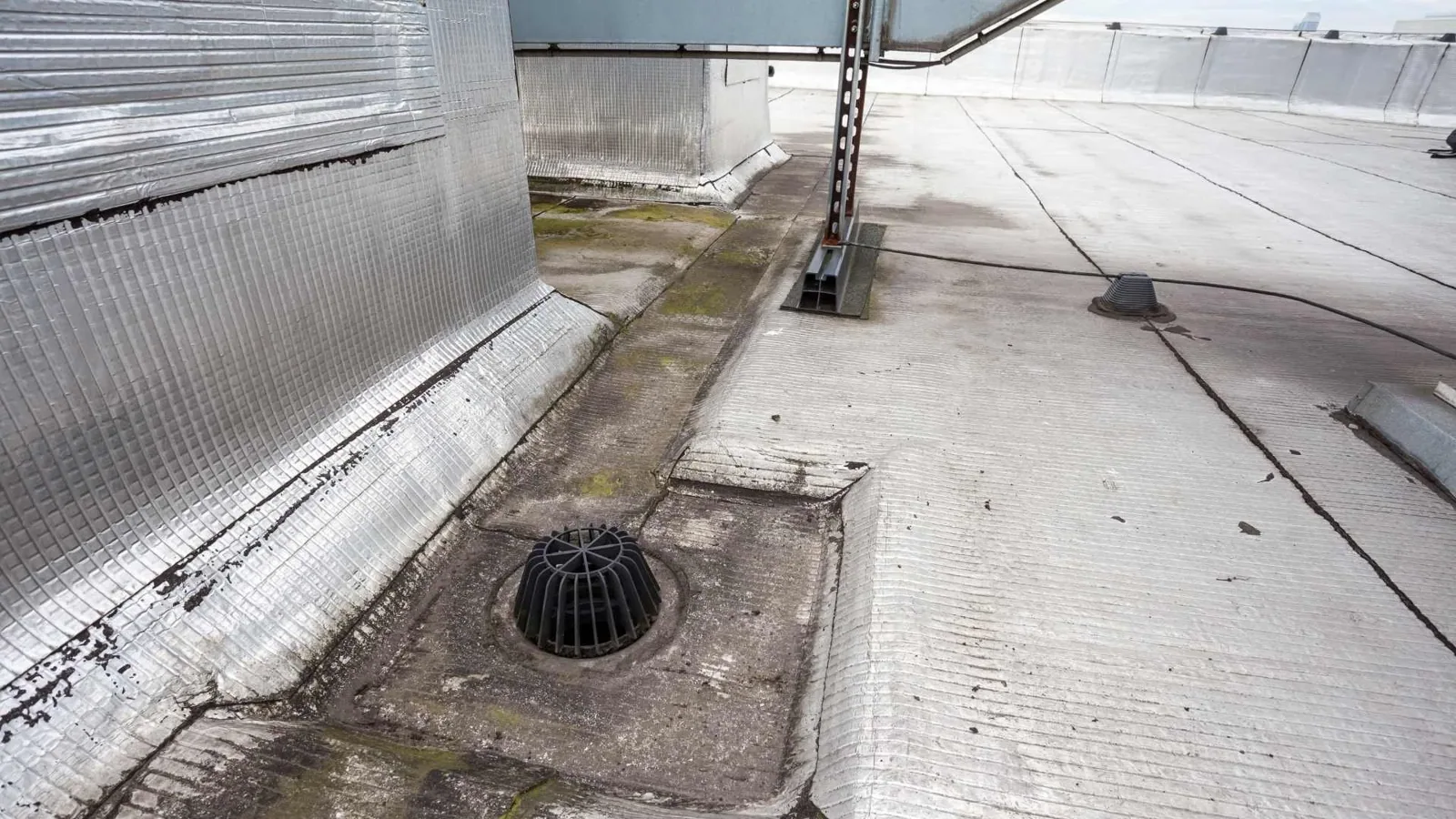
Debris lines, sediment, and damaged inlet connections can reveal a drainage problem during dry weather. We follow the accessible flow route and inspect where it leaves the roof. A clear strainer cannot empty a depression below the inlet. A membrane patch cannot clear a blocked discharge farther downstream. The assessment separates cleaning, roofing repair, slope correction, and additional drainage service according to the conditions found.
Repair of the roof’s drainage connections preserves a continuous weather seal at the outlet and considers the area feeding it. If assembly thickness changes, the drain and adjoining flashing relationship need review. We identify any proposed elevation correction with its receiving outlet so the work does not simply move retained water to another roof zone. Discharge near an occupied entrance also needs attention to the actual ground route.
Newport Beach Harbor’s normal summer precipitation is close to zero, with the wetter season occurring during cooler months. That nearby coastal pattern supports planning drainage attention before winter. The inspection still uses the observed roof condition, and the day’s forecast guides exposure and preparation. A maintenance visit in dry weather can record the water boundary and outlet defect without waiting for another interior drip.
What would justify repair, restoration, or removal?
Sound adjacent membrane and dry stable layers can support a focused repair. Widespread separation, wet insulation, or uncertain attachment can require examination before the existing construction remains beneath new work. We identify which test locations would change that choice and explain what confirmation is needed. The owner receives the retained-layer requirements rather than an overlay proposal based only on the visible surface.
A roof restoration assessment considers compatibility, preparation, repaired details, and receiving-roof condition. Coating does not correct an unstable deck or remove trapped moisture. Replacement can expose layers needing correction and allow coordinated insulation or drainage changes. We compare the work each option resolves, the temporary restrictions it needs, and the follow-up expected. Cost and timing drivers include access, concealed removal, equipment adjustment, and the number of detailed connections.
How can a corridor property keep the roof decision current?
The West Grove Business District lies in West Garden Grove near Seal Beach, Cypress, Los Alamitos, Westminster, and Stanton. A manager coordinating buildings in Garden Grove and Seal Beach can align visits while keeping separate findings and repair limits for each roof. At the district property, completed photographs and materials are connected to the original inspection positions rather than filed as an unidentified service invoice.
A condition report retaining the roof positions identifies corrections, concealed removal, and open trade or access items. The manager can compare a later water report with that known work area and arrange a focused return check. Equipment changes should be added to the same building record. A revised curb or new support affects the roof connection and needs coordinated examination before the next membrane alteration proceeds.
Protect the finished work during later maintenance by identifying vulnerable seams and flashing corners along service routes. We review those positions with the site contact when access is part of the original scope. The completed record then supports practical roof use as well as the next budgeting decision.
Commercial Roofing Questions
Can a roof inspection proceed before an interior access appointment?
Accessible exterior findings can establish useful next steps while the manager arranges the affected room visit. We mark the reported roof zone and identify what remains to be checked inside. The permanent boundary should account for that missing observation where it could change the traced water route or concealed-condition decision.
Will a coating keep us from closing a commercial entrance?
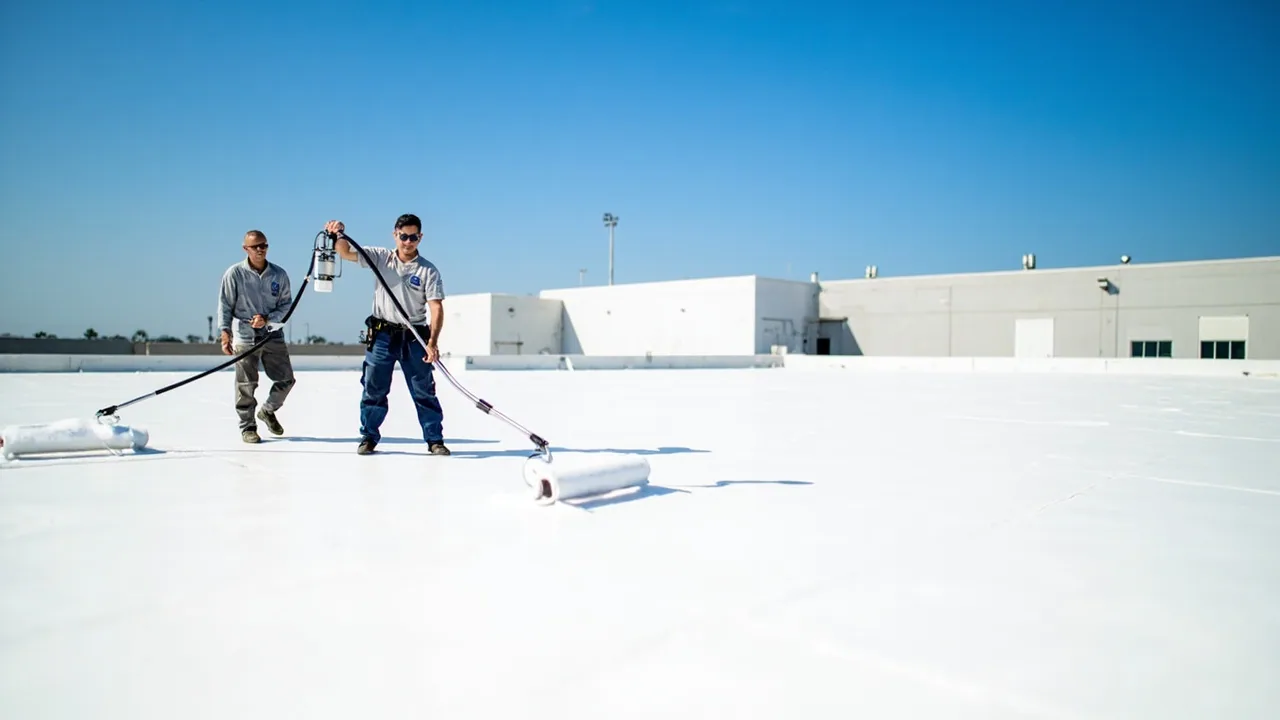
Application still needs suitable staging, preparation, and separation from occupied routes. We assess those exposures with the receiving roof before proposing restoration. Some work can occur away from an entrance, while another phase may need a temporary restriction. The schedule identifies the affected access rather than assuming coating causes no disruption.
Why should drainage be checked during a small flashing repair?
Retained water can keep pressure on the failed connection after a surface correction. We inspect nearby flow and the accessible outlet while establishing the repair. Any additional cleaning or drainage correction is identified separately so the new flashing is not left beside the same unresolved pool.
What should we report after the first rainfall following repair?
Record whether the original room stayed dry and whether a new symptom appeared in another position. We compare those observations with the completed roof detail and discharge conditions. That information guides the return visit toward the known repair and any newly reported route rather than a general building-wide complaint.



Proudly Serving Huntington Beach and Nearby Cities

Commercial Roofers Huntington Beach
Huntington Beach, Westminster, Seal Beach, Fountain Valley,
Garden Grove, Newport Beach and nearby Orange County cities