
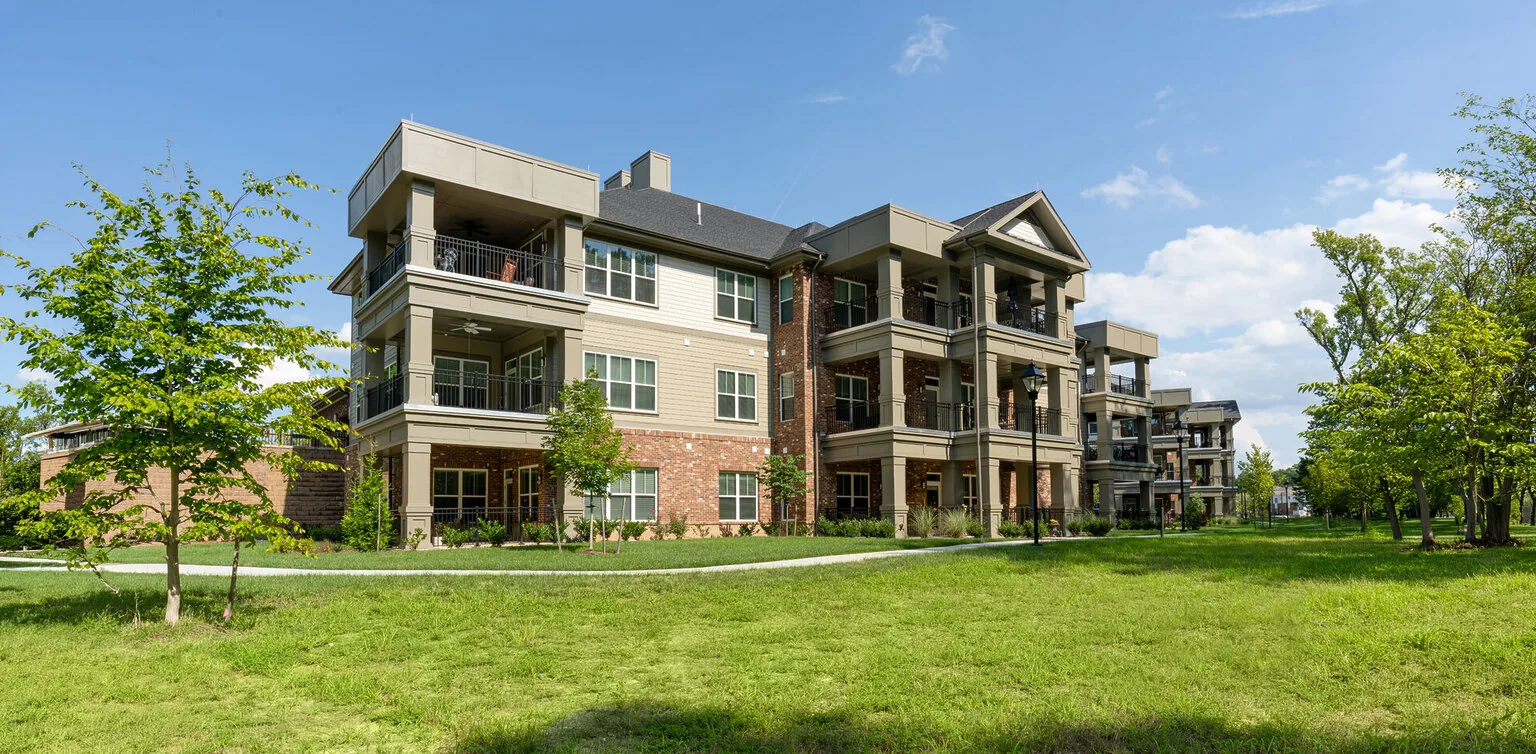
Senior Living Roofing in Huntington Beach, CA
A wet corridor beside resident rooms requires protection before a roofing decision can wait for the next facilities meeting. Commercial Roofers Huntington Beach services senior living roofs in Huntington Beach, CA, starting with the affected room, safe circulation and the roof access contact. Staff can identify where water appeared without leaving their care duties to climb a roof. We inspect the corresponding roof zone and explain which opening can be closed, which material needs testing and which interior limits affect the work.
Newport Beach Harbor records a coastal rainfall pattern concentrated in winter, with little summer rain. That nearby seasonal reference helps managers schedule preparation, while actual surface moisture determines whether roofing can proceed. A residence in a mixed-use coastal setting such as Sunset Beach also needs delivery and pedestrian arrangements suited to the property. We confirm those conditions before setting the repair extent.
Which resident routes must remain clear?
A rolling meal cart, mobility aid or visiting clinician needs a dependable route through the building. We review entrances, emergency exits, delivery doors and lift approaches with the facilities contact. Material movement stays separate from resident circulation, with barriers and temporary routing agreed before the crew arrives. Where a leak has made flooring unsafe, building staff controls the affected interior while we assess safe roof access and the exterior opening.
Roof noise can affect sleeping rooms and scheduled activities even without interior construction. The work plan identifies the rooms below each roof phase, the loud tasks and the expected access window. Adhesive selection and ventilation require attention near air intakes; the HVAC contact helps decide whether an intake needs temporary protection or an operating change. For adjoining residential and shared-use spaces, roof work over occupied housing involves a different movement plan from an empty commercial shell.
Urgent leaks can be reported at any hour, including weekends and holidays. We describe temporary protection separately from the permanent repair so the care team knows what remains exposed.
What needs checking above the affected room?
A stain near a bathroom or air-conditioning zone may involve plumbing, condensate or a roof opening. We compare the report with rainfall timing, equipment operation and the roof arrangement. Seams, equipment curbs, wall transitions and drainage outlets receive close inspection. A roof plan with room references helps distinguish nearby details without making staff search for the leak above an occupied wing. Photographs show both the affected detail and its position relative to surrounding roof features.
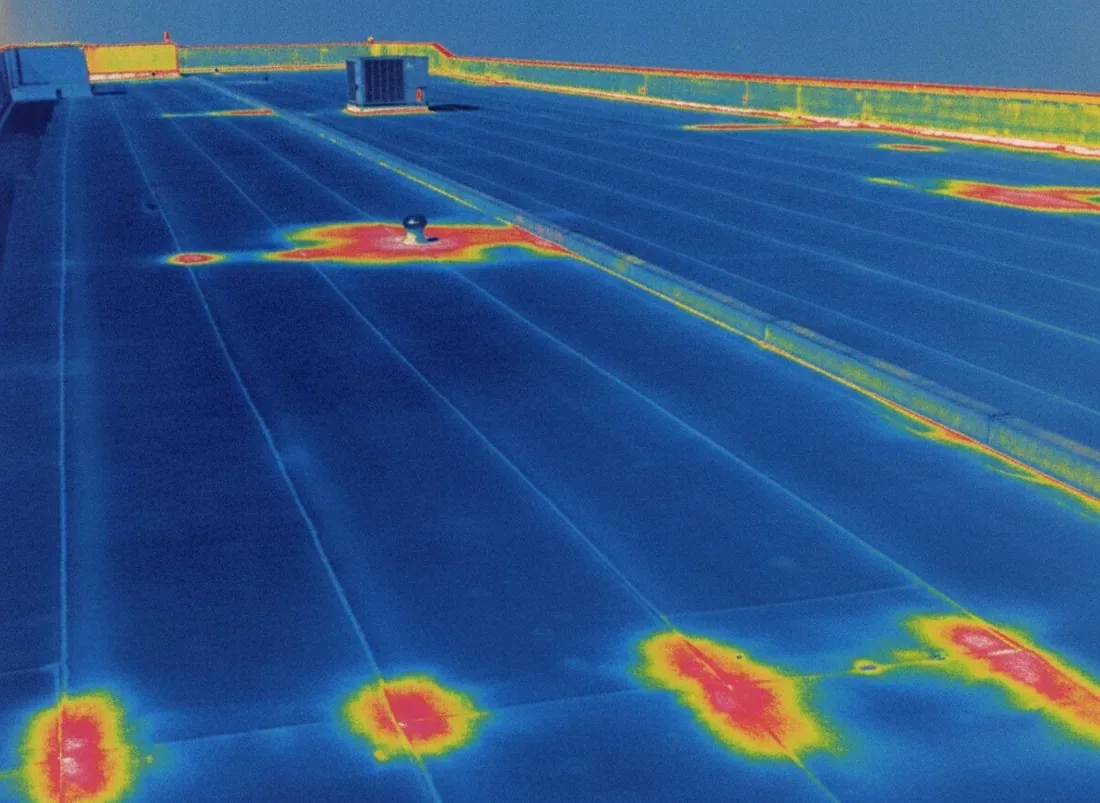
Soft insulation, repeated leaks or water emerging along several ceiling joints can require moisture testing before a repair boundary is approved. An infrared moisture survey can identify areas for further confirmation under suitable conditions. Selected openings or other appropriate tests establish whether insulation can remain. Wet roofing material needs an exterior removal plan and dry-in boundary; interior drying and care-area protection must be coordinated with the responsible building trades.
A broken support or moving pipe also needs correction at its cause. Roofing a flashing tightly around an unstable penetration leaves the same movement acting on the new material.
Can drainage work reduce repeated disruptions?
Debris at a drain bowl can hold water beside otherwise repairable membrane. We check the outlet, membrane connection, scupper opening and overflow arrangement rather than patching only the first split found. Cleaning and flashing repairs may be sufficient where the drain path is sound. A low area caused by compressed insulation or inadequate slope needs a broader review, especially if water returns after each rain and reaches several resident rooms.
Huntington Beach includes public, residential and mixed-use areas alongside its commercial districts. A senior community therefore needs a property-specific drainage and access plan, not assumptions borrowed from an industrial yard. In Sunset Beach, residential uses share parts of the visitor-commercial setting. Water discharge and material staging must respect the adjoining occupied spaces. We record where roof water goes and keep temporary coverings from blocking its intended route.
For a replacement, tapered insulation may improve drainage, but new heights must be checked against curbs, perimeter details and outlets. The design decision belongs in the scope before membrane installation begins.
Which roofing option fits a working care building?
A defined flashing failure in dry, sound surrounding material may suit a local repair. Extensive wet layers, deteriorated decking or widespread membrane failure call for a larger removal assessment. A recover can reduce removal activity only where existing material, attachment, structural capacity and applicable requirements support another assembly. We explain retained layers and necessary removal separately, so the operating plan reflects the actual work above each wing.
Low-slope areas may suit welded single-ply membranes, while existing metal or steeper roof portions need their own details. System selection considers drainage, maintenance access, rooftop equipment and the connection between roof levels. For a property that combines resident rooms with treatment spaces, roofing near clinical operations needs coordination with the rooms and air systems below. We compare practical maintenance needs rather than choosing solely by membrane color or the least disruptive delivery.
Unusual roof penetrations, wet insulation disposal, difficult lifting access and temporary protection affect cost. Defined phases also require repeated setup and secure closure, which should be included in the work scope.
How is each roof phase handed back?
An open roof area must be small enough to close safely within the available weather and operating window. We agree on the daily work limit, protection below and the point at which removal stops if conditions change. A Santa Ana event can bring warm, dry offshore winds and alter lifting or exposed-material work. The crew reassesses those tasks rather than relying on the season alone to keep a resident wing protected.
The occupied-building replacement plan identifies delivery routes, roof access and the contact who can resolve an operational conflict. At each closure, we check seams, flashing transitions, drains and temporary barriers. The facilities team receives photos of concealed work where relevant, completed roof areas and outstanding items. A written roof condition record keeps the roof zones connected to future maintenance decisions.
Resident communications should describe the affected areas and practical timing through the community's established channels. We supply the roofing sequence and any changed work window so managers can keep their notices accurate without promising a completion date before weather and concealed conditions are known.
Commercial Roofing Questions
Can a leaking resident wing be protected before replacement is approved?
A temporary cover or compatible temporary patch may protect a defined opening once safe access is available. We mark its limits and the required return work. Managers can then address immediate exposure while reviewing a permanent scope supported by the roof findings.
Will roofing odors require us to move residents?
Air intakes close to an application area need a material and ventilation review with the facilities and HVAC contacts. We discuss application methods and the occupied rooms served by those intakes before work. Any temporary operating restriction belongs in the schedule before residents receive notices.
What happens if removal exposes damaged decking above occupied rooms?
The crew secures the exposed roof area and documents the condition for the approved decision process. Deck repair may change material needs and daily removal limits. We coordinate interior protection with management and close a safe boundary before work advances to the next area.
Should we replace every building roof in the community together?
Separate condition records help decide that. Buildings with sound dry assemblies may need repairs while another needs replacement. We identify urgent work, viable interim protection and shared delivery opportunities, allowing the owner to compare coordinated construction against unnecessary removal of serviceable roofs.

Proudly Serving Huntington Beach and Nearby Cities

Commercial Roofers Huntington Beach
Huntington Beach, Westminster, Seal Beach, Fountain Valley,
Garden Grove, Newport Beach and nearby Orange County cities