
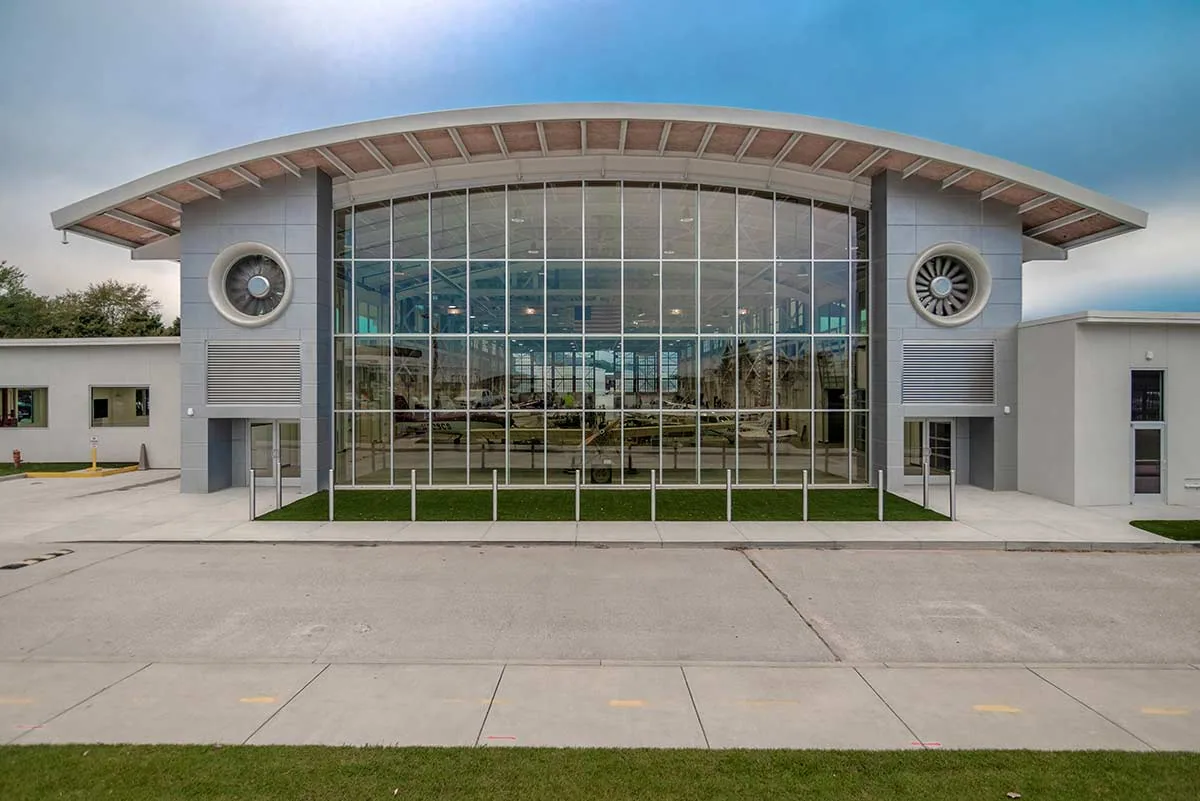
Aircraft Hangar Roofing in Huntington Beach, CA
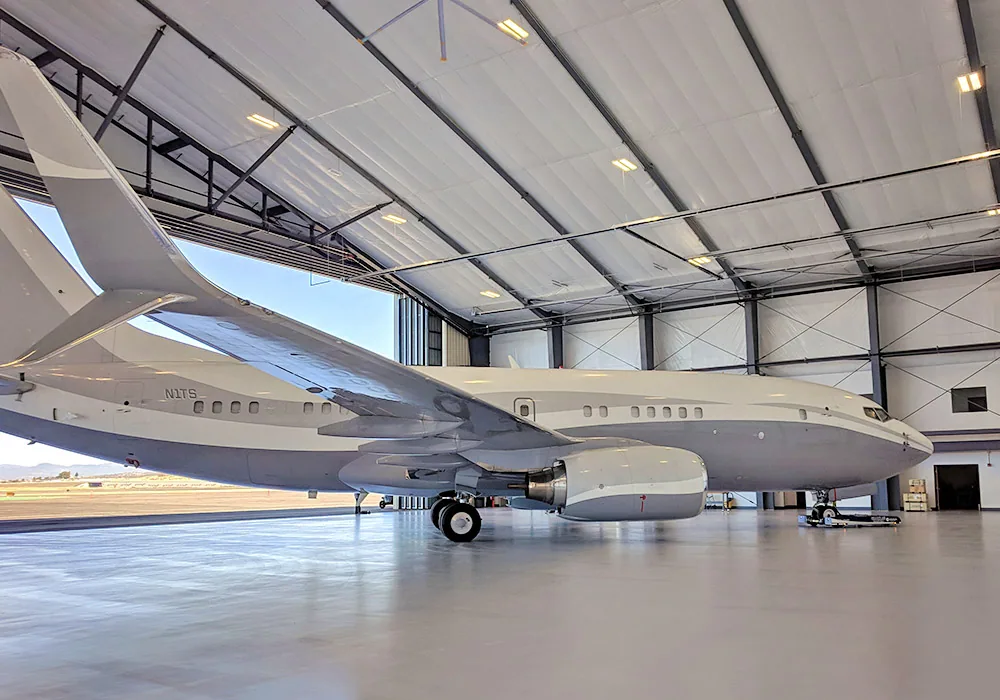
Water above a parked aircraft changes the order of a roof inspection. The operator first identifies the affected bay, clears people from electrical hazards, and decides whether the aircraft can move safely. Commercial Roofers Huntington Beach then checks the roof access route and protects an exposed opening where conditions permit. For aircraft hangar roofing serving Huntington Beach, CA, the repair boundary must account for valuable equipment below and the operating clearance outside the door.
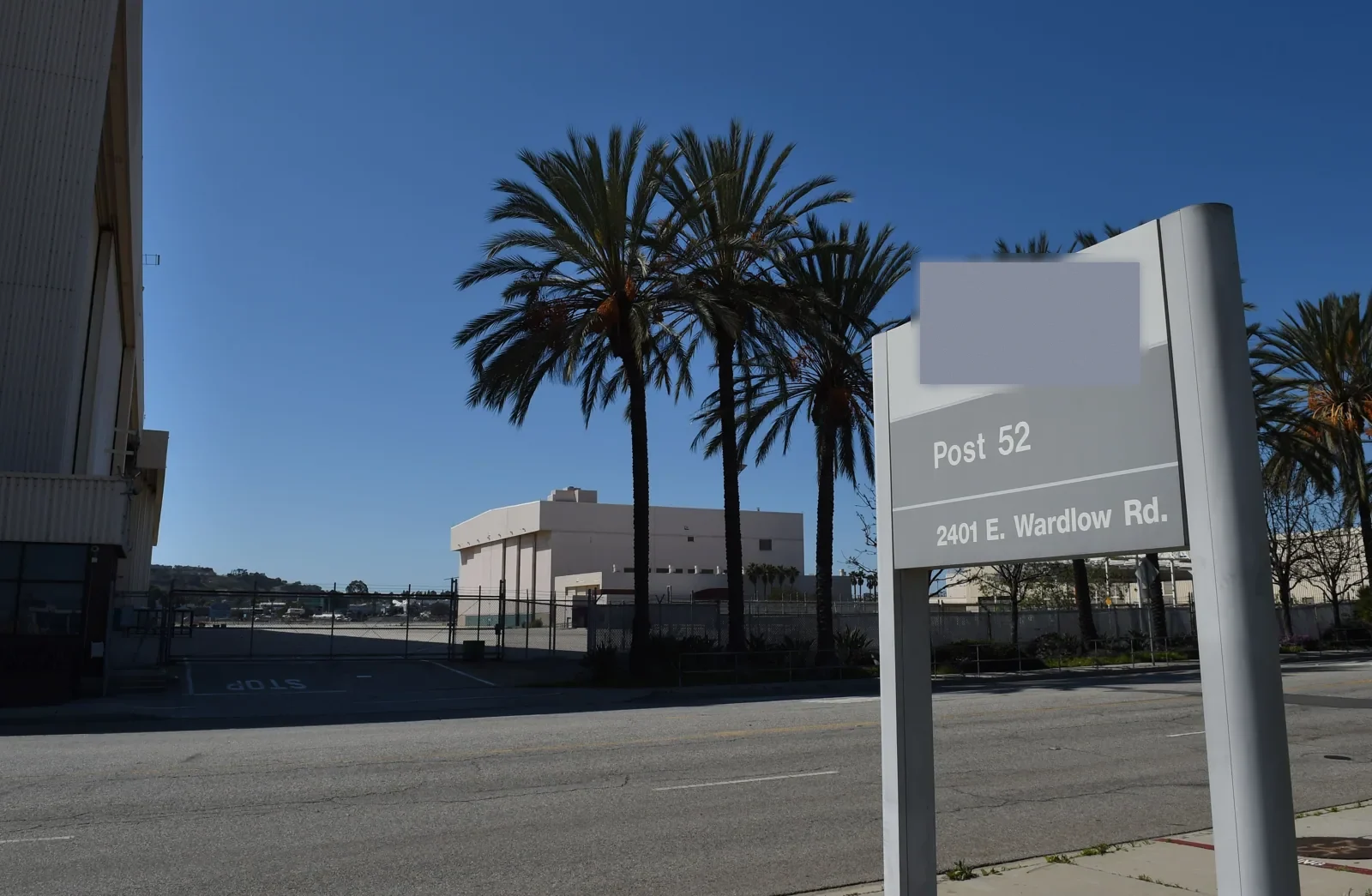
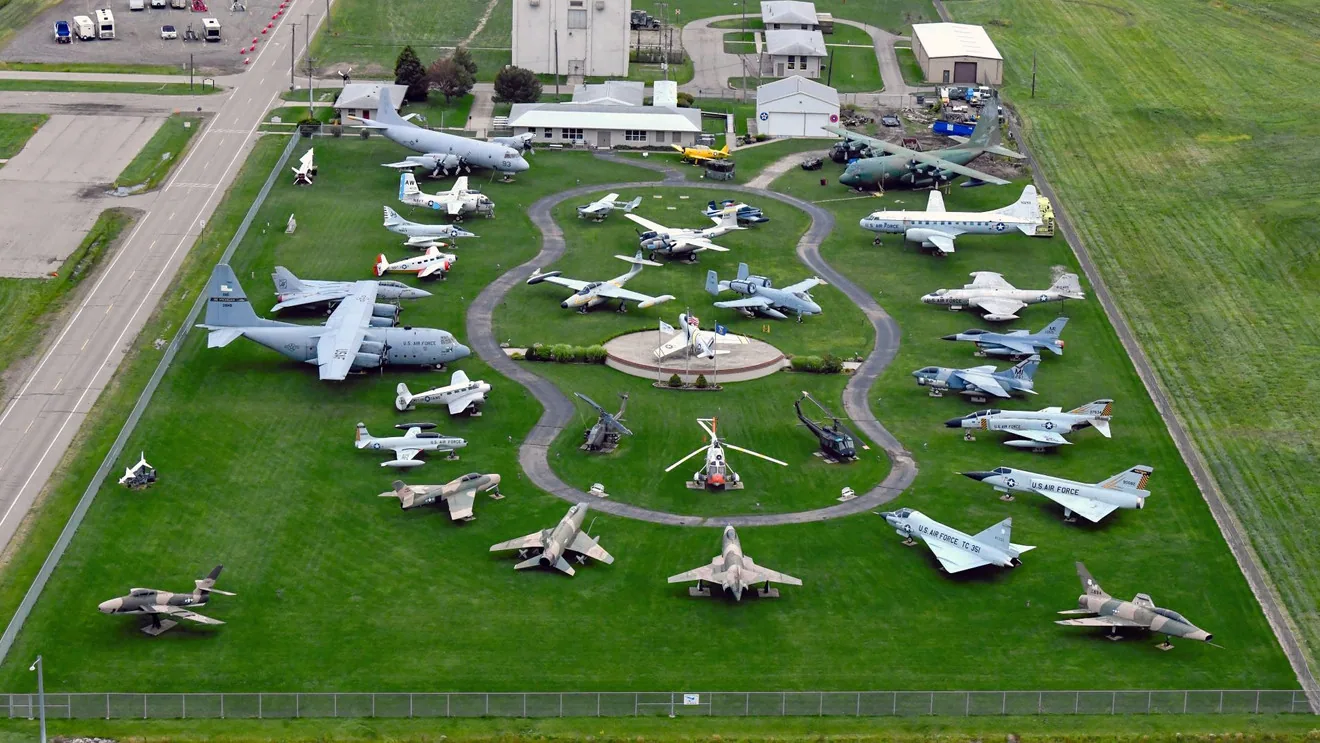
Nearby Joint Forces Training Base Los Alamitos has an active airfield with hangars, flightline pads, and aviation fuel infrastructure. That regional aviation setting makes flight activity, controlled access, and material containment meaningful planning questions. We establish those requirements with the facility contact before selecting a roof access window. An active leak can receive attention overnight, on weekends, or during a holiday, subject to safe access and operating restrictions.
Which bay can be cleared for roof work?
A hangar bay can contain aircraft, maintenance stands, tooling, electrical leads, and open components. We identify what occupies the floor directly beneath the proposed opening and agree on relocation or interior protection with the operator. A plastic cover over an aircraft is not a substitute for a controlled work boundary. Debris containment, fall protection, overhead lifting, and aircraft movements need separate arrangements, with someone authorized to stop the work if those arrangements change.
Large hangar doors also limit where lifts and deliveries can stand. We measure the working route against door travel, equipment height, emergency access, and the operator's movement schedule. A protected staging area keeps loose packaging and removed roof material away from operational surfaces. Where maintenance shares space with fabrication or assembly, roof work over production areas needs the same clear separation between overhead removal and sensitive activity below.
Is the opening at a metal lap or another transition?
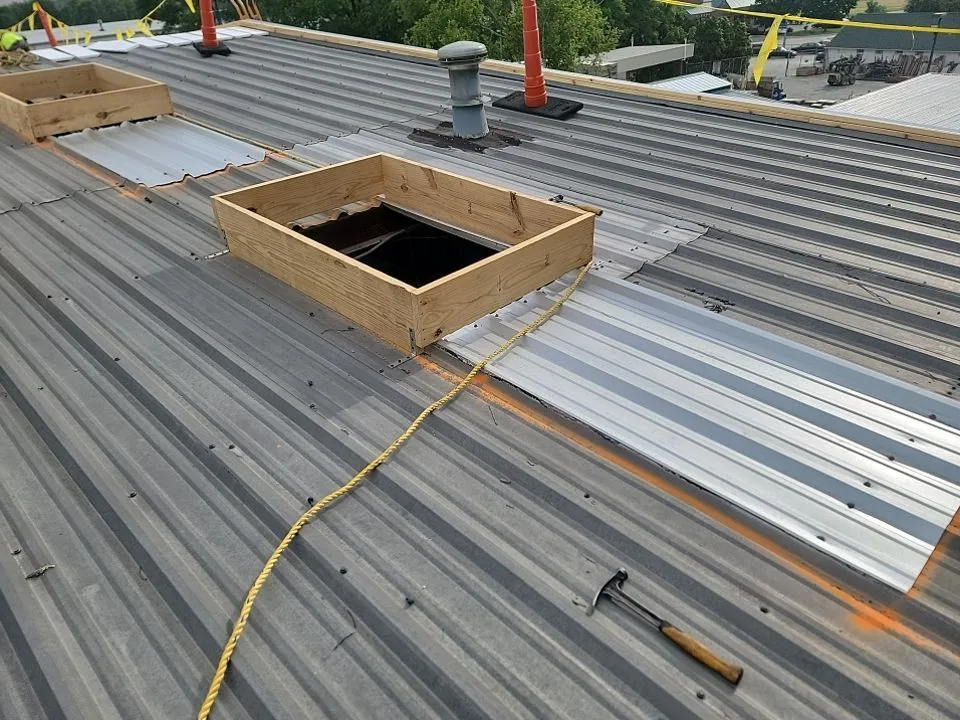
A streak beneath a metal panel joint calls for more than sealant over the visible line. We examine panel laps, fastening points, closures, ridge and wall transitions, and previous repairs. Metal expands and contracts as its temperature changes; a rigid patch across a moving connection can split or detach. The inspection establishes whether the panel is sound, whether attachment has loosened, and whether the water route begins at an adjacent flashing rather than the reported joint.
On an exposed-fastener roof, aged washers and enlarged holes can let water enter at repeated attachment points. A standing seam assembly needs a different check of seam engagement, clips, and movement allowances. We compare repair with a compatible metal retrofit only after evaluating the supporting assembly. Low-slope membrane areas above offices or enclosed support rooms receive their own repair details, rather than a metal-roof treatment carried across every surface.
Where does runoff leave the hangar?
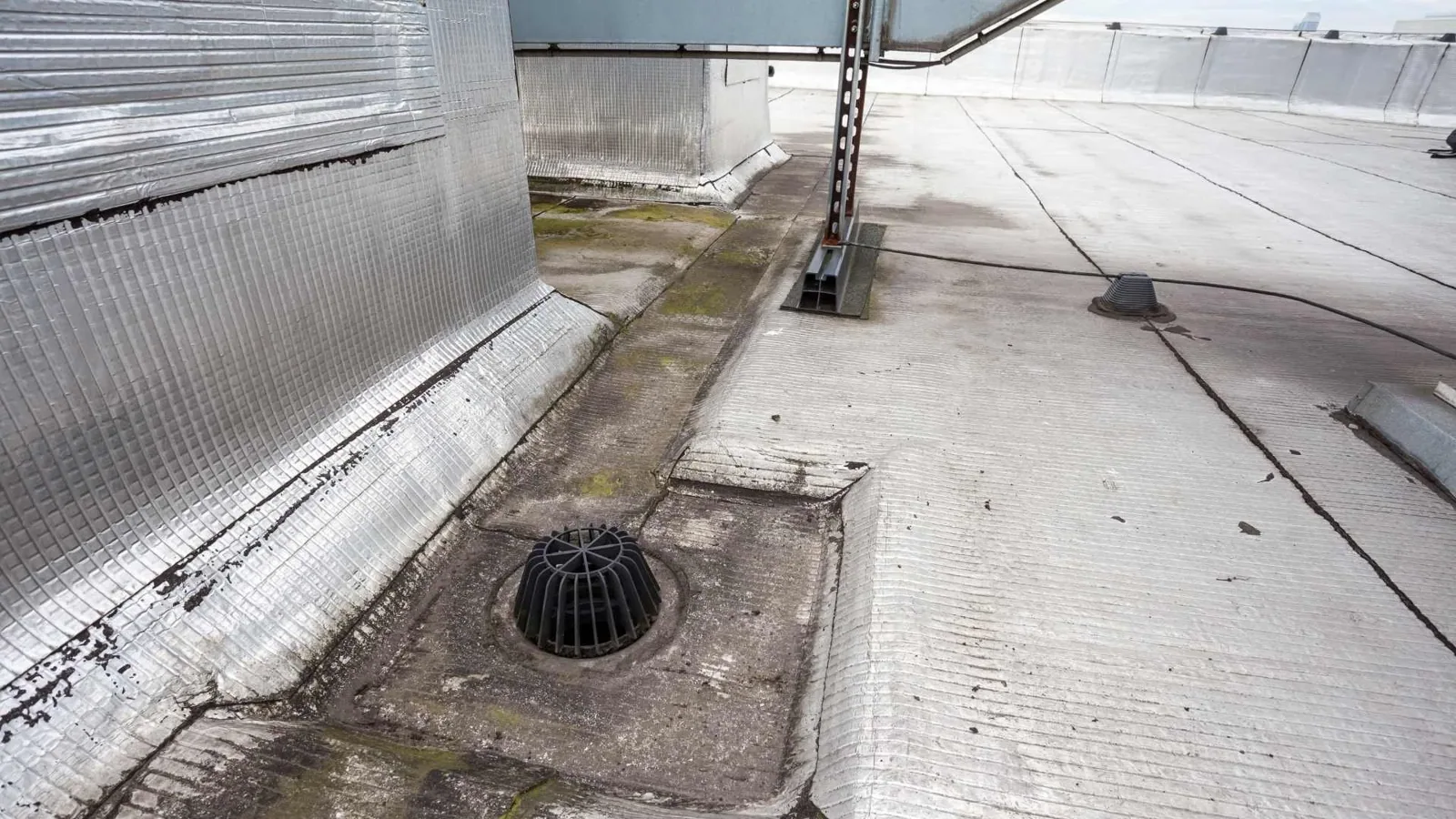
Water collected at a long gutter can affect a door opening even when the roof field remains intact. We trace runoff through gutters, downspouts, drains, and overflow outlets, checking sediment, loose joints, and discharge near working surfaces. Blocked drainage and failed roof flashing are different repair items. A drainage correction should identify the actual obstruction or low area and show how water will leave the building after service.
Newport Beach Harbor climate normals place most rainfall in the cooler months, with little summer rain. That nearby coastal pattern supports advance drainage work and a suitable dry preparation window; the daily forecast still determines whether an exposed roof section can close safely. Warm, dry offshore Santa Ana conditions can change access and material handling. We reassess loose items, lifting, and application conditions before opening the roof, especially where an airfield has its own wind restrictions.
What would enlarge a localized hangar repair?
A damaged flashing beside otherwise sound roofing may support a focused repair. Corroded panels, deteriorated deck, wet insulation, or failing attachments across several areas can require a broader scope. We distinguish the visible opening from the concealed condition beneath it. An authorized sample or moisture investigation can establish which materials need removal. The owner then receives repair limits tied to the findings, with aircraft protection and operational restrictions shown separately from the roofing material.
A replacement proposal needs more than a membrane or panel selection. It addresses removal depth, temporary closure, insulation, fire performance, attachment, drainage, and all transitions to retained work. We coordinate structural questions with the appropriate design professional before adding an assembly. For aviation maintenance buildings with dedicated office and utility rooms, hangar and maintenance facility roofing includes the interfaces between those uses. The roof assembly and authorized project requirements determine which repair method can proceed.
How will the roof close before operations resume?
An open roof area needs a defined closing point before work starts. We agree on the section that can be stripped, rebuilt, and made watertight within the available operating and weather window. Aircraft movements may shorten that interval, while a late equipment delivery can change the sequence. The crew must have a safe stopping detail and the materials needed to close the exposed area. A shift handoff identifies any temporary protection and the bay beneath it.
The Globemaster Corridor in Long Beach follows Cherry Avenue and Spring Street near regional access features that include Long Beach Airport and I-405. Commercial and industrial activity in that broader area reinforces the need to confirm deliveries and active access routes for each property. On military projects, installation roofing coordination also accounts for badging, escorts, mission schedules, and applicable Unified Facilities Criteria requirements before roof work is released.
What confirms the aircraft bay can reopen?
Roof completion and operational release are connected decisions. We examine repaired seams or panel transitions, confirm drainage outlets remain clear, and collect removed material from the work area. The facility contact handles release of the aircraft bay under its operating procedures. Photographs and marked roof locations show which details were repaired, where materials were replaced, and which concealed conditions changed the scope. Any temporary cover receives a removal or replacement step rather than remaining an unexplained item.
A return check can focus on the repaired water route after suitable rainfall or an approved test. It should also revisit a connection affected by later equipment service. The operator can use a hangar roof condition report to locate each repaired detail by building and bay, then schedule a separate visit for any item still open. Share the interior report and operating calendar so the inspection can address the affected area without disrupting an unrelated bay.
Commercial Roofing Questions
Should we move the aircraft before you inspect a hangar leak?
The operator decides aircraft movement under its own procedures. We identify the roof inspection area and any exposure below, then agree on relocation, protection, or a restricted bay before intrusive work. Keep people away from wet electrical equipment or an unstable ceiling while access is arranged.
Can recurring panel leaks be repaired without removing the whole roof?
Sound surrounding panels and attachment can support local work. We check fastener holes, laps, corrosion, and underlying material before defining that option. Widespread deterioration or an inadequate supporting assembly may make a larger replacement necessary, with removal phased to the available aircraft movement schedule.
Why does the work plan include loose material control?
Packaging, removed fasteners, and small roof fragments need containment near aircraft operating areas. We establish storage, removal routes, and cleanup responsibilities with the facility contact. Those controls apply during inspection openings as well as replacement, and change if wind or operating activity affects the work zone.
Will a coating correct a gutter that spills near the hangar door?
Overflow requires a check of the gutter, outlet, discharge route, and contributing roof area. A coating may suit a prepared roof surface, but it does not increase gutter capacity or straighten an obstructed drain path. We address the drainage defect before recommending surface restoration.

Proudly Serving Huntington Beach and Nearby Cities

Commercial Roofers Huntington Beach
Huntington Beach, Westminster, Seal Beach, Fountain Valley,
Garden Grove, Newport Beach and nearby Orange County cities