
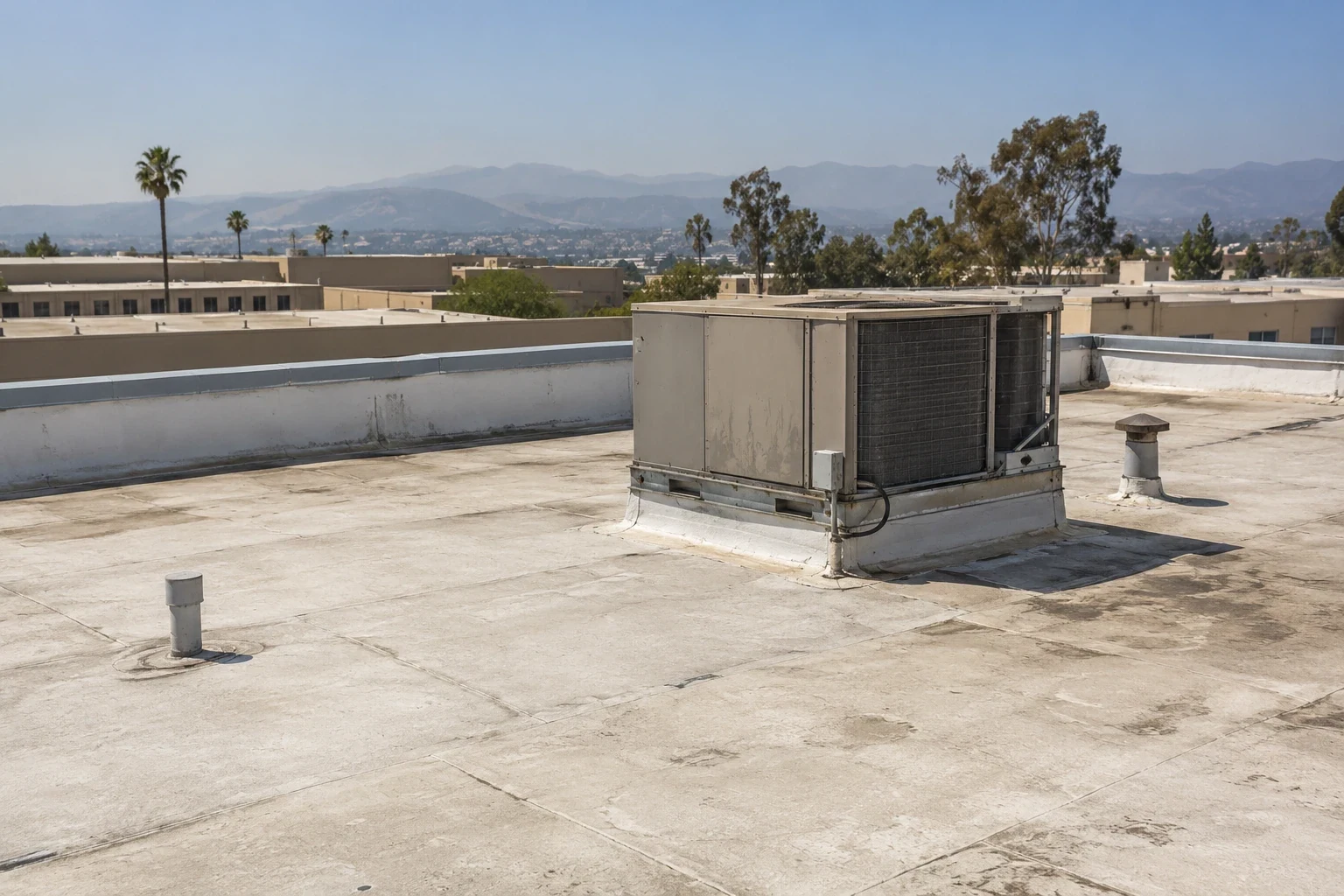
Army Installation Roofing in Huntington Beach, CA
An approaching training period can leave only a short window for closing an Army facility roof. We begin by matching the affected building to the operating calendar, checking the reported condition, and setting a protection step that fits the authorized access. Roofing services for Huntington Beach, CA include inspection, local repair, restoration, and replacement of low-slope and metal assemblies. At a military installation, the approved work zone and the activity below it determine how the crew can proceed.
Joint Forces Training Base Los Alamitos supports California National Guard components and other Department of Defense users. Its billeting, logistics, shipping and receiving, public works, and facility-maintenance functions create different roof priorities. A receiving building may need a clear delivery lane while billeting needs quiet interior protection. We identify the function involved in the work order and compare it with the roof layout before deciding how much work belongs in one phase.
Which training and support functions set the sequence?
A roof phase can affect rooms beyond its footprint through shared entrances, mechanical equipment, or delivery routes. The installation contact identifies the training spaces, support functions, and movements that must remain available. We place staging and material handling outside those routes and agree on the daily release time. A shift plan should include setup and closure as well as productive installation time, particularly where an escort or gate procedure limits entry.
JFTB is also the headquarters location of the Army Reserve's 79th Theater Sustainment Command. Its command function illustrates why an Army roof scope may concern office continuity instead of vehicle or aviation activity. We distinguish those needs during the inspection. Roof work for public administration buildings involves occupied workspaces, while military storage and logistics roofing requires attention to stock movement and receiving. Those are separate operating decisions within the same installation portfolio.
What can interrupt the building during winter rain?
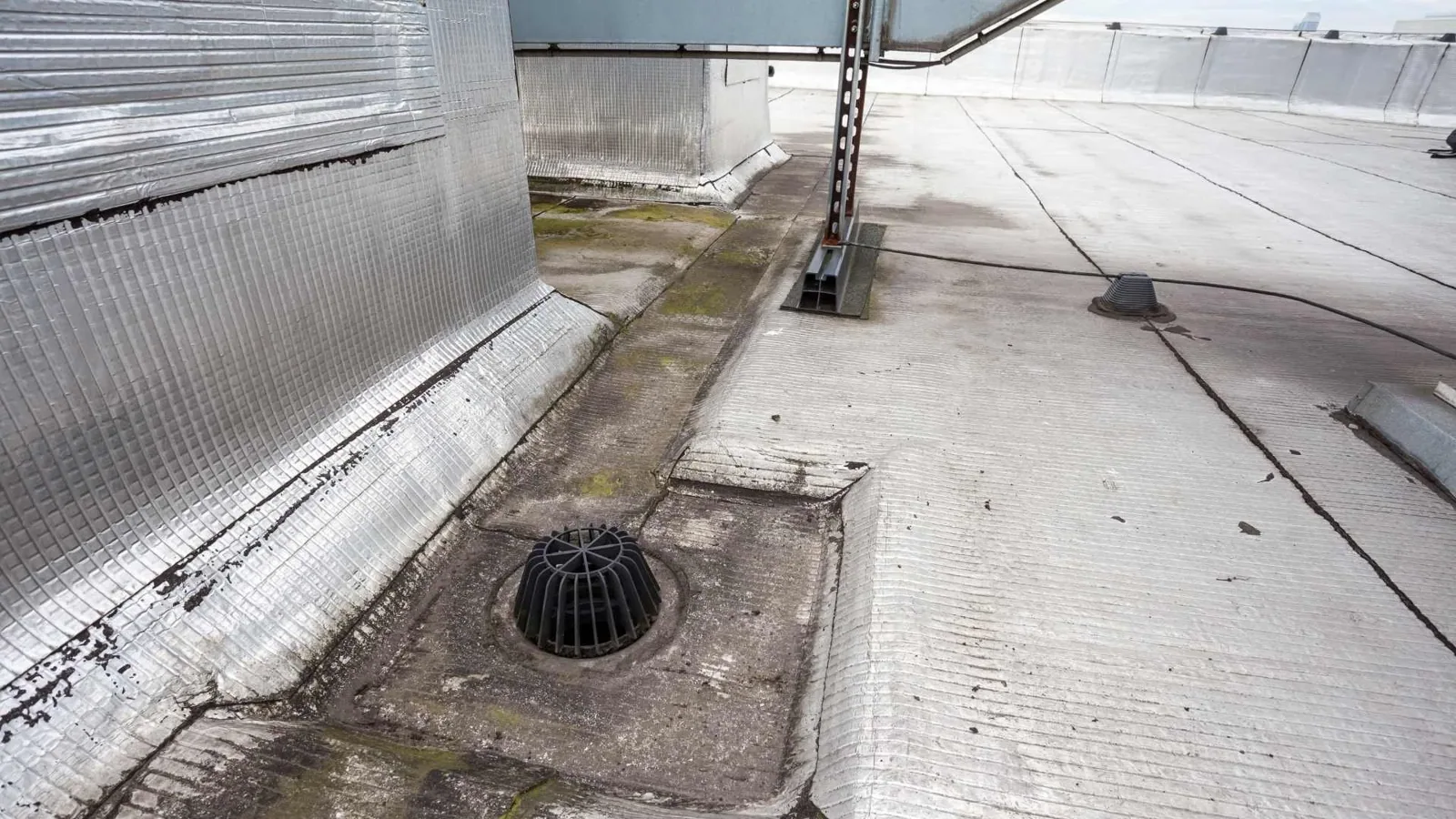
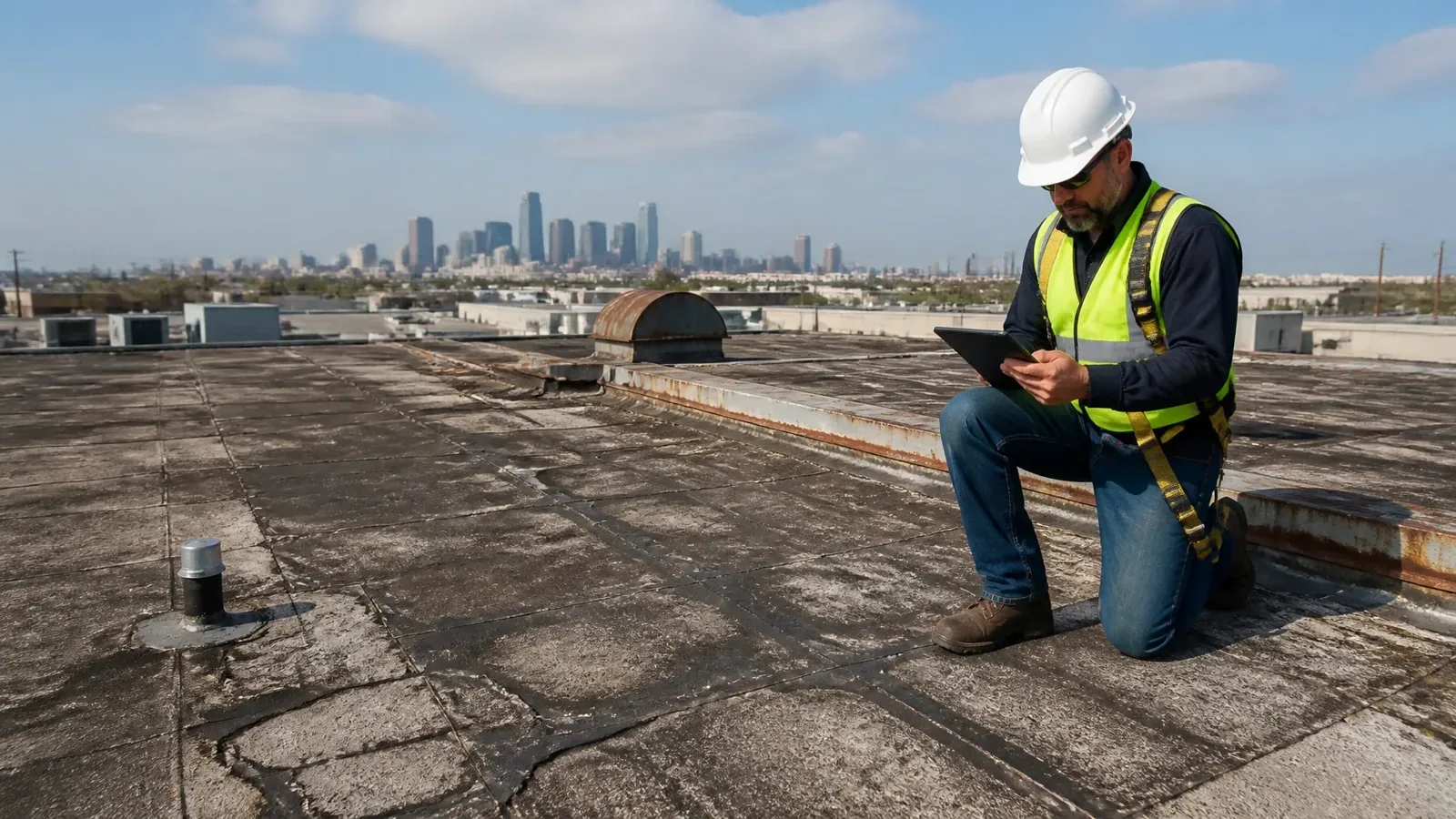
Debris at an outlet, a separated curb flashing, or an open membrane lap can each admit water through a different route. We examine the roof from the reported interior area toward nearby high points, walls, and drainage outlets. The investigation records ponding marks and displaced protection pads along with obvious openings. Water retained by a raised patch needs attention to the drainage geometry, not just more material applied over the surface.
Nearby Newport Beach Harbor records most normal rain in cooler months, with very low summer totals. That pattern supports checking drainage before winter work schedules become crowded. It does not replace a current forecast or a field measurement of roof slope. A drain and scupper service can address an obstructed outlet and damaged drain detail, while a broader low area may require tapered insulation or another designed drainage correction. We show which condition changes the proposed scope.
How do we establish the removal boundary?
Soft insulation beneath an apparently small split can extend the repair beyond what is visible. We review available assembly records, check accessible seams and flashings, and identify permitted testing locations. A limited opening can establish layer count, moisture, and substrate condition where that information changes the repair. The opening is resealed or protected during the same visit under an agreed procedure, rather than left as an unplanned exposure.
Army work may be governed by Unified Facilities Criteria and contract-specific assembly requirements. We compare field findings with the specified deck, securement, insulation, fire requirements, and perimeter details. A conflict between the drawing and the existing roof goes to the responsible reviewer with photographs and the practical repair implication. We keep the authorized repair extent clear while that decision is pending, including any temporary cover that requires a return check.
Which intervention will meet the building need?
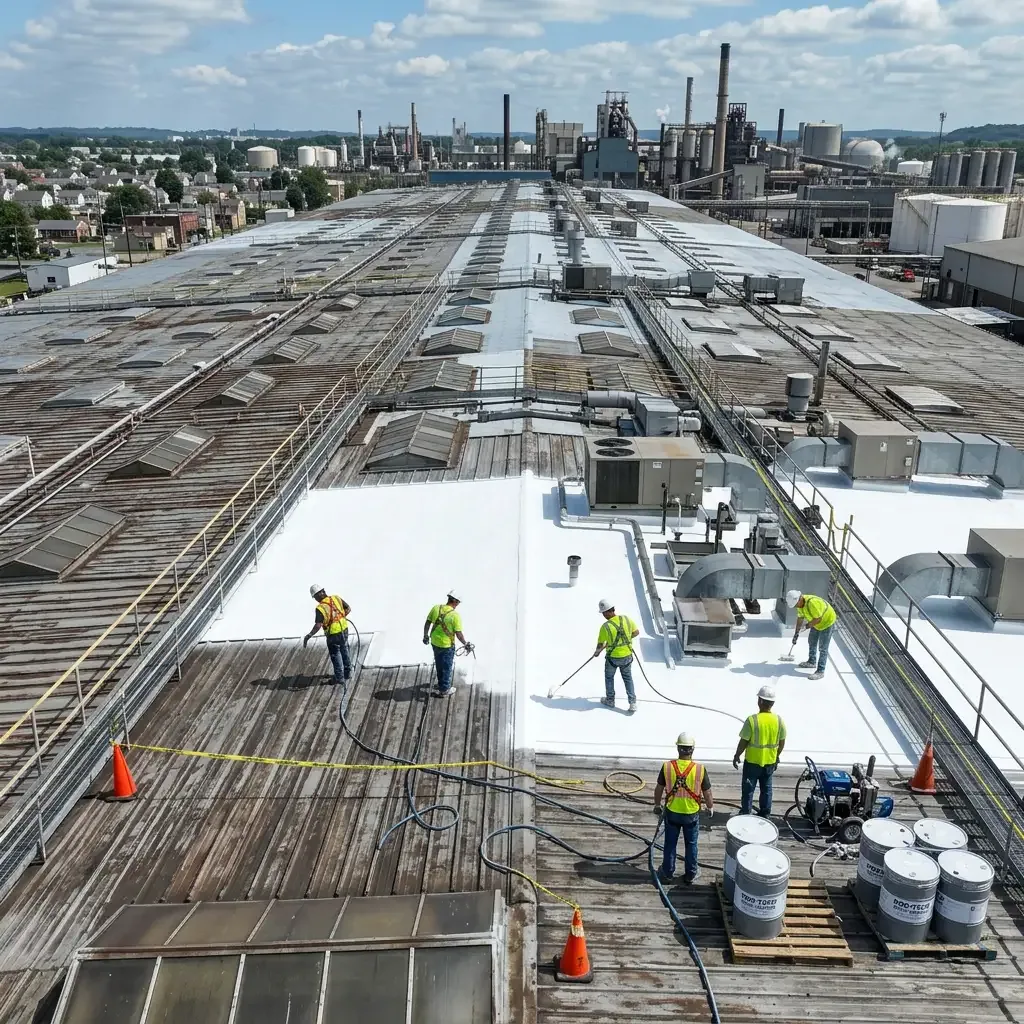
A repair is useful when it reconnects a failed detail to stable surrounding roofing. The scope describes preparation, removal of damaged material, compatible flashing, and the tie-in to sound membrane. Restoration needs a roof that can support preparation and the specified coating; concealed wet layers or loose attachment require separate correction. We compare those choices against the observed defect and the building's operating window, not simply the surface area that is convenient to reach.
A recover may be possible after reviewing existing layers, retained moisture, deck capacity information, attachment, drainage, and added roof height. Full removal offers access to underlying damage but increases exposure and material handling. For either approach, the insulation and cover-board detail must work with the deck and attachment method. We explain how each choice affects the daily closure area, disposal route, equipment coordination, and inspection stages.
Price and timing depend on access constraints, removal depth, test results, repair quantities, and approved materials. An escort requirement or restricted unloading interval can change the sequence even when the roof is straightforward. The proposal separates known work from conditions needing a later decision so the facility contact can evaluate a comparable scope.
How much roof can be opened before the next activity?
A dry-in boundary must be completed before the work window ends. We size the phase according to deck exposure, insulation replacement, flashing complexity, crew access, and expected weather. The end of the day includes sealing the temporary termination and checking the route to drains. An open area that cannot be closed safely is reduced, even if that means another mobilization for the next section.
Santa Ana winds can bring hotter, drier offshore weather and complicate the handling of loose materials. The forecast and conditions at the roof govern lifts, temporary covers, and surface preparation. General logistics in Garden Grove include industrial activity along Knott Street and Western Avenue; military deliveries still follow their own authorized entry and staging instructions. We confirm both the regional arrival route and the installation's approved unloading location before sending material.
What closes the roof phase for the facility contact?
Completion photographs should show the repaired detail in relation to an identifiable roof feature, subject to installation photography rules. We record installed materials, approved changes, drainage checks, and any follow-up observation. A roof condition handoff ties that information to the affected building so the next maintenance visit can find the same area without repeating the investigation.
For larger work, roof capital planning separates immediate protection, limited repair, and the later assembly renewal. That distinction helps the installation coordinate roofing with training and support schedules. Urgent roof response remains available outside normal office hours, including holidays, once access is arranged. Send the building identifier and current interior condition early enough for the dispatch plan to include safe entry, protection, and a workable inspection boundary.
Commercial Roofing Questions
Can a short gap between training periods support a permanent repair?
The defect and closure detail decide what fits. We inspect the failed area, confirm material availability and access time, and calculate preparation and sealing time before proposing permanent work. A larger wet assembly may need temporary protection followed by a separately scheduled removal phase.
What changes if a shipping route runs under the roof work?
Delivery movement must be coordinated with the installation contact. We relocate staging or restrict overhead work during active receiving, identify a safe debris path, and confirm when the route can reopen. The roof schedule includes those intervals rather than treating the loading area as spare space.
Will a recover remove the need to investigate wet insulation?
Retained moisture remains a repair issue beneath a new surface. We establish moisture extent and attachment condition before evaluating a recover, then include the necessary removal and restoration of damaged areas in the proposed assembly.
How do we track a temporary repair across a schedule change?
A marked roof diagram and closure photograph identify the interim detail. We record its condition, inspection responsibility, and next action, then arrange a return check if weather or operations delay the permanent repair.


Proudly Serving Huntington Beach and Nearby Cities
Commercial Roofers Huntington Beach
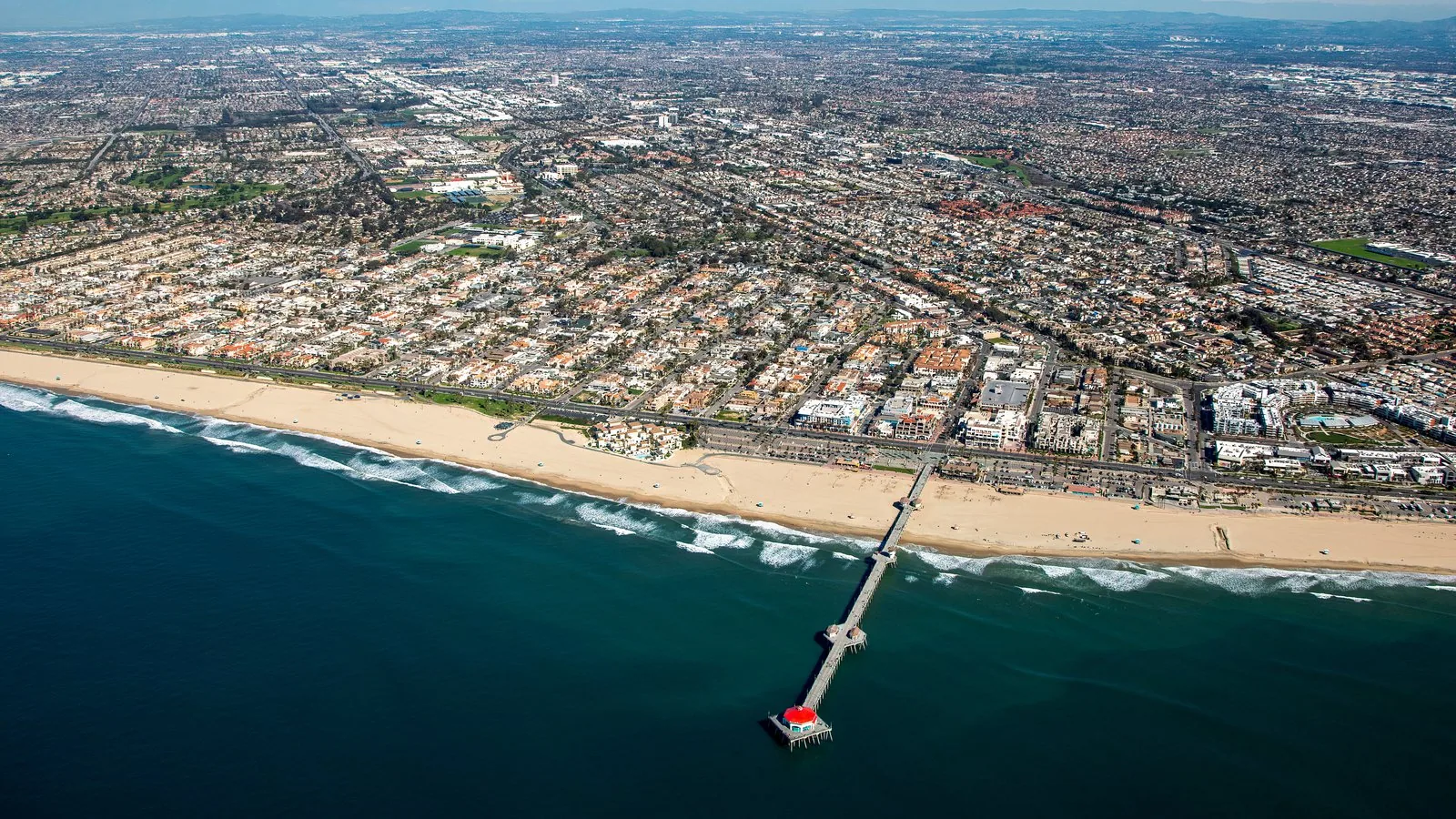
Huntington Beach, Westminster, Seal Beach, Fountain Valley,
Garden Grove, Newport Beach and nearby Orange County cities